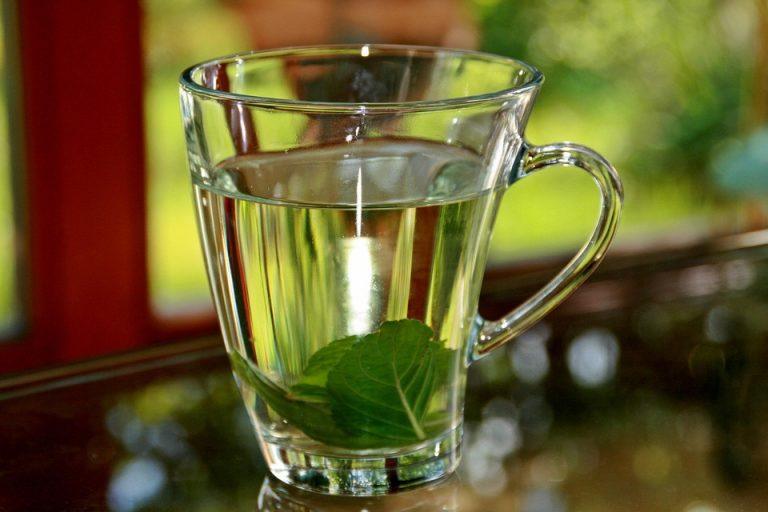
Digestive health is often overlooked in our fast-paced lives, yet it serves as the cornerstone of overall wellness. I remember a time when I struggled with bloating and irregularity, often dismissing it as a minor inconvenience. It wasn’t until I explored Ayurvedic practices that I began to understand the profound connection between digestion and overall health. Ayurveda, the ancient system of medicine from India, offers holistic insights that can help us nourish our digestive health naturally.
Contents
- Understanding Ayurveda and Digestion
- Common Ayurvedic Remedies for Digestive Health
- The Importance of Mindful Eating
- Incorporating Digestive Herbs
- Addressing Common Digestive Issues
- Seasonal Eating and Its Impact on Digestion
- The Role of Lifestyle in Digestive Health
- The Science Behind Ayurveda
- Cautions and Considerations
- FAQs
- Reflecting on Ayurvedic Wisdom
- References
Understanding Ayurveda and Digestion
Ayurveda, which translates to “science of life,” is a holistic approach that considers the balance of mind, body, and spirit. Central to this philosophy is the concept of Agni, or digestive fire. In Ayurveda, a strong Agni is crucial for optimal digestion and nutrient absorption. When Agni is weak, it can lead to a host of issues, including indigestion, bloating, and even emotional disturbances.
The Doshas and Their Role in Digestion
Ayurveda categorizes individuals into three primary doshas: Vata, Pitta, and Kapha. Each dosha has unique characteristics and influences digestion in different ways:
- Vata: Associated with air and space, Vata types may experience irregular digestion, often leading to gas and constipation.
- Pitta: Linked to fire and water, Pitta types often have strong digestion but can suffer from acidity and inflammation.
- Kapha: Grounded in earth and water, Kapha types may experience sluggish digestion and weight gain.
Understanding your dosha can provide insights into your digestive tendencies and help tailor Ayurvedic remedies for gut health.
Common Ayurvedic Remedies for Digestive Health
Here are some Ayurvedic remedies that can help you nourish your digestive health:
1. Warm Water with Lemon
Starting your day with warm water and lemon can stimulate digestion and balance your pH levels. This simple practice is particularly beneficial for Pitta types who may need to cool down their digestive fire.
Practical Tip: Add a teaspoon of honey for additional benefits, especially if you have a Kapha constitution.
2. Ginger Tea
Ginger is a well-known digestive aid in Ayurveda. It stimulates digestive enzymes, reduces bloating, and can even alleviate nausea.
Personal Reflection: I’ve noticed that sipping ginger tea before meals can enhance my appetite and make my digestion feel smoother.
Preparation: Simply steep fresh ginger slices in boiling water for about 10 minutes. For added flavor, include a pinch of black pepper.
3. Triphala
Triphala, a blend of three fruits—Amla, Haritaki, and Bibhitaki—is a powerful Ayurvedic formulation for digestive health. It promotes regularity and detoxification.
Common Mistake: Some people take too much Triphala, leading to unwanted digestive upset. It’s best to start with half a teaspoon and gradually increase based on your body’s response.
4. Cumin and Coriander Seeds
Both cumin and coriander help balance the digestive system. They are particularly effective for Vata types, who may struggle with gas and irregular digestion.
How to Use: Toast equal parts of cumin and coriander seeds, then grind them into a powder. This can be sprinkled on meals for added flavor and digestive benefits.
The Importance of Mindful Eating
In Ayurveda, the act of eating goes beyond just nutrition. It’s about creating a mindful experience.
Observational Story: I once attended a dinner where everyone was so engrossed in conversation that the food was almost an afterthought. The result? Several guests experienced indigestion later that evening.
Practicing mindful eating involves:
- Chewing food thoroughly to aid digestion.
- Eating in a calm environment to reduce stress.
- Listening to your body’s hunger cues.
Incorporating Digestive Herbs
Several herbs are known for their digestive properties in Ayurveda. Here are a few to consider:
1. Fennel Seeds
Fennel is often consumed after meals in Indian culture to aid digestion and freshen breath.
Practical Application: Chewing on a teaspoon of fennel seeds can help you feel lighter after a heavy meal and is especially good for Kapha individuals.
2. Turmeric
Known for its anti-inflammatory properties, turmeric can soothe the digestive tract and support liver health.
Caveat: While turmeric is beneficial, it can cause irritation in some people if consumed in large quantities. A pinch is often sufficient.
Addressing Common Digestive Issues
Many individuals struggle with digestive issues, and Ayurveda offers insights into their root causes.
Bloating and Gas
Bloating and gas are often a result of improper food combinations or eating habits.
Insight: I’ve learned that combining fruits with other foods can lead to bloating. Ayurveda suggests eating fruits alone for optimal digestion.
Constipation
Constipation can be a sign of weak Agni, particularly in Vata types.
Solution: Incorporating warm, cooked foods and healthy fats, like ghee, can help promote regularity.
Seasonal Eating and Its Impact on Digestion
In Ayurveda, seasonal eating is crucial for maintaining balance.
- Winter: Hearty, warming foods like soups and stews are beneficial.
- Summer: Light, cooling foods like salads and fruits can help reduce Pitta-related issues.
Personal Note: I’ve noticed that adjusting my diet according to the seasons not only improves my digestion but also enhances my energy levels.
The Role of Lifestyle in Digestive Health
Ayurveda emphasizes the importance of lifestyle in maintaining digestive health.
Sleep and Stress
Poor sleep and high-stress levels can lead to digestive disturbances. Practices like yoga and meditation can help manage stress, which in turn supports digestion.
Real-Life Example: After integrating a brief meditation session into my morning routine, I noticed a significant reduction in my digestive discomfort throughout the day.
The Science Behind Ayurveda
While Ayurveda is steeped in tradition, modern science is beginning to explore its efficacy.
Peer-Reviewed Studies:
- A study published in the Journal of Ethnopharmacology suggests that Ayurvedic herbs like Triphala can support gut health and regularity (https://www.sciencedirect.com/science/article/abs/pii/S0378874113000534).
- Research in Evidence-Based Complementary and Alternative Medicine highlights the benefits of ginger for digestive health, reinforcing traditional Ayurvedic wisdom (https://www.hindawi.com/journals/ecam/2015/869314/).
Cautions and Considerations
While Ayurvedic practices can be beneficial, they are not a one-size-fits-all solution.
Caveat: Some individuals may experience adverse reactions to certain herbs or practices. Always consult a healthcare provider before making significant changes to your routine.
FAQs
Q: Can Ayurveda help with chronic digestive disorders?
A: Yes, many people find relief from chronic digestive issues through Ayurvedic practices, but it’s essential to work with a qualified practitioner.
Q: How do I determine my dosha?
A: You can take online quizzes or consult with an Ayurvedic practitioner for a comprehensive assessment.
Q: Are there any side effects of Ayurvedic remedies?
A: While many remedies are safe, some can cause allergic reactions or interact with medications. Always consult a healthcare professional.
Reflecting on Ayurvedic Wisdom
As I continue my journey into Ayurvedic practices, I’m constantly reminded of the intricate relationship between digestion and overall health. Ayurveda encourages a holistic approach, blending diet, lifestyle, and mindfulness to create a well-rounded strategy for digestive health.
While modern medicine has its place, the wisdom of Ayurveda offers a compelling alternative that respects the complexity of the human body. It’s not just about what we eat but how we eat, how we live, and how we connect with our bodies.
This article is for educational purposes only and does not replace professional medical guidance. Always speak with a qualified healthcare provider before making changes to your health routine.
References
- Triphala: A Review of its Health Benefits. Journal of Ethnopharmacology. Link.
- Ginger: A Comprehensive Review of its Efficacy. Evidence-Based Complementary and Alternative Medicine. Link.
- The Role of Ayurvedic Practices in Modern Health. Cleveland Clinic. Link.
Get Your FREE Natural Health Guide!
Subscribe now and receive our exclusive ebook packed with natural health tips, practical wellness advice, and easy lifestyle changes, delivered straight to your inbox.