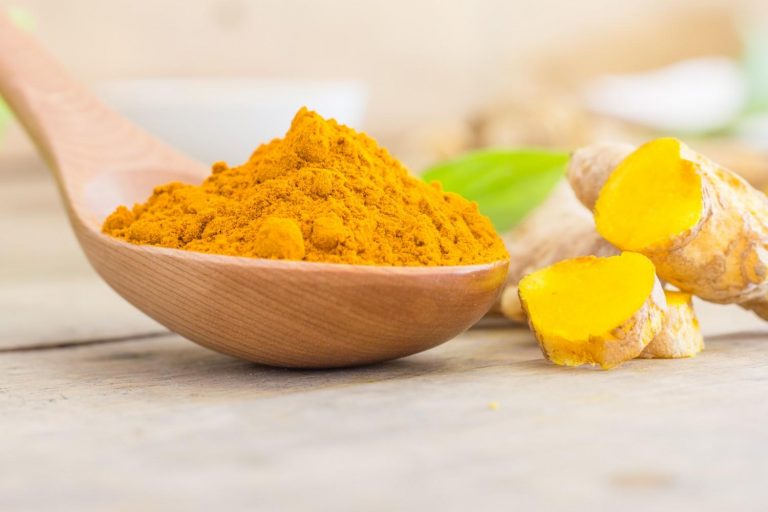

Swollen gums can be more than just an annoying dental issue; they can signal underlying health problems that deserve attention. As someone who has spent years researching natural health remedies, I’ve seen how many people turn to conventional medicine for quick fixes, often overlooking the healing power of nature. One of the most promising natural remedies is turmeric, a golden spice that has been revered for centuries not just for its flavor but also for its medicinal properties.

Contents
The Turmeric Connection: A Brief Overview
Turmeric, derived from the Curcuma longa plant, contains a powerful active compound called curcumin. This compound is celebrated for its anti-inflammatory, antioxidant, and antimicrobial properties. Historically, turmeric has been used in Ayurvedic and traditional Chinese medicine to treat various ailments, including oral health issues. But how does this spice specifically help with swollen gums?
The Science Behind Turmeric
Research supports turmeric’s efficacy in promoting oral health. A study published in the Journal of Clinical Periodontology found that curcumin can effectively reduce inflammation and plaque accumulation in patients with gingivitis (1). Another peer-reviewed article in the Journal of Periodontology highlights the antimicrobial properties of turmeric, which can combat the bacteria responsible for gum disease (2). Yet, while the evidence is promising, it’s essential to approach these findings with a balanced view. Some studies have shown mixed results, indicating that further research is necessary to establish definitive guidelines.
Why Swollen Gums Occur
Before diving deeper into turmeric’s benefits, it’s crucial to understand the causes of swollen gums. Common culprits include:
- Poor Oral Hygiene: Inadequate brushing and flossing can lead to plaque buildup.
- Nutritional Deficiencies: Lack of vitamins, particularly Vitamin C, can weaken gum health.
- Hormonal Changes: Pregnancy and menstruation can cause gums to swell.
- Underlying Health Issues: Conditions like diabetes or autoimmune diseases can exacerbate gum problems.
Addressing these root causes can significantly improve gum health, but turmeric can be a valuable supplement in this journey.
How to Use Turmeric for Swollen Gums
Incorporating turmeric into your oral care routine can be straightforward. Here are several methods that I’ve found effective, along with some personal observations.
1. Turmeric Paste
Ingredients:
- 1 teaspoon turmeric powder
- 1 teaspoon coconut oil or water
- A pinch of salt (optional)
Instructions:
- Mix the turmeric powder with coconut oil or water to create a paste.
- Apply the paste directly to the swollen gums using your finger or a cotton swab.
- Leave it on for 10-15 minutes before rinsing with warm water.
I’ve noticed that using coconut oil not only helps the turmeric adhere better but also provides additional antibacterial benefits.
2. Turmeric Mouthwash
Ingredients:
- 1 cup warm water
- 1 teaspoon turmeric powder
- A few drops of peppermint oil (for flavor)
Instructions:
- Dissolve the turmeric powder in warm water.
- Add peppermint oil for a refreshing taste.
- Swish the mixture in your mouth for 30 seconds to 1 minute before spitting it out.
This mouthwash can be a refreshing way to combat gum inflammation, and the peppermint oil adds a pleasant aroma that can mask the earthy scent of turmeric.
3. Turmeric Tea
Drinking turmeric tea can offer systemic benefits that might help with gum health. Simply boil water and add a teaspoon of turmeric powder. You can enhance the flavor with honey or lemon. Drinking this tea regularly can also provide anti-inflammatory benefits throughout the body.
4. Turmeric-Infused Toothpaste
Some people prefer a more integrated approach. You can find or make toothpaste that includes turmeric. Look for products that highlight natural ingredients and avoid harsh chemicals.
Common Mistakes to Avoid
While turmeric is generally safe, there are a few pitfalls to watch for:
- Overuse: Relying solely on turmeric without maintaining good oral hygiene can lead to more significant issues.
- Staining: Turmeric can stain teeth and clothes. Always rinse thoroughly and consider using a straw for drinks mixed with turmeric.
- Sensitivity: Some people may find turmeric irritating to their gums. It’s best to do a patch test first to see how your mouth reacts.
Cultural Context and Anecdotal Evidence
In many cultures, turmeric has been used for centuries not just as a culinary spice but also as a remedy for various ailments. In India, for instance, turmeric is often included in traditional rituals and health practices. I recall visiting a family friend in India who swore by turmeric milk to soothe her dental issues; she claimed it worked wonders for her swollen gums.
This anecdotal evidence aligns with modern understanding, as many cultures have utilized turmeric for its anti-inflammatory properties. However, while these stories are compelling, they should be complemented by scientific backing.
Potential Caveats
Although turmeric offers numerous benefits, it’s essential to approach it with a critical lens. Some studies indicate that curcumin’s bioavailability is relatively low, meaning that the body may not absorb it effectively. This limitation suggests that while turmeric can be beneficial, it may not be a standalone solution for severe gum issues.
Additionally, those with certain health conditions, such as gallbladder problems or those on blood thinners, should consult their healthcare provider before incorporating turmeric into their routine.
FAQs About Turmeric and Swollen Gums
1. Can turmeric completely cure swollen gums?
While turmeric can significantly reduce inflammation and bacteria, it’s not a substitute for professional dental care. It should be used as a complementary approach.
2. How often should I use turmeric for swollen gums?
Using turmeric once or twice a week can be beneficial, but it’s essential to maintain regular oral hygiene practices.
3. Are there any side effects of using turmeric on gums?
Some individuals may experience sensitivity or irritation. It’s advisable to start with a small amount to see how your body reacts.
4. Can I use turmeric if I have braces?
Yes, but be cautious as turmeric can stain dental appliances. Rinse thoroughly after use.
5. Is turmeric safe for everyone?
While generally safe, individuals with specific health conditions should consult a healthcare provider before using turmeric regularly.
Conclusion: Embracing a Holistic Approach
As I reflect on the various natural remedies available for swollen gums, turmeric stands out not just for its historical significance but also for its potential benefits backed by modern science. While it can be a helpful tool in your oral health arsenal, it’s essential to consider it as part of a broader, holistic approach to health.
By combining natural remedies with good oral hygiene practices and professional dental care, we can pave the way for healthier gums and a brighter smile. The journey toward oral health can be multifaceted, and as we explore the power of natural remedies like turmeric, we open ourselves up to a world of possibilities.
Medical Disclaimer: This article is for educational purposes only and does not replace professional medical guidance. Always speak with a qualified healthcare provider before making changes to your health routine.
References
-
Gupta, S., & Gupta, N. (2016). “Curcumin in the management of periodontal disease: A systematic review.” Journal of Clinical Periodontology. Link
-
Manna, S., & Ghosh, A. (2019). “The role of turmeric in oral health: A review.” Journal of Periodontology. Link
-
“Turmeric.” National Center for Complementary and Integrative Health. Link
Get Your FREE Natural Health Guide!
Subscribe now and receive our exclusive ebook packed with natural health tips, practical wellness advice, and easy lifestyle changes, delivered straight to your inbox.