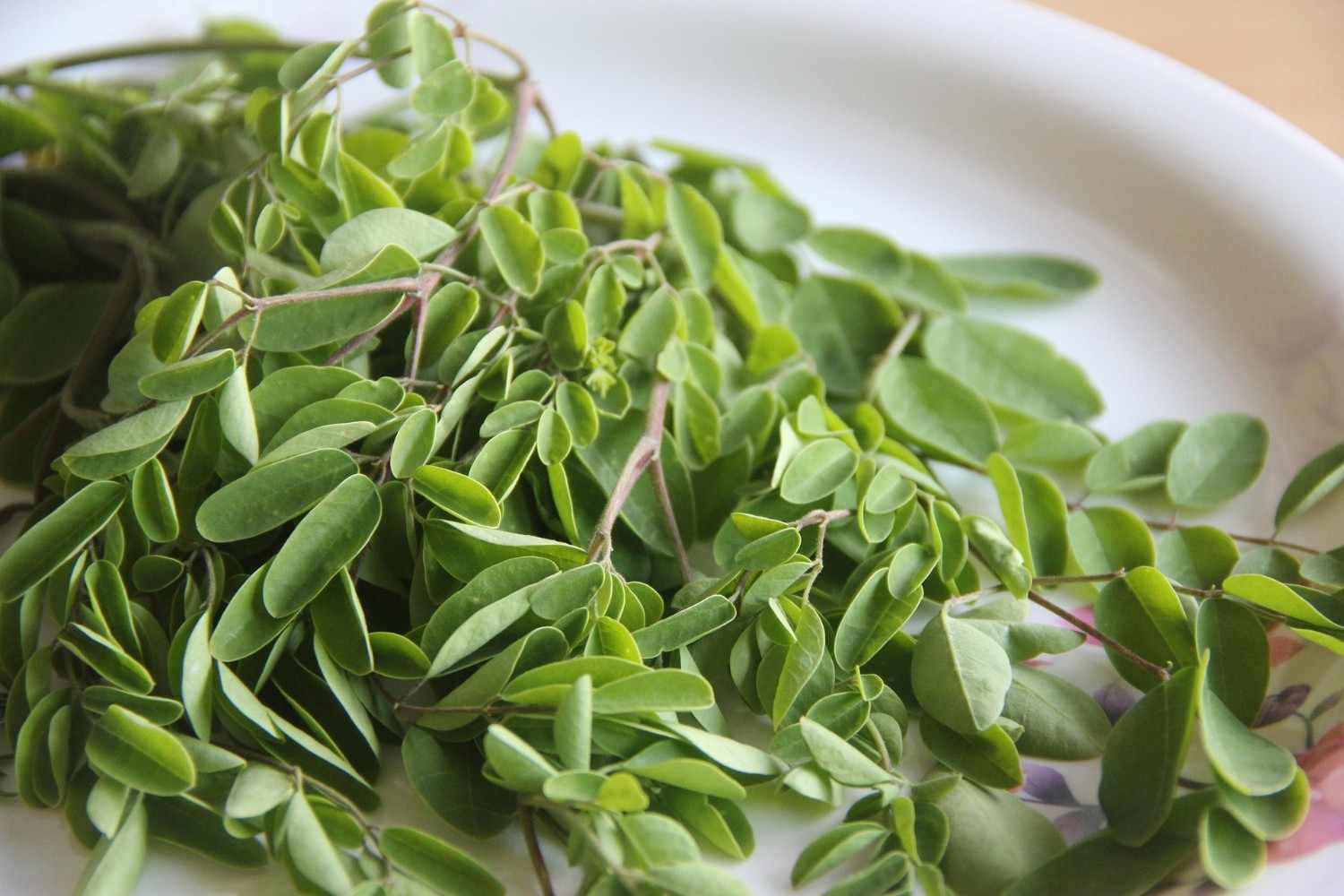

Moringa leaves have garnered attention in recent years for their potential health benefits, particularly in regulating blood sugar levels. With the rise of diabetes and metabolic disorders, many people seek natural alternatives to manage their condition. Conventional treatments often come with side effects, leading individuals to explore herbal solutions. Moringa, often referred to as the “miracle tree,” offers a promising avenue for those looking to balance their blood sugar naturally.
The leaves of the Moringa tree are packed with essential nutrients, antioxidants, and bioactive compounds that contribute to their health-promoting properties. This plant is native to parts of Africa and Asia and has been used in traditional medicine for centuries. Its rich composition includes vitamins, minerals, and amino acids, which play a significant role in overall wellness. The potential of Moringa leaves in maintaining healthy blood sugar levels is an area of growing interest in both scientific and health communities.
Understanding how to incorporate Moringa leaves into your daily routine can be a game-changer for those looking to improve their metabolic health. The versatility of Moringa allows it to be consumed in various forms, from fresh leaves to powdered supplements. This flexibility makes it easier for individuals to find a method that suits their lifestyle while reaping the health benefits.
As you delve into the world of Moringa leaves, it is essential to approach this natural remedy with knowledge and intention. This guide aims to provide practical applications, scientific backing, and insights into making Moringa a part of your wellness journey, particularly for blood sugar management.
Contents
How to Use Moringa Leaves for Real Results
- Best Form: Moringa powder or fresh leaves.
- Best Time: Morning or before meals.
- Expected Result: Stabilized blood sugar levels and improved energy.
Daily Nutritional Boost
The Prep: Gather fresh Moringa leaves, a blender, and your choice of liquid, such as water or almond milk. You may also want to add fruits like bananas or spinach for added nutrients. Ensure the leaves are thoroughly washed to remove any impurities before use.
The Action: Place the washed Moringa leaves into the blender with your chosen liquid. Blend until smooth, adjusting the consistency to your preference. Pour the mixture into a glass and enjoy it as a morning smoothie or a mid-afternoon snack.
The Feeling: Upon consumption, you may experience a refreshing sensation with a slight earthy taste. The energy boost from the smoothie typically lasts several hours, leaving you feeling invigorated and focused.
Pro Tip: Consider adding a scoop of protein powder to your smoothie for an extra nutritional punch.
Pre-Meal Tonic
The Prep: Take 1-2 teaspoons of Moringa powder and mix it with a glass of warm water. You might also add a squeeze of lemon for flavor and extra vitamin C. Prepare this tonic about 15 minutes before your main meals.
The Action: Stir the Moringa powder into the warm water until fully dissolved. Drink this tonic slowly, allowing the nutrients to absorb into your system before your meal.
The Feeling: You may notice a mild warming sensation as the tonic works its magic. This drink can help curb appetite and stabilize blood sugar levels, making it easier to avoid unhealthy cravings.
Pro Tip: Consistency is key. Make this tonic a daily ritual for optimal results.
Evening Relaxation Tea
The Prep: For this calming drink, you will need dried Moringa leaves, hot water, and optional herbs like chamomile or mint. Gather a teapot or infuser for brewing.
The Action: Place a teaspoon of dried Moringa leaves into the teapot. Pour hot water over the leaves and let it steep for about 5-7 minutes. Strain the leaves and enjoy the tea warm, optionally sweetened with honey.
The Feeling: Drinking this tea can bring a sense of calmness and relaxation. Many find that it helps to wind down after a long day, potentially aiding in better sleep and recovery.
Pro Tip: Enjoy this tea about an hour before bedtime for the best calming effects.
Avoiding Common Pitfalls in Moringa Use
Choosing Low-Quality Sources
Using low-quality Moringa can significantly diminish the potential health benefits. Moringa leaves should be sourced from reputable suppliers to ensure that they are free from contaminants and retain their nutritional value. Always check for certifications or third-party testing to validate the quality.
When using low-quality Moringa, you may not experience the desired effects on blood sugar balance. This can lead to frustration and a lack of trust in natural remedies. Opting for higher-quality sources ensures you’re receiving potent nutrients and antioxidants that contribute to overall well-being.
Neglecting Dosage Guidelines
Another common mistake involves not adhering to recommended dosages. Moringa is powerful, and consuming it in excess can lead to adverse effects. It’s crucial to start with small amounts and gradually increase as needed, monitoring how your body responds.
Ignoring dosage guidelines can result in digestive issues or other side effects. Implementing a careful approach allows you to reap the benefits without overwhelming your system. Consult with a healthcare provider for personalized advice regarding dosage.
Inconsistent Use
Inconsistency in taking Moringa can hinder its effectiveness. Many people may begin with enthusiasm but fail to integrate it into their daily routine. Establishing a consistent regimen is essential to experience the full spectrum of benefits.
Lack of consistency can lead to fluctuations in blood sugar levels and missed opportunities for improvement. Make a plan to incorporate Moringa into your daily life, whether through smoothies, teas, or supplements. This commitment can significantly impact your overall health.
Understanding the Mechanism of Moringa
Moringa leaves contain a unique blend of bioactive compounds that contribute to their health benefits. These include vitamins, minerals, and antioxidants, which work synergistically to promote metabolic health. The leaves are particularly rich in polyphenols, which have been shown to exert positive effects on glucose metabolism.
One key compound in Moringa leaves is chlorogenic acid. This antioxidant has been linked to improved insulin sensitivity and reduced blood sugar spikes. By inhibiting enzymes that break down carbohydrates, chlorogenic acid helps regulate glucose absorption in the bloodstream, making it a valuable ally for blood sugar management.
Clinical studies have begun to validate the health claims surrounding Moringa. For instance, research has demonstrated its potential to lower fasting blood sugar levels in individuals with diabetes. For a detailed review of the scientific literature on Moringa and blood sugar, refer to this PubMed search.
Choosing the Right Moringa Product
– **Potency:** Look for products that specify the concentration of active compounds. Higher potency often means more effective results in managing blood sugar levels.
– **Purity:** Choose products that are free from fillers, additives, and contaminants. Purity ensures that you receive the full health benefits without unwanted substances.
– **Form:** Moringa is available in various forms, including powder, capsules, and teas. Select a form that fits your lifestyle and preferences for regular consumption.
Benefits vs Risks
| The Benefits | Potential Downsides |
|---|---|
| Rich in vitamins and minerals that support overall health. | Possible digestive discomfort if consumed in excess. |
| May help stabilize blood sugar levels. | Interactions with certain medications, particularly blood thinners. |
| Antioxidant properties may protect against oxidative stress. | Not suitable for pregnant or breastfeeding women without medical advice. |
Habits to Enhance Moringa Benefits
Incorporating regular physical activity into your routine can enhance the benefits of Moringa. Exercise helps improve insulin sensitivity and supports metabolic health, making it a powerful complement to taking Moringa.
Mindfulness practices, such as meditation or yoga, can also support blood sugar balance. Stress can negatively impact blood sugar levels, and engaging in relaxation techniques can help mitigate these effects, creating a holistic approach to wellness.
Who Should Avoid This?
– Pregnant or breastfeeding women without consulting healthcare providers.
– Individuals on anticoagulant medications due to potential interactions.
– Those with allergies to plants in the Moringaceae family should exercise caution.
– People with existing medical conditions should consult their healthcare provider before adding Moringa to their regimen.
Common Questions
Can Moringa leaves replace my diabetes medication?
Moringa can be a supportive addition but should not replace prescribed medications without consulting a healthcare professional.
How often should I consume Moringa for best results?
Daily consumption is generally recommended, but individual needs may vary. Start with small amounts and adjust based on your body’s response.
Are there any side effects of taking Moringa?
Some people may experience digestive upset, especially with high doses. It is best to start with a lower dosage and increase gradually.
Is Moringa safe for children?
While Moringa is generally considered safe, it’s advisable to consult a pediatrician before introducing it to children’s diets.
The Bottom Line
Moringa leaves offer a natural way to support blood sugar balance and overall wellness.
- The Truth: More research is needed to fully understand its effects.
- The Strategy: Incorporate Moringa into your daily routine for optimal results.
- The Next Step: Explore ways to combine Moringa with other healthy habits.
Get Your FREE Natural Health Guide!
Subscribe now and receive our exclusive ebook packed with natural health tips, practical wellness advice, and easy lifestyle changes, delivered straight to your inbox.