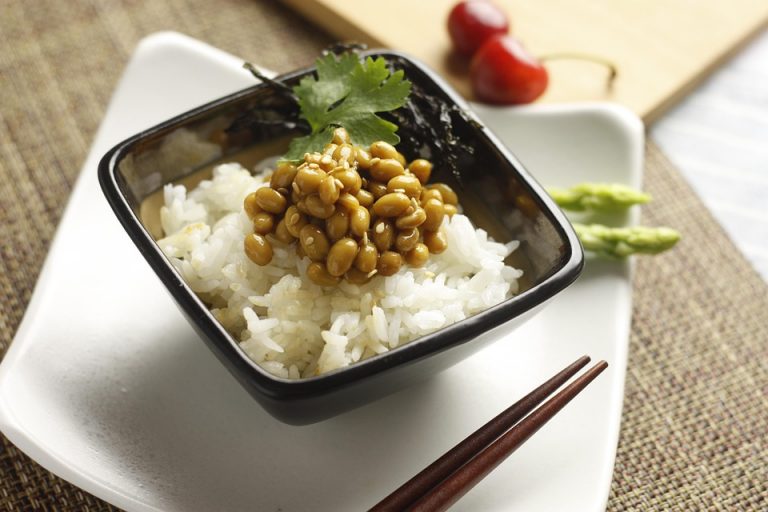

Miso, a traditional Japanese fermented soybean paste, has garnered attention in recent years for its potential health benefits, particularly in the context of aging. As people age, they often face challenges such as inflammation, weakened immunity, and digestive issues. These challenges can significantly impact overall quality of life. The quest for natural solutions to support healthy aging has led many to explore dietary options that can enhance well-being. Miso, rich in nutrients and beneficial compounds, stands out as a viable candidate.

The fermentation process involved in creating miso not only contributes to its unique flavor but also enhances its nutritional profile. It contains probiotics, which can support gut health, an essential aspect of aging gracefully. Furthermore, miso is packed with amino acids, vitamins, and minerals that play crucial roles in bodily functions. Incorporating miso into daily meals could provide a delicious and nourishing way to combat some of the common issues associated with aging.
Research indicates that the components of miso may have anti-inflammatory effects, potentially reducing the risk of chronic diseases often associated with aging. Additionally, its rich content of antioxidants can help neutralize harmful free radicals in the body. This aspect is particularly important as oxidative stress is a known contributor to the aging process and various age-related conditions.
This guide delves deeply into the role of miso in supporting healthy aging. From practical applications and common pitfalls to scientific backing and purchasing advice, understanding how to effectively incorporate miso into your diet can empower you to take charge of your health as you age.
Contents
How to Use Miso for Real Results
- Best Form: Miso paste
- Best Time: During meals
- Expected Result: Improved digestion and enhanced immune function
For Daily Protection
The Prep: Start with high-quality miso paste, preferably organic. Gather fresh vegetables such as carrots, spinach, and mushrooms for added nutrients. Prepare a pot of water for miso soup, which serves as a comforting base for your ingredients.
The Action: Boil the water and add chopped vegetables. Allow them to cook for about five minutes. Take a small bowl and mix a tablespoon of miso paste with a little hot broth from the pot. Stir until smooth, then add this mixture back into the pot. Stir gently to combine and serve hot.
The Feeling: Upon consuming, expect a warm and soothing sensation. The umami flavor of the miso enhances the taste of the vegetables. This comforting meal can leave you feeling satisfied and nourished, with effects lasting for hours.
Pro Tip: Experiment with different vegetables or add tofu for additional protein.
Enhancing Your Salad
The Prep: Choose your favorite leafy greens such as kale or arugula. Gather additional toppings like sliced avocados, nuts, and seeds to boost nutritional content. Prepare a miso-based dressing to elevate the flavor profile.
The Action: In a bowl, whisk together two tablespoons of miso paste, one tablespoon of rice vinegar, and a splash of sesame oil. Toss the greens and toppings together in a large bowl, then drizzle the miso dressing over the top. Mix well to ensure even coverage.
The Feeling: The resulting salad offers a crunchy, savory experience. The miso dressing adds a rich, tangy flavor that complements the freshness of the greens. Enjoy this as a light lunch or a side dish with dinner.
Pro Tip: Add a teaspoon of honey or maple syrup to the dressing for a touch of sweetness.
The Nighttime Routine
The Prep: Prepare a soothing miso broth to wind down your day. Use a light miso paste and gather ingredients like ginger and garlic for added warmth and flavor.
The Action: Boil a cup of water and add a teaspoon of miso paste, minced ginger, and garlic. Stir well and let it simmer for a few minutes. Remove from heat and let it cool slightly before sipping slowly.
The Feeling: This warm broth provides a calming effect, perfect for relaxation. The gentle warmth soothes the digestive system, promoting a sense of well-being before bedtime. The effects can last throughout the night, supporting restful sleep.
Pro Tip: Consider adding a dash of turmeric for additional anti-inflammatory benefits.
Common Pitfalls to Avoid
Using Low-Quality Miso
Selecting low-quality miso can undermine the health benefits associated with this nutritious food. Many commercially available miso pastes contain additives or preservatives that detract from their natural properties. These ingredients may include excess sodium or artificial flavors, which do not contribute positively to health.
To ensure you are receiving the maximum benefits, choose organic, unpasteurized varieties of miso. These types preserve the beneficial probiotics and enzymes that support gut health. Reading labels carefully and opting for reputable brands can make a significant difference in the quality of the miso you consume.
Neglecting Dietary Balance
Focusing solely on miso while neglecting other dietary components can lead to imbalances. While miso is nutrient-rich, it should be part of a well-rounded diet that includes a variety of fruits, vegetables, proteins, and whole grains. Relying too heavily on any single food may result in deficiencies in essential nutrients.
Incorporating miso into diverse meals can enhance overall nutrition. Pair it with various food groups to ensure you receive a balanced array of vitamins and minerals. This approach not only promotes healthy aging but also supports overall well-being.
Overconsuming Miso
While miso offers numerous health benefits, moderation is key. Overconsumption can lead to excessive sodium intake, which may pose risks for individuals with hypertension or those sensitive to salt. This can counteract the positive effects miso has on health and aging.
Limit your intake to one to two tablespoons of miso per day. This amount provides sufficient probiotics and nutrients without overwhelming your system. Maintaining portion control ensures that you enjoy the benefits without adverse effects.
The Mechanisms Behind Miso’s Benefits
Miso contains several biologically active compounds that contribute to its health benefits. The fermentation process allows for the development of beneficial bacteria known as probiotics. These microorganisms play a crucial role in maintaining gut health, which is vital for nutrient absorption and immune function. A healthy gut microbiome can significantly impact overall health, especially as one ages.
Key compounds in miso, such as isoflavones and antioxidants, contribute to its anti-inflammatory properties. Isoflavones, found in soy, can mimic estrogen in the body, providing potential benefits for hormonal balance. This is particularly beneficial for aging individuals experiencing hormonal fluctuations. Antioxidants help combat oxidative stress, which is linked to aging and chronic disease development.
Research supports the health benefits of miso consumption. A study published in the journal Nutrition found that regular intake of miso is associated with lower rates of certain cancers and improved cardiovascular health. For further details on this clinical evidence, visit PubMed.
Choosing the Right Product
– **Potency:** Look for miso with high probiotic content. This ensures that you are getting the beneficial bacteria necessary for gut health.
-
Purity: Select organic miso free from additives or preservatives. This guarantees that you are consuming a natural product without harmful ingredients.
-
Form: Miso paste is the most common form, but it can also be found in powdered or liquid forms. Each form has its uses, so choose based on your cooking style and preferences.
Benefits vs Risks
| The Benefits | Potential Downsides |
|---|---|
| Rich in probiotics that support gut health | High sodium content may be a concern for some |
| Contains antioxidants that combat oxidative stress | May not be suitable for individuals with soy allergies |
| Offers a source of plant-based protein | Overconsumption can lead to imbalances |
Habits to Enhance Wellness
Integrating regular physical activity into your routine can significantly enhance the benefits of miso. Exercise complements dietary choices by promoting cardiovascular health, muscle strength, and mental well-being. Aim for at least 150 minutes of moderate exercise weekly.
Mindfulness practices such as meditation or yoga can further support healthy aging. These techniques can reduce stress and enhance overall emotional health. Pairing mindfulness with a nutritious diet creates a holistic approach to well-being.
Who Should Avoid This?
– Individuals with soy allergies or intolerances
– Those on a low-sodium diet due to hypertension
– Pregnant women should consult healthcare professionals regarding soy products
– People with certain gastrointestinal disorders should seek medical advice before incorporating miso
Common Questions
Is miso suitable for vegetarians and vegans?
Yes, miso is plant-based and can be a great addition to vegetarian and vegan diets.
Can miso be consumed daily?
Moderation is key. One to two tablespoons daily is generally safe and beneficial.
How should miso be stored?
Miso should be stored in the refrigerator in an airtight container to maintain its freshness.
Are there any side effects of consuming miso?
Excessive consumption can lead to high sodium intake, which may not be suitable for everyone.
The Bottom Line
Miso can be a beneficial addition to your diet as you age.
- The Truth: While miso offers numerous health benefits, it should be consumed in moderation.
- The Strategy: Incorporate miso into meals for improved digestion and immune support.
- The Next Step: Consider adopting a balanced diet alongside regular physical activity.
Get Your FREE Natural Health Guide!
Subscribe now and receive our exclusive ebook packed with natural health tips, practical wellness advice, and easy lifestyle changes, delivered straight to your inbox.