
Leafy greens are often hailed as nutritional powerhouses, but their role in supporting telomere longevity is gaining significant attention. Telomeres, the protective caps at the ends of chromosomes, play a crucial role in cellular aging. As cells divide, telomeres shorten, leading to aging and increased susceptibility to diseases. This process can be influenced by lifestyle choices, particularly diet. Incorporating specific leafy greens into your meals can provide essential nutrients that may support telomere length and overall health.
The challenge lies in understanding which leafy greens are most effective and how to integrate them into your daily routine. Many people struggle to consume the recommended servings of vegetables, often opting for convenience over nutrition. This guide addresses that gap, offering practical solutions to enhance your diet with greens that promote telomere longevity. By making informed choices and adopting simple strategies, you can harness the benefits of these foods to support your health and wellness journey.
Understanding the unique properties of leafy greens can empower you to make choices that align with your health goals. These vegetables are rich in vitamins, minerals, and antioxidants, which are known to combat oxidative stress and inflammation. Both are factors that can accelerate telomere shortening. The right combination of leafy greens can provide a robust defense against cellular aging, making them an essential component of a longevity-focused diet.
In this comprehensive guide, you will learn about specific leafy greens that support telomere longevity, how to incorporate them into your meals effectively, common mistakes to avoid, and the scientific backing for their benefits. Your journey to healthier aging starts with understanding the power of these greens.
Contents
How to Use Leafy Greens for Real Results
- Best Form: Fresh or lightly steamed.
- Best Time: During meals for optimal nutrient absorption.
- Expected Result: Enhanced cellular health and potential telomere support.
For Daily Protection
The Prep: Choose a mix of kale, spinach, and Swiss chard. Aim for about two cups of greens. Rinse them thoroughly under cold water and chop into bite-sized pieces. Prepare a light dressing with olive oil, lemon juice, and a pinch of salt to enhance flavor and nutrient absorption.
The Action: Sauté the greens in a pan over medium heat with a tablespoon of olive oil for about three to five minutes. Add minced garlic for added flavor and health benefits. Once wilted, remove from heat and drizzle with the prepared dressing. Serve as a side dish or toss into a grain bowl for a nutritious meal.
The Feeling: You will experience a warm sensation as the greens wilt. The flavors will meld beautifully, creating a satisfying and nourishing dish. The combination of ingredients will leave you feeling revitalized and energized for the day ahead.
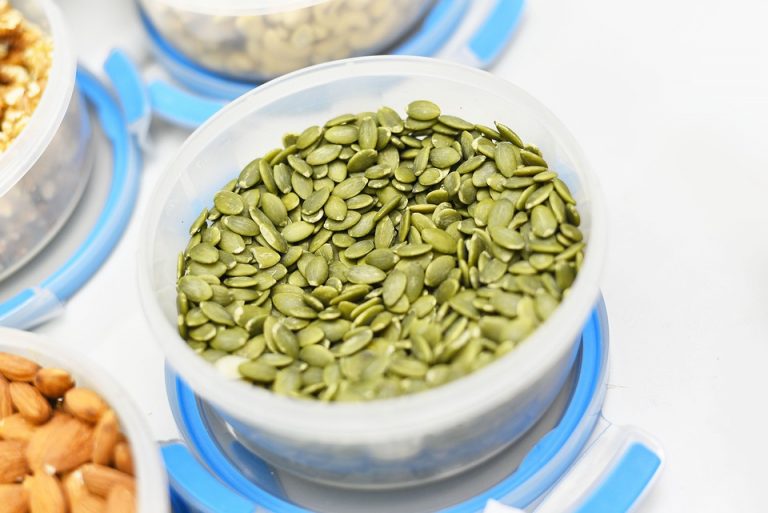
Pro Tip: For added crunch and nutrients, sprinkle some sunflower seeds or pumpkin seeds on top before serving.
Enhancing Smoothies
The Prep: Select a handful of spinach or kale, along with half a banana and a cup of almond milk or yogurt. You can also add a tablespoon of nut butter for protein and healthy fats. Make sure all ingredients are fresh and ready to blend.
The Action: Place all ingredients into a blender. Blend on high for about 30 seconds or until smooth. If you prefer a thinner consistency, add more almond milk. Taste and adjust sweetness if necessary with honey or a natural sweetener.
The Feeling: The result will be a creamy, nutrient-dense smoothie that feels refreshing and invigorating. The richness of the banana balances the greens, making it palatable without sacrificing health benefits. You will feel a surge of energy shortly after consuming it.
Pro Tip: Freeze your banana slices ahead of time for a chilled smoothie that requires no ice.
The Evening Salad Ritual
The Prep: Gather arugula, spinach, and some diced tomatoes. Include a handful of walnuts for added texture and omega-3 fatty acids. Prepare a vinaigrette using balsamic vinegar and extra virgin olive oil.
The Action: In a large bowl, combine the arugula and spinach. Add the diced tomatoes and walnuts. Drizzle the vinaigrette over the salad and toss gently to combine. Let it sit for a few minutes to allow flavors to meld before serving.
The Feeling: The crispness of the greens combined with the crunch of walnuts will create a satisfying texture. This salad will leave you feeling light yet full, perfect for an evening meal that supports your health goals.
Pro Tip: Experiment with different dressings to keep your salads exciting and flavorful.
Avoiding Common Mistakes with Leafy Greens
Overcooking the Greens
Overcooking leafy greens can lead to nutrient loss, particularly vitamins A and C. When greens are exposed to high heat for too long, they can wilt excessively and lose their vibrant color and flavor. To retain their nutrients, aim for quick cooking methods like steaming or sautéing for just a few minutes.
Instead of boiling, try lightly steaming greens for two to three minutes. This method preserves their bright color and nutrients while ensuring they remain tender. By adjusting your cooking technique, you can maximize the health benefits of your leafy greens.
Ignoring Variety
Relying on just one type of leafy green can limit nutrient intake. Each variety has unique properties and benefits. For example, kale is rich in vitamin K, while spinach offers a good source of iron. Incorporating a diverse range of greens can provide a broader spectrum of nutrients.
Aim to rotate your greens weekly. Include options like collard greens, arugula, and beet greens in your meals. This approach not only enhances nutrient absorption but also keeps your meals interesting and flavorful. Explore local markets for seasonal greens to add variety to your diet.
Neglecting Proper Storage
Improper storage can lead to wilting or spoilage of leafy greens. Keeping them in a damp environment or allowing them to sit in the fridge for too long can diminish their freshness and nutritional value. Proper storage techniques can extend their shelf life and maintain their health benefits.
Store leafy greens in a breathable container, like a produce bag or a container with ventilation. Avoid washing them until you are ready to use them. This method can help retain moisture while preventing spoilage. Regularly check for any signs of decay and remove any damaged leaves promptly.
The Mechanism Behind Longevity
The biological mechanism that links leafy greens to telomere longevity involves the presence of antioxidants and anti-inflammatory compounds. These nutrients help mitigate oxidative stress, a significant factor in telomere shortening. By combating free radicals, these greens can contribute to healthier cellular function and potentially longer telomeres.
Key compounds found in leafy greens, such as flavonoids and carotenoids, have been shown to reduce inflammation and promote cellular repair. Flavonoids, in particular, are known for their ability to protect DNA from damage. This protection is crucial in maintaining telomere length and overall cellular health.
Clinical studies support the connection between a diet rich in fruits and vegetables and increased telomere length. A study published in the “American Journal of Clinical Nutrition” found that higher vegetable intake is associated with longer telomeres. For more detailed research, refer to this PubMed search for further insights.
Choosing the Right Product
- Potency: Ensure your leafy greens are fresh and vibrant. Freshness indicates a higher concentration of nutrients.
- Purity: Select organic options when possible to avoid pesticides and chemicals that may affect health.
- Form: Choose whole leaves over pre-packaged options. Whole leaves retain more nutrients and flavor.
Understanding the Trade-Offs
| The Benefits | Potential Downsides |
|---|---|
| Rich in vitamins and minerals that support overall health | May cause digestive discomfort in some individuals |
| Low in calories, making them ideal for weight management | Can spoil quickly if not stored properly |
| High in antioxidants that combat oxidative stress | Variety may be limited in certain regions and seasons |
Complementary Lifestyle Habits
Incorporating regular physical activity into your routine complements the benefits of leafy greens. Exercise enhances circulation and promotes cellular repair, working synergistically with the nutrients found in greens to support telomere health.
Mindfulness practices, such as meditation or yoga, can also be beneficial. These activities reduce stress, which is known to negatively impact telomere length. Balancing physical and mental well-being creates a holistic approach to longevity.
Who Should Avoid This?
– Individuals with specific allergies to certain greens.
– Those on blood thinners due to high vitamin K content in some leafy greens.
– People with digestive issues that may be exacerbated by high-fiber foods.
Common Questions
Can I eat leafy greens every day?
Yes, incorporating leafy greens into your daily diet can provide numerous health benefits, including support for telomere longevity.
What is the best way to prepare leafy greens?
Lightly steaming or sautéing leafy greens helps retain their nutrients while enhancing flavor.
Are frozen leafy greens as good as fresh?
Frozen greens can be a convenient option and are often picked at peak ripeness, preserving nutrients. However, fresh greens generally offer superior flavor and texture.
How can I make leafy greens more enjoyable?
Experiment with different dressings, spices, and cooking methods to find what you enjoy most. Adding fruits and nuts can also enhance flavor and texture.
The Bottom Line
Incorporating leafy greens into your diet is a practical step towards supporting telomere longevity.
- The Truth: While leafy greens are beneficial, they are not a cure-all for aging.
- The Strategy: Aim to include a variety of greens in your meals regularly.
- The Next Step: Try to create a weekly meal plan that features different types of leafy greens.
Get Your FREE Natural Health Guide!
Subscribe now and receive our exclusive ebook packed with natural health tips, practical wellness advice, and easy lifestyle changes, delivered straight to your inbox.