
Contents
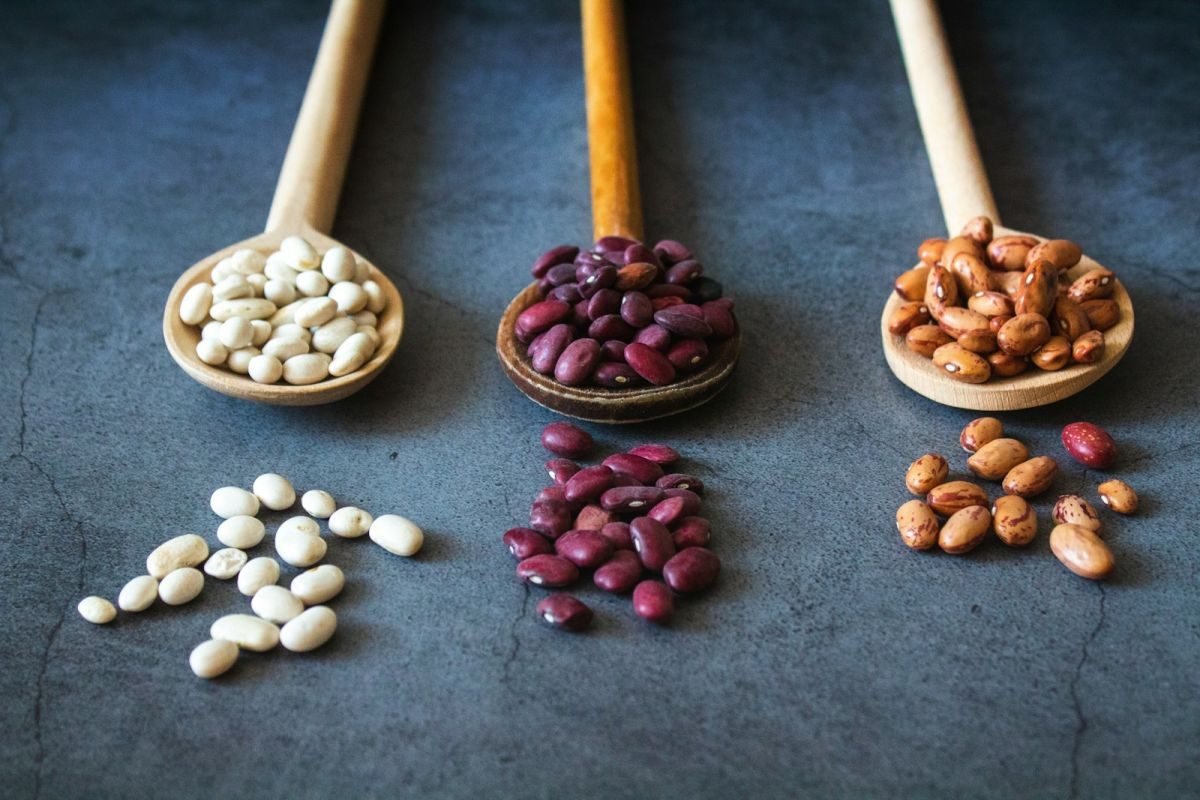
Kidney beans, often celebrated for their rich protein content and versatility in various dishes, are also a powerhouse of nutrients that can contribute to overall wellness. The common perception might be that omega-3 fatty acids are exclusively found in fish or flaxseeds. However, kidney beans can play a vital role in a balanced diet by providing essential nutrients that support heart health and inflammation reduction. Understanding the nutritional profile of kidney beans can help you incorporate them into your meals more effectively.
Many individuals struggle with ensuring they receive adequate omega-3 fatty acids, which are crucial for brain function, reducing inflammation, and promoting cardiovascular health. The challenge lies in finding plant-based sources that can deliver these benefits without compromising dietary preferences. Kidney beans can be a practical solution for those seeking to enhance their omega-3 intake while enjoying the flavors and textures of a familiar legume.
The fiber-rich nature of kidney beans also promotes digestive health, creating a synergistic effect when combined with omega-3 fatty acids. This combination not only aids in maintaining a healthy gut but also supports overall metabolic functions. By understanding how to prepare and incorporate kidney beans into your diet, you can enjoy their numerous health benefits while addressing the omega-3 gap in your meals.
This guide aims to explore the multifaceted benefits of kidney beans, particularly their role in omega-3 intake, practical applications, common mistakes to avoid, and scientific backing for these claims. By the end, you’ll have a comprehensive understanding of why kidney beans deserve a prominent spot on your plate.
How to Use Kidney Beans for Real Results
- Best Form: Cooked kidney beans
- Best Time: During meals
- Expected Result: Enhanced omega-3 intake and overall health
For Daily Protection
The Prep: Begin with one cup of cooked kidney beans, a tablespoon of olive oil, and a sprinkle of sea salt. Prepare a fresh salad by chopping cucumbers, tomatoes, and bell peppers. This colorful mix adds vitamins and minerals while complementing the beans’ flavor.
The Action: In a bowl, combine the kidney beans with the chopped vegetables. Drizzle the olive oil over the mixture and toss well to ensure even distribution. Season with salt to your taste. This salad can be enjoyed as a standalone meal or as a side dish.
The Feeling: The salad offers a satisfying crunch from the vegetables, paired with the creaminess of the kidney beans. The olive oil adds a smooth texture, making each bite delicious. Expect to feel nourished and energized after this meal.
Pro Tip: Adding a squeeze of lemon juice can enhance flavor while boosting vitamin C content.
Targeting Inflammation
The Prep: Gather one cup of cooked kidney beans, one teaspoon of turmeric powder, and half a teaspoon of black pepper. These ingredients help in combating inflammation.
The Action: In a pan, heat a tablespoon of water and add the kidney beans. Stir in the turmeric and black pepper, cooking for about five minutes until heated through. This quick dish can serve as a nutritious side or a topping for whole grains.
The Feeling: You will experience a warm, comforting sensation from the spices, complemented by the hearty texture of the beans. The dish may leave you feeling revitalized, particularly after an intense workout or a long day.
Pro Tip: Pair this dish with brown rice or quinoa for a complete protein source.
The Nighttime Routine
The Prep: Prepare a cozy bowl with one cup of kidney beans, one diced avocado, and a handful of chopped cilantro. Avocado adds healthy fats beneficial for omega-3 absorption.
The Action: Combine the kidney beans and avocado in a bowl, mixing gently to avoid mashing the avocado. Top with chopped cilantro for an aromatic finish. This dish can serve as a light dinner or a late-night snack.
The Feeling: The creaminess of the avocado balances the earthiness of the beans, creating a delightful texture. After consuming this dish, you may feel relaxed and satisfied, making it perfect for winding down.
Pro Tip: A pinch of sea salt can enhance the overall flavor profile.
Common Mistakes to Avoid
Choosing Low-Quality Beans
Selecting low-quality kidney beans can significantly impact the nutritional benefits. Beans that are old or improperly stored may lose their nutrient density and flavor, leading to a less enjoyable eating experience. Prioritize purchasing organic and fresh beans to maximize health benefits.
To ensure you are getting high-quality beans, look for reputable brands or local sources. Fresh beans not only taste better but also provide more nutrients, including omega-3 fatty acids, which are essential for various bodily functions.
Neglecting Preparation Methods
Improper preparation can hinder the health benefits of kidney beans. Raw or undercooked beans contain toxins that can lead to digestive issues. Always soak and cook beans thoroughly to neutralize harmful compounds and enhance digestibility.
Soaking beans overnight and cooking them until they are soft can help unlock their full nutritional profile. This preparation method also makes the beans more palatable and easier to digest, allowing your body to absorb the beneficial compounds effectively.
Ignoring Portion Sizes
Overeating kidney beans can lead to gastrointestinal discomfort, especially for those not accustomed to high-fiber diets. It’s essential to understand appropriate portion sizes to enjoy the benefits without adverse effects. Start with small servings and gradually increase as your body adjusts.
Monitoring portion sizes helps you balance your diet while maximizing the benefits of omega-3 fatty acids found in kidney beans. This approach allows for a more sustainable and enjoyable incorporation of beans into your meals.
The Science Behind Kidney Beans
The biological mechanism of kidney beans involves their rich composition of essential nutrients, including fiber, protein, and antioxidants. These components work synergistically to promote heart health and reduce inflammation. The soluble fiber in kidney beans helps lower cholesterol levels, while antioxidants combat oxidative stress in the body.
One of the key compounds in kidney beans is alpha-linolenic acid, a plant-based omega-3 fatty acid. This essential fatty acid is crucial for maintaining cellular function and supporting cardiovascular health. Regular consumption of kidney beans can contribute to improved heart function and reduced risk of chronic diseases.
Clinical evidence supports the health benefits of kidney beans in relation to omega-3 intake. Studies indicate that incorporating legumes, including kidney beans, into the diet can positively impact lipid profiles and reduce inflammation markers in the body. For more detailed information, refer to PubMed.
Choosing the Right Product
- Potency: Ensure the beans are packed with essential nutrients. High-potency beans typically offer better health benefits and flavor.
- Purity: Look for organic options free from pesticides and additives. Pure beans provide a cleaner source of nutrients, making them more beneficial.
- Form: Opt for dried or canned beans depending on convenience and preference. Canned beans may be easier to prepare, while dried beans allow for more control over cooking methods.
Benefits vs Risks
| The Benefits | Potential Downsides |
|---|---|
| Rich in protein and fiber, supporting muscle growth and digestion. | May cause digestive discomfort if consumed in large quantities. |
| High in antioxidants, promoting overall health and reducing inflammation. | Raw beans contain toxins that require proper cooking to neutralize. |
| Plant-based source of omega-3 fatty acids, beneficial for heart health. | Not as concentrated in omega-3s compared to fish sources. |
Habits to Enhance Your Diet
Incorporating regular physical activity can amplify the benefits of kidney beans. Exercise helps improve circulation and enhances the absorption of nutrients, including omega-3 fatty acids. Aim for a balanced routine that includes both aerobic and strength training exercises.
Mindful eating practices also play a crucial role. Paying attention to hunger cues and savoring each bite can enhance the overall experience of eating kidney beans. This awareness can lead to better digestion and improved nutrient absorption.
Who Should Avoid This?
– Individuals with kidney disorders should consult a healthcare provider before consuming kidney beans.
– People with specific allergies to legumes should avoid kidney beans to prevent allergic reactions.
– Those on certain medications may need to limit their fiber intake, including beans, so consulting a healthcare professional is advisable.
Common Questions
Can kidney beans replace fish as an omega-3 source?
While kidney beans provide some omega-3 fatty acids, they are not a direct substitute for fish, which contains higher concentrations of these essential fats.
How should kidney beans be stored?
Store dried kidney beans in a cool, dry place. Cooked beans can be kept in the refrigerator for up to a week or frozen for longer preservation.
Are there any side effects of eating kidney beans?
Consuming kidney beans in moderation is generally safe. However, overeating can lead to digestive discomfort due to their high fiber content.
How can I incorporate kidney beans into my daily meals?
Add kidney beans to salads, soups, or stir-fries. They can also be blended into dips for a nutritious snack.
The Bottom Line
Kidney beans are an excellent addition to a balanced diet, particularly for those seeking plant-based sources of omega-3 fatty acids.
- The Truth: Kidney beans do not replace fish but offer valuable nutrients.
- The Strategy: Incorporate them into meals regularly for optimal benefits.
- The Next Step: Experiment with different recipes to find your favorite ways to enjoy them.
Get Your FREE Natural Health Guide!
Subscribe now and receive our exclusive ebook packed with natural health tips, practical wellness advice, and easy lifestyle changes, delivered straight to your inbox.