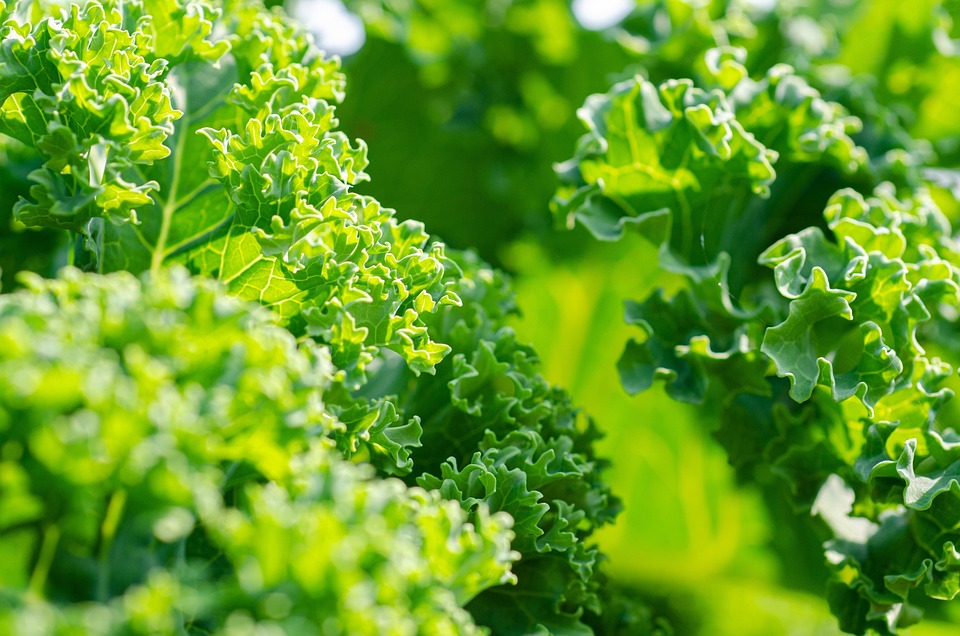

Kale has emerged as a powerhouse in the realm of nutrition, especially in discussions surrounding brain health. Many individuals grapple with cognitive decline, memory issues, and oxidative stress as they age. These challenges often lead to anxiety and insomnia, creating a cycle that can be hard to break. The good news is that certain dietary choices can provide significant relief. Among these, kale stands out for its impressive antioxidant properties, which have been linked to enhanced brain function and protection against oxidative damage.
Antioxidants play a critical role in neutralizing free radicals, which can cause cellular damage. This damage is particularly concerning in the brain, where high metabolic activity makes neurons more susceptible to oxidative stress. Kale, rich in vitamins and phytonutrients, offers a unique solution. It can help fortify the body’s defenses, contributing to improved mood, cognitive clarity, and overall mental well-being. Understanding how to effectively incorporate kale into daily routines can make a substantial difference.
This guide will explore kale’s multifaceted role in boosting brain antioxidants. It will delve into practical applications, common pitfalls to avoid, the science behind its benefits, and how to choose the right products. By the end, readers will be equipped with valuable insights and actionable strategies to enhance their cognitive health through this leafy green.
Kale is not just a trendy ingredient; it is a crucial ally in the quest for better brain health. The journey to improved cognitive function can start with something as simple as a salad or a smoothie. Knowing how to harness the power of kale can pave the way for a healthier, more vibrant mind.
Contents
How to Use Kale for Real Results
- Best Form: Fresh or lightly steamed
- Best Time: Morning or early afternoon
- Expected Result: Enhanced cognitive function and mood stability
For Daily Protection
The Prep: Begin with fresh kale, ideally organic. Gather a handful of kale leaves, a ripe avocado, a banana, and a cup of almond milk. A splash of lemon juice can enhance the flavor and nutrient absorption.
The Action: Wash the kale thoroughly. Remove the tough stems and chop the leaves. In a blender, combine the kale, avocado, banana, and almond milk. Blend until smooth. For added flavor, incorporate a squeeze of lemon juice. This smoothie can serve as a nutritious breakfast or a refreshing snack.
The Feeling: After consuming this smoothie, expect a surge of energy accompanied by a feeling of fullness. The creaminess from the avocado provides a satisfying texture, while the kale delivers a refreshing taste. The effects can last for several hours, keeping you alert and focused.
Pro Tip: Add a tablespoon of chia seeds for an extra boost of omega-3 fatty acids.
Targeting Acute Stress
The Prep: For a stress-relief salad, gather fresh kale, diced cucumbers, cherry tomatoes, walnuts, and feta cheese. Dress with olive oil and balsamic vinegar for a flavorful finish.
The Action: Rinse the kale and chop it into bite-sized pieces. In a large bowl, combine the kale with diced cucumbers and halved cherry tomatoes. Sprinkle walnuts and feta on top. Drizzle with olive oil and balsamic vinegar, then toss to combine. This salad can serve as a quick lunch or a side dish.
The Feeling: Enjoy a crunchy and satisfying meal that can alleviate feelings of stress. The combination of healthy fats from walnuts and the fiber from kale promotes a sense of fullness and calm. This sensation can linger, providing mental clarity throughout the day.
Pro Tip: Incorporate some sliced apples or pears for a touch of sweetness.
The Nighttime Routine
The Prep: For a nighttime dish, prepare sautéed kale with garlic and olive oil. You will need a bunch of kale, two cloves of garlic, and a tablespoon of olive oil.
The Action: Heat the olive oil in a pan over medium heat. Mince the garlic and add it to the pan, sautéing until fragrant. Add the chopped kale to the pan, stirring until wilted. This dish can be served alongside grilled chicken or fish.
The Feeling: Eating sautéed kale can create a warm, comforting sensation, ideal for winding down. The garlic enhances the flavor, while the kale provides a mild earthiness. Expect a feeling of satisfaction that prepares the body for restful sleep.
Pro Tip: Add a pinch of red pepper flakes for a hint of spice.
Common Pitfalls to Avoid
Neglecting Freshness
Using wilted or old kale can significantly diminish its nutritional value. Fresh kale contains higher levels of vitamins and antioxidants. When kale is past its prime, it may not only lack flavor but can also contribute to digestive discomfort. Opt for vibrant, crisp leaves whenever possible.
Choosing to buy kale from local farmers’ markets can ensure that the greens are fresh and packed with nutrients. Always check the leaves for any signs of browning or wilting. Proper storage in a breathable bag in the fridge can extend its shelf life.
Overcooking the Greens
Overcooking kale can lead to a loss of vital nutrients. When exposed to high heat for too long, the antioxidants and vitamins can degrade. This not only affects the health benefits but can also alter the texture and flavor.
To retain its nutritional profile, consider steaming or sautéing kale for a shorter duration. Aim for a vibrant green color and slight tenderness. This method preserves the integrity of the nutrients while enhancing the taste.
Ignoring Preparation Techniques
Failing to properly prepare kale can lead to a bitter taste and tough texture. It is essential to massage the leaves if using them raw in salads. This process breaks down the fibers, making them more palatable and easier to digest.
To massage kale, simply drizzle a small amount of olive oil and sprinkle some salt over the leaves. Use your hands to knead and rub the kale gently until it softens. This technique enhances flavor and improves the overall eating experience.
The Science Behind Kale’s Benefits
Kale contains a variety of compounds that contribute to its health benefits. One of the most significant is glucosinolate, which plays a role in detoxification and may protect against certain types of cancer. These compounds work at a cellular level, reducing oxidative stress and promoting overall brain health.
Another key element is vitamin K, essential for maintaining cognitive function. This vitamin has been linked to improved memory and may play a role in protecting against neurodegenerative diseases. Kale is also rich in vitamin C and beta-carotene, which help combat oxidative stress in the brain.
Clinical studies have shown that diets rich in leafy greens like kale can enhance cognitive function. One study indicated that higher consumption of green leafy vegetables was associated with slower cognitive decline. For more detailed insights, refer to this PubMed search.
Choosing the Right Product
-
Potency: Look for kale products that specify the amount of active ingredients. Higher potency often equates to better results in antioxidant support.
-
Purity: Ensure the product is free from additives or fillers. Pure kale extracts offer the best health benefits without unnecessary ingredients.
-
Form: Consider whether you prefer fresh, frozen, or powdered kale. Each form has its advantages, but fresh options generally provide the highest nutrient content.
Pros & Cons
| The Benefits | Potential Downsides |
|---|---|
| Rich in antioxidants that protect brain health | May cause digestive discomfort in some individuals |
| Supports cognitive function and memory | Can be bitter if not prepared properly |
| Low in calories, making it a great addition to weight management | Overconsumption may lead to nutrient imbalances |
Habits for Enhanced Benefits
Incorporate regular physical activity into your routine. Exercise enhances blood flow to the brain, promoting cognitive function and overall health. Pairing kale consumption with a consistent workout can amplify its benefits.
Prioritize sleep hygiene. Quality sleep is crucial for brain health, and consuming kale as part of a balanced evening meal can promote restful sleep. The nutrients in kale can support relaxation and recovery overnight.
Who Should Avoid This?
– Individuals with a history of kidney stones.
– Those on blood-thinning medications should consult a healthcare provider before significantly increasing vitamin K intake.
– People with hypothyroidism should be cautious, as kale contains goitrogens that may interfere with thyroid function.
Common Questions
Can I eat kale every day?
Yes, kale can be consumed daily, but it is essential to balance it with other vegetables to ensure a varied nutrient intake.
What is the best way to prepare kale?
Lightly steaming or sautéing kale is ideal for retaining its nutrients while enhancing flavor.
Is kale better cooked or raw?
Both forms offer benefits. Cooking can reduce bitterness, while raw kale retains more nutrients.
How can I make kale more palatable?
Massaging the leaves with olive oil and salt can soften them and enhance the taste, making them more enjoyable in salads.
The Bottom Line
Kale is a remarkable food that can significantly benefit brain health through its antioxidant properties.
- The Truth: While kale is nutrient-rich, it is not a cure-all.
- The Strategy: Incorporate it into meals regularly for optimal benefits.
- The Next Step: Make a habit of preparing kale in various delicious ways.
Get Your FREE Natural Health Guide!
Subscribe now and receive our exclusive ebook packed with natural health tips, practical wellness advice, and easy lifestyle changes, delivered straight to your inbox.