
Contents
Managing glucose levels is crucial for overall health, particularly for individuals with insulin resistance or diabetes. Many people overlook the role that hydration plays in this balance. Water, while essential for life, also acts as a crucial facilitator in metabolic processes that influence blood sugar levels. Without proper hydration, the body may struggle to regulate glucose effectively, leading to spikes and dips that can have lasting health consequences.
Inadequate hydration can affect insulin sensitivity and glucose metabolism. When the body is dehydrated, blood viscosity increases, making it more challenging for insulin to transport glucose into cells. This can lead to elevated blood sugar levels, which may exacerbate health issues over time. Understanding the intricate relationship between hydration and glucose management can empower individuals to make informed choices that support their metabolic health.
Implementing effective hydration habits can offer tangible benefits for managing glucose levels. Simple changes, such as incorporating electrolytes or consuming hydrating foods, can significantly influence how the body processes sugar. This guide will explore practical hydration strategies, the underlying science, and how to avoid common pitfalls that may hinder your progress.
By adopting mindful hydration practices, individuals can take proactive steps toward better glucose management. This guide aims to equip you with the knowledge to optimize your hydration habits for improved metabolic health.
How to Use Hydration for Real Results
- Best Form: Filtered water with electrolytes
- Best Time: Before meals and after workouts
- Expected Result: Improved insulin sensitivity and stable glucose levels
For Daily Protection
The Prep: Start with high-quality filtered water. Add a pinch of sea salt and a squeeze of lemon for flavor and electrolytes. This mixture not only hydrates but also replenishes essential minerals.
The Action: Drink this concoction first thing in the morning on an empty stomach. This practice helps kickstart your metabolism and prepares your body for the day ahead.
The Feeling: You may experience a refreshing sensation as the lemon invigorates your palate. This drink should leave you feeling hydrated and energized for several hours.
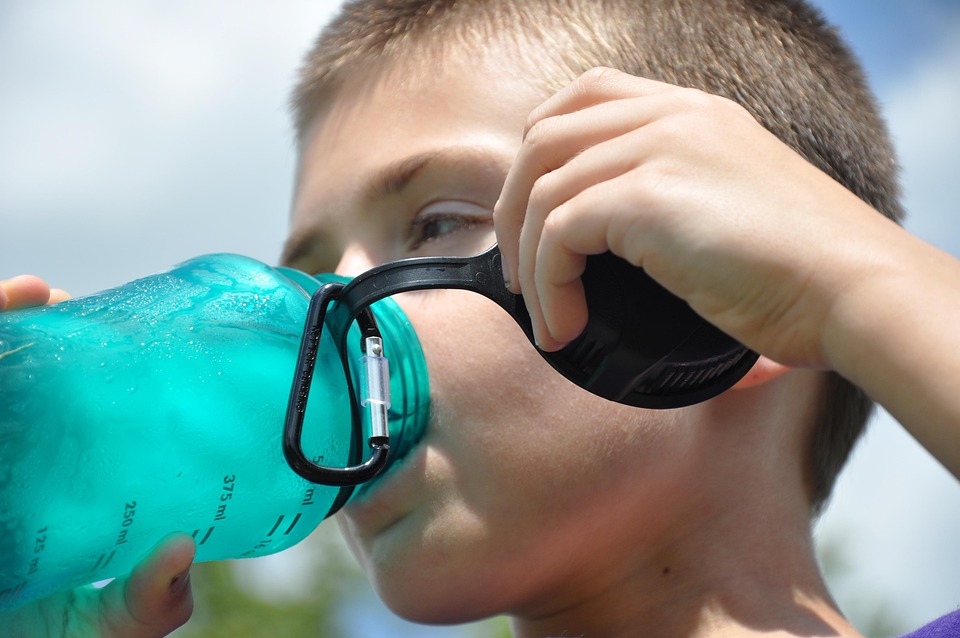
Pro Tip: Always carry a reusable water bottle to encourage consistent hydration throughout the day.
Post-Workout Recovery
The Prep: Prepare coconut water, known for its natural electrolytes. You can also mix it with filtered water for a lighter option.
The Action: After your workout, consume this mix within 30 minutes. This timing maximizes hydration and replenishes lost electrolytes, which is crucial for recovery.
The Feeling: The coolness of coconut water is soothing, and you should feel revitalized and less fatigued after consumption. This drink helps balance your electrolytes and supports glucose regulation.
Pro Tip: Experiment with different flavors of coconut water to find your favorite.
The Evening Routine
The Prep: Blend a cup of herbal tea, such as chamomile or peppermint, with a teaspoon of honey. This will not only hydrate but also provide calming effects.
The Action: Sip the tea one hour before bedtime. This practice aids digestion and promotes relaxation, setting the stage for a restful night.
The Feeling: As you sip, you may notice a warming sensation that soothes your stomach. This drink should help you wind down and prepare for sleep.
Pro Tip: Avoid caffeine-containing teas in the evening to ensure better sleep quality.
Common Hydration Errors to Avoid
Relying on Sugary Drinks
To avoid this mistake, prioritize water and natural beverages. Opt for herbal teas or infused water. These alternatives provide hydration without the adverse effects of added sugars. Another common error is overlooking the importance of electrolytes, especially during physical activity. Electrolytes help regulate fluid balance and are crucial for cellular function. Without them, hydration can be ineffective, and glucose management may suffer. Address this by incorporating natural electrolyte sources, such as coconut water or electrolyte tablets, into your hydration routine. This ensures that your body remains balanced and better equipped to manage glucose levels. Many people underestimate their daily hydration needs and do not drink enough water. This oversight can lead to chronic dehydration, which can significantly impair metabolic function and insulin sensitivity. To combat this, create a hydration schedule or set reminders to drink water throughout the day. Keeping track can help ensure you meet your hydration goals and support better glucose management. The biological mechanism of hydration involves the maintenance of fluid balance within the body. Water facilitates numerous metabolic processes, including the transport of glucose. Adequate hydration enhances insulin sensitivity, allowing cells to absorb glucose more effectively. Key compounds in hydration include electrolytes like sodium and potassium. These minerals play a vital role in maintaining fluid balance and supporting cellular processes. Proper electrolyte levels are essential for optimal glucose metabolism. Research supports the link between hydration and glucose management. A study published in the National Library of Medicine found that increased water intake positively influences insulin sensitivity and glucose control in individuals with insulin resistance.Neglecting Electrolytes
Ignoring Hydration Needs
The Science Behind Hydration and Glucose Regulation
Choosing the Right Hydration Products
Benefits vs Risks
| The Benefits | Potential Downsides |
|---|---|
| Improved insulin sensitivity | Excessive electrolyte intake can lead to imbalances |
| Better hydration promotes energy levels | Overhydration can strain kidney function |
Complementary Lifestyle Practices
Incorporating regular physical activity into your routine enhances the benefits of hydration. Exercise improves blood flow, which can further support glucose metabolism.
Mindful eating is another effective practice. Focusing on whole foods that are low in sugar can complement your hydration efforts, making it easier to manage glucose levels.
Who Should Avoid This?
- Individuals with kidney disease should consult a healthcare provider before altering hydration habits.
- Those on specific medications that affect fluid balance should be cautious and seek professional advice.
- People with heart conditions may need to limit their fluid intake based on medical recommendations.
Common Questions
How much water should I drink daily?
The general guideline is to aim for at least eight 8-ounce glasses of water a day, but individual needs may vary based on activity level and climate.
Can I hydrate with coffee or tea?
While coffee and tea can contribute to hydration, be mindful of their caffeine content, which may lead to increased urination.
Are sports drinks necessary for hydration?
For most people, plain water is sufficient. Sports drinks are beneficial during prolonged intense exercise or heat.
How do I know if I am dehydrated?
Common signs of dehydration include dark urine, dry mouth, fatigue, and dizziness. Pay attention to these indicators to maintain proper hydration.
The Bottom Line
Hydration plays a critical role in managing glucose levels effectively.
- The Truth: The effectiveness of hydration can vary among individuals.
- The Strategy: Hydrate consistently throughout the day, especially before and after meals.
- The Next Step: Track your hydration habits to identify patterns and make adjustments.
Get Your FREE Natural Health Guide!
Subscribe now and receive our exclusive ebook packed with natural health tips, practical wellness advice, and easy lifestyle changes, delivered straight to your inbox.