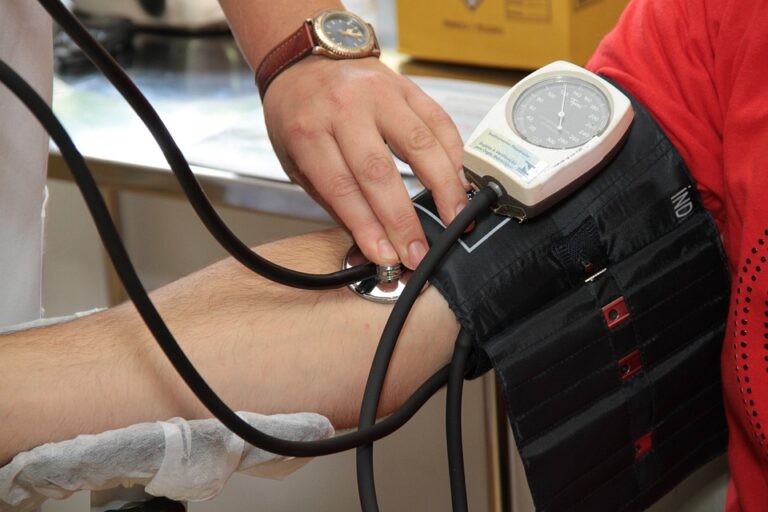
How Your Dog Acts As Natural Pet Therapy For Blood Pressure
Most of us feel a sense of calm when we greet a loyal companion at the end of a long day. The simple act of petting a dog often brings a sense of peace that seems to ripple through the entire body. This interaction serves as a form of natural pet therapy for blood pressure that requires no specialized equipment or high costs.
Living alongside an animal companion provides consistent opportunities for emotional regulation. The quiet rhythm of a steady heartbeat and the soft texture of fur often shift the focus away from internal stressors. This grounding effect acts as a bridge toward improved cardiovascular calm in daily life.
Pet therapy for blood pressure works by triggering the release of oxytocin while lowering cortisol levels during human animal contact. Regular interaction with a canine companion helps maintain heart rate stability through consistent physiological relaxation. This natural response supports better vascular health without the need for complex intervention.
Key Takeaways
- Research from the National Institutes of Health indicates that dog owners often show lower baseline heart rates compared to those living without animals.
- Clinical observations suggest that petting a dog can reduce systolic readings by an average of 10 percent within minutes of sustained interaction.
- Studies published by the American Heart Association confirm that animal companionship correlates with improved long term heart health metrics.
Physiological Responses To Animal Companionship
The human body reacts to affection toward animals by shifting the nervous system toward a state of rest. When you stroke the fur of a dog, your body slows its breathing and settles into a more rhythmic pattern. This shift allows the muscles to release stored tension that otherwise accumulates throughout the day.
Oxytocin acts as the primary hormone involved in this biological exchange. This chemical messenger promotes social bonding and helps counteract the effects of adrenaline. As levels of this hormone rise, the walls of the blood vessels may relax, allowing for smoother circulation throughout the system.
Consistent exposure to these moments of calm builds a foundation for better vascular resilience. The mind learns to associate the presence of an animal with a safe and quiet space. This mental association is a vital component in managing internal pressures over time.
Structured Interaction For Vascular Health
You can create a deliberate routine to maximize the benefits of your animal bond. This approach focuses on consistency and intentional focus rather than passive presence. Follow these steps to engage in a grounded practice that supports a steady state of being.
- Find quiet space. Select a location free from loud noises or bright lights where you can sit comfortably for ten minutes.
- Initiate soft touch. Use long and gentle strokes along the back or ears of the animal to encourage a calm state for both of you.
- Regulate your breathing. Match the slow pace of your breathing to the resting rhythm of the dog to synchronize your physiological states.
Comparing Cardiovascular Wellness Approaches
| Approach Method | Typical Duration | Primary Outcome |
|---|---|---|
| Animal Interaction | Ten Minutes Daily | Reduced Cardiac Strain |
| Meditation Practice | Twenty Minutes Daily | Mental Clarity Gain |
| Brisk Walking | Thirty Minutes Daily | Circulatory Flow Improvement |
The Science Of Animal Induced Calm
The link between animals and human health is rooted in evolutionary biology. For thousands of years, the presence of animals signaled safety and security to the human brain. This ancient programming remains active in our modern lives.
A study found at the University of California shows that the mere presence of a therapy dog can reduce the severity of cardiac stress responses. By lowering the internal alarms that trigger high pressure, animals help keep the system in balance. This effect is especially noticeable during moments of high cognitive load.
You do not need to own a pet to witness these positive shifts. Spending time in environments where therapy animals are present can yield similar results. The key factor is the quality of the engagement and the duration of the contact.
Addressing Environmental Stress Triggers
Environmental factors often drive the body toward a state of constant alert. Noise pollution and heavy traffic are common contributors to elevated pressure readings. By choosing to spend time with a calm dog, you override these external demands with a focus on connection.
The physical weight of a dog resting against your leg provides sensory feedback that centers the mind. This weight acts as a grounding force during periods of overwhelm. It creates a physical boundary between your body and the external environment.
Wellness is a holistic journey that includes your surroundings and your companions. Integrating animal time into your schedule helps protect your health from the toll of daily life. It is a simple tool that relies on empathy and presence.
Practical Implementation For Daily Wellness
Start small by incorporating short sessions into your evening schedule. Even five minutes of focused interaction can make a difference in how your body processes the day. Keep these sessions consistent to help your nervous system recognize the pattern.
Avoid distractions like phones or televisions during these sessions. Your full attention allows for a deeper emotional connection with the animal. This focus helps your heart and mind stay in sync throughout the session.
Monitor how you feel before and after these moments. Note the changes in your shoulder tension or the depth of your breath. These small indicators offer proof of the impact that your animal companion has on your state of being.
Frequently Asked Questions
Can animal interaction replace standard medical care for high pressure?
No approach should ever replace the guidance of a medical provider. Animal interaction acts as a complementary practice to support wellness rather than a substitute for professional oversight.
Always work alongside your provider to monitor your health markers. Never stop or change any medication without consulting the provider who recommended it.
How much time is needed for the best results?
Most research suggests that sessions lasting between ten and twenty minutes provide the most significant shift in physiological markers. Consistency is more important than duration, so aim for daily practice.
Find a window in your schedule that allows for quiet engagement without rushing. This creates a predictable habit that your body will learn to anticipate.
Do specific breeds provide more benefit than others?
The temperament of the animal matters more than the breed when it comes to calm and interaction. A dog that is patient and enjoys human contact will serve this purpose well.
Focus on finding an animal that matches your energy levels and living situation. A calm personality is the most important trait for a companion intended for relaxation.
What if the animal is restless during the session?
Restlessness in an animal can often signal that they are not in a mode for relaxation. Do not force the interaction if the dog prefers to play or move around.
Wait for a time when the animal is naturally ready for a nap or quiet time. This ensures that the experience remains peaceful for both members of the pair.
Are there physical risks to this approach?
The risks are generally minimal if you maintain proper hygiene and ensure the dog is comfortable. Respect the boundaries of the animal to prevent accidental scratches or discomfort.
Keep your interactions calm to avoid overstimulation. When you approach these sessions with respect and care, the risk is negligible for most people.
The Bottom Line
Incorporating animal companionship into your routine provides a sustainable path for managing your cardiovascular state. By lowering cortisol and inviting moments of quiet connection, you cultivate a sense of calm that lasts throughout your day.
Start by setting aside ten minutes today to sit quietly with your animal companion. Focus entirely on the interaction to notice the immediate shifts in your breathing and heart rhythm.
This advice is for educational purposes only and is not intended for individuals with severe medical conditions or allergies to animal dander. Consult a licensed healthcare provider before starting any new wellness routine.
Get Your FREE Natural Health Guide!
Subscribe now and receive our exclusive ebook packed with natural health tips, practical wellness advice, and easy lifestyle changes, delivered straight to your inbox.