
Contents
In Brief
- Safety: Generally safe for most people when used appropriately.
- Effectiveness: Research supports its potential benefits for cognitive function.
- Key Benefit: May enhance memory and reduce cognitive decline.
You wake up one morning and realize your memory isn’t what it used to be. Simple tasks feel overwhelming, and recalling names or appointments becomes increasingly difficult. These moments can be disheartening, especially as you strive to maintain a sharp mind.
Research indicates that cognitive decline is not an inevitable part of aging. Instead, lifestyle choices, including diet, play a significant role in brain health. Among various natural remedies, turmeric has garnered attention for its potential neuroprotective properties.
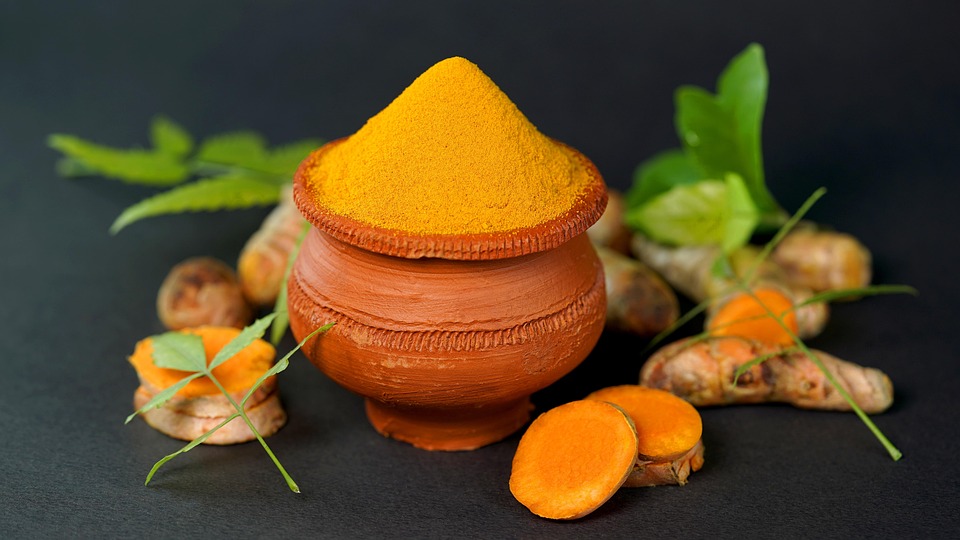
Turmeric, a vibrant yellow spice, contains curcumin, its active compound, which has been studied for its anti-inflammatory and antioxidant effects. This natural ingredient may offer a solution to support cognitive function, paving the way for improved memory and mental clarity.
Embracing turmeric in your daily routine could be the key to enhancing your cognitive health. Let’s delve into the science behind this golden spice and explore how it can support your brain naturally.
What the Research Says
Numerous studies have investigated the effects of turmeric on cognitive function, particularly focusing on curcumin. Research conducted at the University of California found that curcumin may help improve memory and attention in older adults, thanks to its ability to reduce inflammation and oxidative stress in the brain.
Furthermore, a study published in the Journal of Psychopharmacology indicated that curcumin supplementation led to improvements in cognitive performance among individuals with mild cognitive impairment. These findings suggest that curcumin may play a role in preventing or delaying the onset of neurodegenerative diseases like Alzheimer’s.
The following table summarizes turmeric’s cognitive benefits compared to a common alternative, such as ginkgo biloba:
| Aspect | Turmeric | Ginkgo Biloba |
|---|---|---|
| Active Compound | Curcumin | Flavonoids and Terpenoids |
| Mechanism | Anti-inflammatory, Antioxidant | Improves blood flow, Antioxidant |
| Evidence | Strong in cognitive studies | Moderate, mainly for memory |
Effective Ways to Use This
1. **Golden Milk**: This comforting beverage combines turmeric with milk (or a non-dairy alternative) and spices like cinnamon and ginger. The fat in milk enhances curcumin absorption, making it a delicious way to incorporate turmeric into your diet. Consuming golden milk at night may promote relaxation and improve sleep quality, indirectly benefiting cognitive health.
-
Turmeric Smoothies: Adding turmeric to your morning smoothie can be an easy way to boost your nutrition. Combine it with fruits like bananas or berries, along with greens and a source of protein. This nutrient-rich blend supports both brain health and energy levels, setting a positive tone for your day.
-
Turmeric Supplements: For those who find it challenging to consume turmeric in food, supplements are an alternative. Look for formulations that combine curcumin with black pepper extract, as this enhances absorption. Always consult a healthcare provider before starting any new supplement regimen.
-
Spice Blends: Incorporate turmeric into your cooking by adding it to spice blends. It works well in savory dishes, such as curries, soups, and roasted vegetables. This not only enhances flavor but also adds significant health benefits to your meals.
-
Turmeric Tea: Brewing turmeric tea is another excellent way to enjoy its benefits. Combine turmeric powder with hot water, lemon juice, and honey for a soothing drink. Consuming turmeric tea regularly may help reduce inflammation and support cognitive function.
-
Cooking with Turmeric: Use turmeric in everyday cooking. It pairs well with grains, lentils, and even eggs. Regularly including this spice in your meals can help maintain a healthy brain over time.
-
Topical Applications: While less common, turmeric can also be applied topically in the form of masks or pastes. Some believe that its anti-inflammatory properties may help with skin health, which indirectly contributes to overall wellness and cognitive function.
Best Time & Dosage
The optimal dosage of turmeric for cognitive benefits can vary. Most studies suggest a daily intake of 500 to 2000 mg of curcumin for significant effects. Taking turmeric with meals, especially those containing healthy fats, can enhance absorption.
For maximum benefits, spreading out your intake throughout the day may be advantageous. Consider starting with a lower dose and gradually increasing it while monitoring your body’s response. Always consult a healthcare professional for personalized advice.
Safety & Precautions
1. **Consult Your Doctor**: Before adding turmeric to your regimen, especially if you have existing health conditions or are on medication.
Safety Note: Turmeric can interact with certain medications, such as blood thinners.
-
Start with Small Amounts: Introduce turmeric gradually to avoid gastrointestinal discomfort.
Safety Note: High doses can lead to stomach upset or nausea. -
Check for Allergies: If you have allergies to ginger or other spices, exercise caution.
Safety Note: Allergic reactions are possible, though rare. -
Pregnancy and Breastfeeding: Pregnant or breastfeeding women should limit turmeric intake.
Safety Note: High amounts may stimulate the uterus or affect milk supply. -
Monitor for Side Effects: Be aware of any adverse reactions when starting turmeric.
Safety Note: Discontinue use and consult a healthcare professional if side effects occur.
5 Common Myths vs. Facts
1. **Myth**: Turmeric is just a spice with no real health benefits.
**Fact**: Numerous studies support its anti-inflammatory and cognitive-enhancing properties.
-
Myth: You can get enough curcumin from food alone.
Fact: Significant benefits often require supplementation due to low curcumin content in food. -
Myth: Turmeric is completely safe for everyone.
Fact: It can interact with medications and may not be suitable for certain individuals. -
Myth: All turmeric products are equally effective.
Fact: The form and quality of turmeric significantly influence its efficacy. -
Myth: Turmeric can cure Alzheimer’s disease.
Fact: While it shows promise, it is not a cure and should not replace conventional treatments.
The Final Verdict
Incorporating turmeric into your daily routine may provide a natural way to support cognitive function. With its rich history and growing body of research, this golden spice offers hope for enhancing memory and overall brain health. Empower yourself by exploring the various ways to enjoy turmeric and consult with a healthcare professional to tailor it to your needs.
Get Your FREE Natural Health Guide!
Subscribe now and receive our exclusive ebook packed with natural health tips, practical wellness advice, and easy lifestyle changes, delivered straight to your inbox.