

Understanding Why Oat Milk In Coffee Is Stalling Your Fat Loss Goals
I feel the morning fog lift only after that first warm cup touches my hands. Many mornings involve a simple ritual of brewing coffee and adding a splash of creamy plant liquid to smooth out the acidity. We often view these small choices as minor, yet they contribute to our total daily intake in ways we rarely calculate.
The shift toward grain-based alternatives has changed how many of us build our daily coffee habits. Choosing a carton from the grocery store shelf seems like a conscious move toward better wellness. We must look at the hidden costs within these popular beverages to see if they align with our specific body composition targets.
Why oat milk in coffee is stalling your fat loss happens because the beverage contains high amounts of simple carbohydrates and added oils that disrupt your metabolic state. These liquid calories provide minimal satiety, leading to an insulin response that encourages fat storage rather than utilization. Consuming these starches early in the day can effectively pause the metabolic processes required for shedding excess weight.
Key Takeaways
- Standard oat milk often contains 15 to 20 grams of carbohydrates per cup, which rivals the sugar content found in some sodas.
- Added seed oils like canola or sunflower oil appear in most commercial brands to improve texture, increasing the total caloric density of your morning drink.
- Research from the National Institutes of Health indicates that high glycemic index foods lead to rapid spikes in blood glucose levels.
The Carbohydrate Impact Of Grain-Based Milks
Oats are a starch-heavy grain by nature. When manufacturers process these grains into liquid form, the enzymes break down complex starch chains into simpler sugars. This process creates a drink that enters your bloodstream quite quickly after consumption.
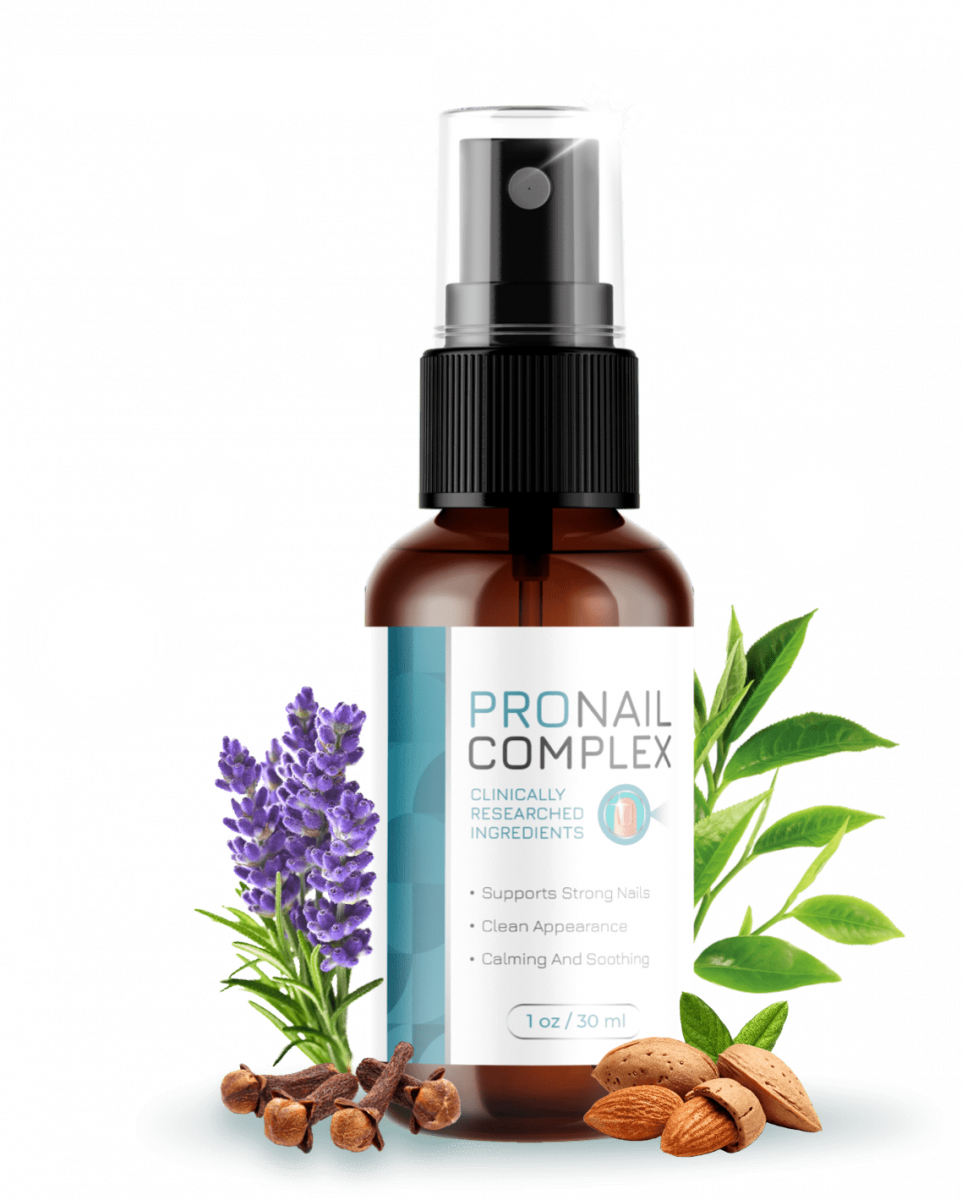
ProNail Complex™ Targeted Daily Mist
- Targeted daily mist designed to absorb deeply and support the structural balance of nail beds
- Helps maintain a clean, vibrant appearance against footwear and environmental disruptions
- Manufactured in a cGMP-compliant, FDA-registered facility without harsh chemical scraping
When you pour this liquid into your coffee, you are effectively drinking a serving of liquefied refined grains. For those focused on a lower carbohydrate intake, this addition functions more like a snack than a neutral creamer. Your body reacts to these sugars by releasing insulin, which is the primary hormone that instructs your cells to store fat.
Hidden Additives In Commercial Cartons
Look at the ingredient panel on your favorite carton. You will likely find more than just oats and water. Producers add specific vegetable oils to create that signature frothy mouthfeel we associate with cafe-style drinks.
These fats increase the energy density of your coffee without adding nutritional value. When you combine extra starch with refined oils, you create a calorie-dense drink that lacks protein or fiber. This combination keeps you from feeling full while significantly increasing your daily energy intake.
Comparison Of Common Coffee Additives
| Milk Type | Carbohydrate Range | Typical Fat Source |
|---|---|---|
| Unsweetened Almond | 1 to 2 Grams | Natural Nut Oils |
| Standard Oat Milk | 15 to 20 Grams | Added Seed Oils |
| Dairy Cream | 0 to 1 Grams | Milk Fat |
The Role Of Insulin Sensitivity
Metabolic health relies on maintaining stable blood sugar levels. Frequent spikes caused by liquid carbohydrates force your system to produce insulin constantly. Data from the Centers for Disease Control shows that managing glycemic responses is vital for those trying to maintain a healthy weight.
If your baseline insulin levels remain elevated, your body finds it difficult to access stored fat for fuel. A simple morning habit can perpetuate a cycle of hunger and cravings throughout the afternoon. Switching to a lower carbohydrate creamer may allow your system to remain in a state more conducive to weight management.
Calculating Your Daily Liquid Intake
You might think one small splash does not matter. Let us do the math on a standard week of coffee consumption. If you use half a cup of this grain-based liquid in your two daily coffees, you consume roughly 150 calories and 20 grams of carbs extra each day.
That equals 1,050 calories and 140 grams of sugar weekly. This surplus alone can be enough to halt progress for many individuals. Monitoring these hidden inputs provides a clearer picture of why your weight loss progress feels stagnant.
Strategies For Better Morning Choices
You do not need to drink your coffee black if you dislike the taste. Several alternatives exist that support your wellness goals without the high starch content. Consider these shifts to keep your coffee routine intact.
- Unsweetened Nut Milks: Options like macadamia or almond milk provide creamy textures with minimal glucose impact.
- High Protein Options: Soy milk or pea protein-based milks offer better satiety, which helps prevent overeating later.
- Pure Heavy Cream: A small amount of grass-fed heavy cream contains zero sugar and provides healthy fats that keep you satisfied for longer.
Scientific Perspectives On Glucose Control
Understanding how specific foods affect your physiology helps you make better decisions. Reference the U.S. National Library of Medicine for more details on how carbohydrates function in your body. Education regarding food sources allows you to navigate the grocery aisle with confidence and precision.
Focusing on fiber-rich, whole foods rather than liquid carbohydrates provides more stable energy. When you reduce the glycemic load of your breakfast, you support your body in its natural processes. Wellness is often found in the small adjustments we make to our existing daily habits.
Frequently Asked Questions
Does the amount of oat milk matter if I only use a splash?
Even small amounts of this product contain enough refined starches to influence your blood glucose levels. If you are strictly monitoring your carbohydrate intake, every ounce adds up during the course of a day. Over time, these small, frequent additions create a cumulative effect that impacts your overall energy balance.
Focusing on the total volume rather than just a single splash provides a more accurate picture of your habits. If you find your progress stalled, consider tracking the exact ounces you add to your morning beverage for one full week. This simple measurement often reveals a higher intake than individuals anticipate.
Are there brands that do not contain added oils?
Some smaller, health-focused companies produce versions using only oats, water, and salt. These options remove the problematic seed oils but still contain the inherent carbohydrates from the grains themselves. While they are a cleaner choice, they remain a dense carbohydrate source that may not suit a weight management focus.
Always verify the label to ensure no gums or fillers remain in the product. Even without seed oils, the primary starch content remains high compared to other non-dairy alternatives. Prioritize these labels if you choose to keep this item in your rotation for texture reasons.
Can I drink oat milk after a workout?
Consuming carbohydrates after intense physical activity serves a different purpose than drinking them during a period of rest. During recovery, your muscles are primed to take up glucose to replenish glycogen stores. In this specific window, the impact of a grain-based drink is different from drinking it while sedentary.
Determine if your goal is immediate recovery or general fat loss. If your primary focus is shedding weight, you might still benefit from choosing a lower-starch recovery drink. Always assess your current energy needs against your movement levels before deciding on your beverage choice.
Is oat milk better than cow milk for fat loss?
Comparing these two requires looking at your individual tolerance and metabolic response. Dairy milk contains lactose, which is a sugar, but it also provides protein and fat that can help with fullness. Oat milk is essentially a grain-based carbohydrate source that lacks significant protein content.
Most individuals seeking to manage their weight find that minimizing liquid sugar and starch is the priority. Neither dairy nor oat milk is inherently superior, as both influence blood sugar differently depending on your system. Choosing a fat-based creamer or an unsweetened nut-based option often yields better results for most people.
How long does it take to see results after switching my creamer?
Metabolic shifts often occur within days of removing high-glycemic inputs from your diet. Once you stabilize your blood sugar by cutting out refined starches, you may notice reduced afternoon cravings and more stable energy levels. Weight management results typically follow these internal shifts as your body becomes more efficient at accessing fuel.
Consistency is more important than the speed of change. By removing a consistent source of daily hidden carbohydrates, you allow your system to reset its reliance on stored energy. Stay consistent with your new choice for several weeks to observe the full effect on your body composition.
The Bottom Line
Why oat milk in coffee is stalling your fat loss is rooted in the high glycemic nature of grain-derived liquids. These drinks often provide more carbohydrates and processed oils than necessary, disrupting your metabolic stability early in your day.
Swapping this addition for lower-carbohydrate alternatives can significantly improve your results over time. Evaluate your current creamer choice today and consider substituting it for an unsweetened nut milk or heavy cream to see how your body responds.
This information is for educational purposes only and should not replace personalized advice from a professional. Never stop or change any medication without consulting the provider who recommended it. Consult a licensed healthcare provider before starting any new wellness routine.
Get Your FREE Natural Health Guide!
Subscribe now and receive our exclusive ebook packed with natural health tips, practical wellness advice, and easy lifestyle changes, delivered straight to your inbox.