
Unpacking the Moon Cycle Libido Connection
The enduring fascination with the moon’s influence on human behavior and physiology spans millennia. Many cultures across history have drawn connections between lunar phases and various natural cycles on Earth. This deep historical context informs much of the modern discussion about how our internal rhythms might align with celestial patterns.
People often explore the intricate **moon cycle libido connection** as part of a broader interest in natural well-being. This exploration isn’t about rigid causation but rather a personal journey into self-awareness and understanding subtle shifts in energy or focus. Observing these potential alignments can offer unique insights into our individual experiences.
Understanding these perceived connections involves looking at both historical observations and our current knowledge of human biology. While the science on direct lunar causation of human physiological states remains an area of ongoing discussion, the act of attuning to natural rhythms can be a powerful tool for personal wellness.
Ancient Rhythms: The Moon and Human Experience
For countless generations, humanity lived intimately connected to the natural world. The moon, a prominent celestial body, marked time, guided agriculture, and illuminated the night sky. Its consistent cycle became a fundamental reference point for life’s rhythms.
Ancient civilizations often wove the moon into their spiritual beliefs and practical living. They observed patterns in animal behavior, plant growth, and even human fertility that seemed to align with lunar phases. This created a rich tapestry of folklore and traditional wisdom.
These observations weren’t always scientific in the modern sense but represented an intuitive understanding of interconnectedness. They acknowledged that humans are part of a larger natural system, susceptible to various environmental cues. This laid the groundwork for many of the discussions we have today about natural cycles.
The Human Infradian Rhythm: A Parallel Journey
Humans possess internal biological clocks that regulate many bodily functions. Beyond the well-known **circadian rhythm**, which is a roughly 24 hour cycle, exists the **infradian rhythm**. This term describes biological cycles that extend longer than a single day.
For individuals with menstrual cycles, this infradian rhythm averages about 28 to 29 days. This remarkable coincidence in length with the moon’s synodic cycle, which is approximately 29.5 days, has long captured human imagination. People often associate the timing of their own internal cycles with lunar phases.
This doesn’t imply the moon directly *causes* human biological processes. Rather, it highlights a compelling parallel between an external natural rhythm and an internal biological one. Many explore the idea of a deep, perhaps ancestral, synchronicity with these pervasive natural patterns.
Light Exposure and Endogenous Timers
The presence or absence of light is a primary regulator of our internal clocks. Our bodies evolved to respond to the natural ebb and flow of daylight and darkness. Light exposure influences hormone production, sleep patterns, and overall energy levels.
Historically, before widespread artificial illumination, moonlight would have played a far more significant role in the nocturnal environment. Even subtle variations in ambient light throughout the lunar cycle could have provided an environmental cue. This type of influence differs greatly from direct causation but could have shaped behavioral patterns.
Modern research continues to explore how light, even dim light at night, can impact our biological rhythms. Understanding the intricate **circadian rhythm** is crucial for health, as detailed by the National Institute of General Medical Sciences. While the moon’s light intensity is low, the cumulative effect of cyclical variations over time is often discussed in wellness circles.
Exploring Hormonal Flow and Natural States
The body’s endocrine system orchestrates a complex dance of hormones that influence mood, energy, and reproductive well-being. These hormonal levels naturally fluctuate over the course of a monthly infradian cycle in individuals who menstruate. These internal shifts contribute to varying states of energy and focus.
Key hormones like **estrogen** and **progesterone** rise and fall predictably through the cycle phases. Estrogen levels generally increase in the first half of the cycle, often associated with a sense of vitality and outward focus. Progesterone dominates the second half, frequently linked to inward reflection and preparation.
These natural hormonal patterns are intrinsic to human physiology, driven by internal biological clocks. While their timing coincidentally aligns with the moon’s rhythm, the body’s own regulatory mechanisms are at play. Many individuals find that understanding their unique hormonal flow helps them better navigate their monthly experiences.
People with underlying conditions often work with a qualified healthcare professional for personalized guidance. This information is educational and not a substitute for medical advice.
Phases of Lunar Discussion and Associated Wellness Patterns
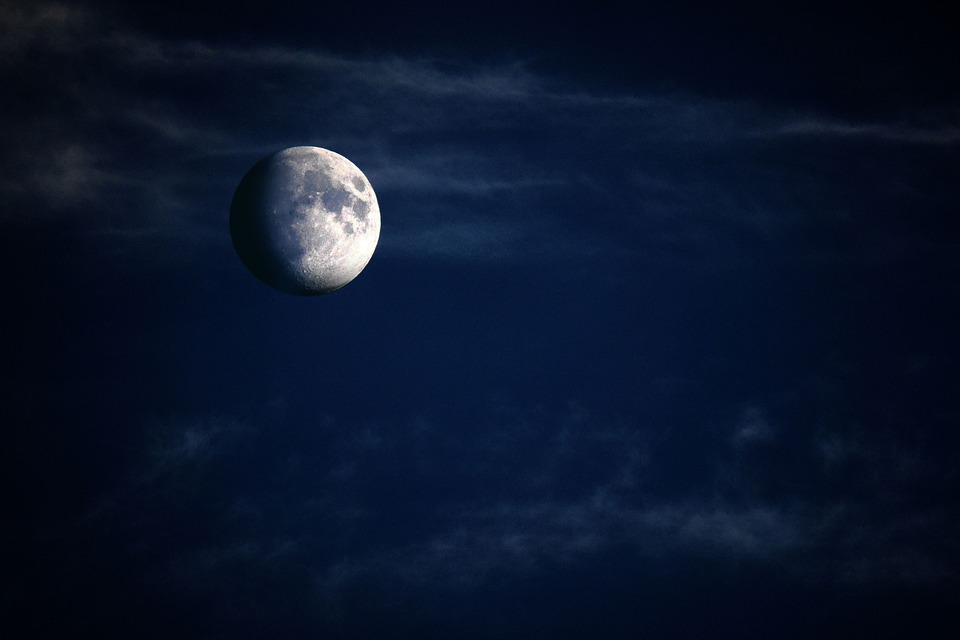
Observing the moon’s phases can serve as a reflective exercise for understanding personal patterns. While not a prescriptive guide, this framework offers a way to tune into one’s own changing energy and emotional landscape. People often report different experiences during each distinct lunar phase.
This approach encourages individuals to journal their feelings, energy levels, and social inclinations alongside the moon’s progression. Over time, recurring themes may emerge, offering insights into personal rhythms and how they might relate to perceived natural cycles. This fosters a deeper connection to self and environment.
The table below outlines common discussions and anecdotal observations associated with each primary moon phase. This provides a general reference for personal exploration rather than scientific fact.
| Moon Phase | General Discussion | Associated Wellness Patterns |
|---|---|---|
| New Moon | A time for quiet contemplation and setting new intentions. | Often linked to lower social energy, a desire for introspection, and fresh starts. |
| Waxing Crescent | Building energy, nurturing growth, taking initial steps towards goals. | Many people report increasing vitality, motivation, and a gradual outward focus. |
| First Quarter | Facing challenges, making decisions, overcoming initial hurdles. | Can be associated with determination, focused effort, and navigating obstacles. |
| Waxing Gibbous | Refinement, optimization, preparing for culmination. | Often perceived as a period of active engagement, refining plans, and building momentum. |
| Full Moon | Peak energy, illumination, heightened emotions, manifestation. | Many individuals report feeling more outgoing, experiencing vivid dreams, or emotional intensity. |
| Waning Gibbous | Gratitude, sharing, harvesting the fruits of effort, gradual release. | Can be linked to a sense of contentment, a desire to share experiences, and a softening of energy. |
| Last Quarter | Release, letting go, cleansing, reevaluation. | Often associated with shedding old habits, reassessing priorities, and a clearing of space. |
| Waning Crescent | Rest, surrender, deep introspection, preparing for renewal. | Many people feel a pull towards quiet reflection, restorative practices, and a winding down. |
Cultivating Personal Harmony with Natural Cycles
Aligning with natural cycles, whether lunar or purely internal, emphasizes self-awareness and mindful living. It involves listening to the body’s cues and honoring its fluctuating needs rather than rigidly forcing a particular state. This approach promotes a sense of inner balance and well-being.
Practices like mindful movement, spending time in nature, and reflective journaling can support this process. These activities encourage a deeper connection to our physical and emotional states, allowing us to identify individual rhythms more clearly. It is about working *with* the body, not against it.
Adjusting daily routines to match perceived energy levels can be highly beneficial. For instance, scheduling more vigorous activities during phases of higher vitality and prioritizing rest and introspection during periods of lower energy. This flexibility supports sustainable well-being over time.
Nourishing the Body’s Rhythms: Ashwagandha for Balance
Supporting overall well-being is a fundamental aspect of cultivating personal harmony. Certain botanical allies have been traditionally valued for their roles in promoting a sense of balance within the body. Ashwagandha, an herb deeply rooted in Ayurvedic traditions, is frequently discussed for its potential to support general vitality.
This revered herb is often explored by individuals seeking to enhance their body’s natural capacity for adapting to various stressors. It is not about directly altering specific cycles but rather supporting the foundational systems that contribute to overall resilience. A balanced body can more effectively navigate its inherent rhythms.
Ashwagandha has a history of use for supporting feelings of calm and maintaining balanced energy levels throughout the day. People integrate it into their daily routines as a way to nurture their physical and emotional landscapes. Its traditional applications highlight a long-standing appreciation for its gentle, supportive qualities.
* Active Compounds: Withanolides
* Best Explored For: Supporting general stress adaptation
* Approach to Well-being: Contributes to a sense of calm
Guidance for Integration
Many people find consuming a standardized extract in capsule form a convenient approach for incorporating ashwagandha into their wellness practices.
People with underlying conditions often work with a qualified healthcare professional for personalized guidance. This information is educational and not a substitute for medical advice.
Common Misconceptions and Grounded Perspectives
A significant misconception revolves around the idea of the moon directly dictating human physiology. While the moon’s gravitational pull influences ocean tides, its direct physiological impact on the human body, particularly concerning internal functions, lacks robust scientific evidence. Our bodies are complex, self-regulating systems.
Distinguishing between correlation and causation is vital in these discussions. Observing that personal energy shifts *coincide* with lunar phases differs markedly from claiming the moon *causes* those shifts. Often, cultural beliefs or personal expectations can subtly influence how we perceive our own experiences.
The power of suggestion and the human mind’s capacity for pattern recognition play a considerable role. If someone expects to feel a certain way during a full moon, they may unconsciously interpret their experiences through that lens. This phenomenon, while not medical, speaks to the profound connection between mind and body in well-being.
Frequently Asked Questions
Can the moon cycle directly change hormone levels?
While human hormonal cycles often align closely in length with the lunar cycle, current scientific understanding points to the body’s intrinsic biological clocks and endocrine system as the direct regulators of hormone levels. The moon’s influence is generally discussed in terms of historical observations and broader environmental attunement.
Is it possible to track my own moon cycle libido connection?
Yes, many people find value in tracking their personal energy, mood, and intimate desires in relation to lunar phases. This involves mindful observation and journaling over several months. This self-tracking can reveal individual patterns, offering insights into personal rhythms.
What role does light play in perceived lunar influences?
Light exposure is a powerful regulator of human circadian rhythms, influencing sleep and various biological functions. Historically, ambient moonlight might have provided subtle environmental cues. While not a direct driver of libido, variations in light can influence overall well-being and bodily rhythms.
Are claims about the moon’s influence scientifically proven?
Direct, robust scientific evidence conclusively proving the moon’s causal influence on human libido or specific physiological functions remains limited. Most discussions revolve around historical observations, anecdotal reports, and the compelling correlation in length between the lunar cycle and human infradian rhythms.
The Bottom Line
The exploration of the moon cycle’s influence on natural vitality is a journey into self-awareness and connection with natural rhythms. It’s less about a direct, scientifically proven causation and more about an enduring human fascination with cycles. By observing parallels and understanding our own internal body clocks, we can gain valuable insights into our personal well-being.
Consider tracking your own well-being patterns over a month, noting how your energy, focus, and intimate desires might fluctuate. This personal observation can foster a deeper connection to your unique rhythms and enhance your understanding of your own natural states.
Get Your FREE Natural Health Guide!
Subscribe now and receive our exclusive ebook packed with natural health tips, practical wellness advice, and easy lifestyle changes, delivered straight to your inbox.