
Contents
In Brief
- Safety: Generally safe when consumed in moderation; consult a healthcare provider if you have specific conditions.
- Effectiveness: High-protein foods can promote hair growth and improve overall hair health.
- Key Benefit: Enhances hair strength and reduces breakage, leading to healthier, fuller hair.
Imagine looking in the mirror and feeling disheartened by thinning hair. Many women experience hair loss or brittleness at some point in their lives, which can be linked to various factors, including diet. A surprising number of studies indicate that the foods we consume, particularly those rich in protein, play a crucial role in hair health.
Research shows that hair is primarily made up of a protein called keratin. Therefore, incorporating protein-rich foods into your diet can provide the building blocks necessary for hair growth and strength. If you’re struggling with hair issues, you might find a solution in your own kitchen.
Protein foods, such as lean meats, fish, legumes, and dairy, can be transformative. They not only support hair growth but also enhance the overall health of your scalp, leading to improved hair quality. The right dietary changes can make a significant difference in how your hair looks and feels.
With the right knowledge and commitment, you can nourish your hair from the inside out. Let’s explore how protein foods can truly transform your hair health.
What the Research Says
Scientific investigations have consistently shown a strong correlation between protein intake and hair health. A study published in the Journal of Clinical and Aesthetic Dermatology found that women with low protein intake often experienced hair thinning. The essential amino acids found in protein-rich foods are crucial for keratin production, the primary structural component of hair.
Additionally, a review from the International Journal of Trichology highlighted that hair follicles require adequate protein to maintain their growth cycle. Insufficient protein can lead to hair loss and compromised hair quality.
Here’s a comparison of protein-rich foods versus a common alternative:
| Protein-Rich Foods | Common Alternative | Key Nutrients |
|---|---|---|
| Lean meats (chicken, turkey) | Processed snacks (chips, bars) | High in protein, vitamins B6 and B12 |
| Fish (salmon, tuna) | White bread | Rich in omega-3 fatty acids, protein |
| Legumes (beans, lentils) | Sweetened cereals | High in fiber, protein, iron |
Effective Ways to Use This
-
Incorporate Lean Meats: Chicken and turkey are excellent sources of high-quality protein. Adding these to your meals can provide essential amino acids that support hair structure. Aim for at least two servings a week to maximize benefits.
-
Include Fatty Fish: Salmon and mackerel are packed with omega-3 fatty acids and protein. These nutrients not only nourish hair follicles but also promote scalp health. Enjoy fatty fish twice weekly for optimal results.
-
Add Dairy Products: Greek yogurt and cottage cheese are rich in protein and calcium. Including dairy in your diet can enhance hair strength and reduce breakage. A daily serving can make a noticeable difference in hair texture.
-
Utilize Plant-Based Proteins: Legumes like chickpeas, lentils, and beans offer a great source of protein for vegetarians. They also contain essential vitamins and minerals that support hair growth. Incorporate these into salads or soups several times a week.
-
Snack on Nuts and Seeds: Almonds, walnuts, and flaxseeds are nutrient-dense and provide healthy fats, protein, and vitamins. A handful of nuts as a daily snack can significantly improve hair health.
-
Explore Protein Supplements: For those struggling to meet protein needs through food alone, protein powders can be an option. Integrate these into smoothies or oatmeal, but consult a healthcare provider for personalized advice.
-
Balance with Other Nutrients: While protein is vital, ensure you’re also consuming vitamins A, C, D, and E, along with zinc and iron. A well-rounded diet will enhance the effectiveness of protein in promoting healthy hair.
Best Time & Dosage
Timing your protein intake can be just as important as the amount you consume. Aim to distribute your protein intake evenly throughout the day. For optimal hair health, women should target at least 46 grams of protein per day, but active individuals may need more, up to 75 grams.
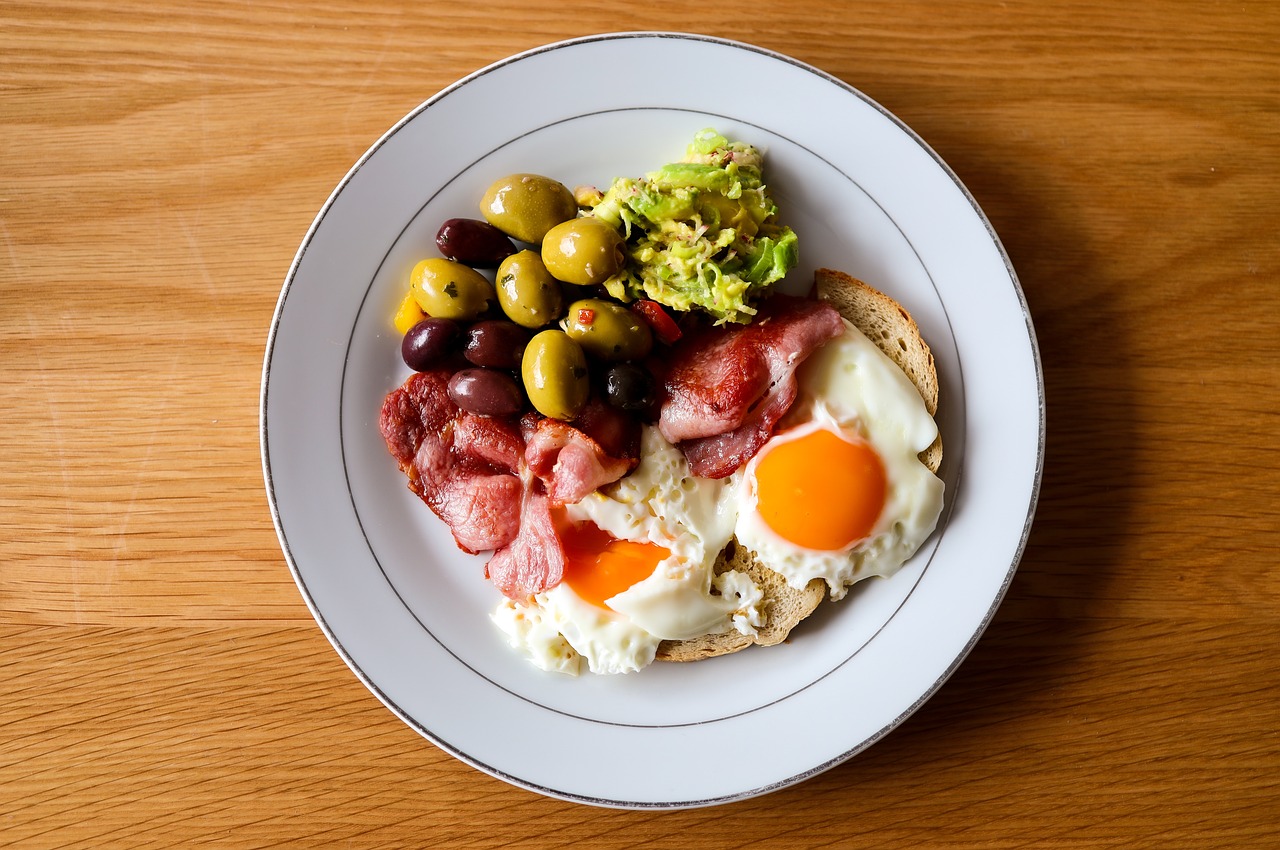
Incorporating protein into each meal, such as eggs for breakfast, chicken salad for lunch, and fish for dinner, can help meet your daily requirements. Additionally, consider a protein-rich snack between meals to maintain energy levels and support hair growth.
Safety & Precautions
-
Consult a Healthcare Provider: Before making significant dietary changes, especially if you have underlying health conditions, consult a healthcare professional.
Safety Note: Individual protein needs can vary widely based on health status and activity level. -
Avoid Overconsumption: While protein is vital, excessive intake can strain the kidneys over time.
Safety Note: Stick to recommended daily allowances to avoid potential health risks. -
Watch for Allergies: Some protein sources, like dairy or nuts, can trigger allergies in sensitive individuals.
Safety Note: Be aware of any allergic reactions and choose alternatives if necessary. -
Balance with Other Nutrients: Relying solely on protein without other essential nutrients can lead to deficiencies.
Safety Note: A well-rounded diet is crucial for overall health, including hair health. -
Hydration is Key: Drinking enough water is essential when increasing protein intake to support kidney function.
Safety Note: Aim for at least 8 cups of water daily, adjusting for activity levels.
5 Common Myths vs. Facts
-
Myth: Only animal proteins benefit hair health.
Fact: Plant-based proteins, such as legumes and nuts, are also effective for hair growth. -
Myth: High-protein diets always lead to hair loss.
Fact: Adequate protein supports hair health; imbalance or deficiency is usually the problem. -
Myth: You need supplements to get enough protein.
Fact: A balanced diet can provide sufficient protein for most individuals. -
Myth: Hair growth is solely determined by genetics.
Fact: Nutrition, including protein intake, plays a significant role in hair health. -
Myth: Hair can absorb protein from topical treatments.
Fact: Hair is made of keratin; it cannot absorb protein from the outside; it needs to be ingested.
The Final Verdict
Transforming your hair health is not just about using the right products; it’s also about nurturing your body from within. By incorporating protein-rich foods into your diet, you can significantly enhance your hair’s strength and appearance. With commitment and the right choices, you can achieve healthier, more vibrant hair. Embrace these dietary changes and watch your hair flourish.
Get Your FREE Natural Health Guide!
Subscribe now and receive our exclusive ebook packed with natural health tips, practical wellness advice, and easy lifestyle changes, delivered straight to your inbox.