
Contents
In Brief
- Safety: Generally safe for most people, with few side effects.
- Effectiveness: Supported by research showing benefits for sleep quality and anxiety reduction.
- Key Benefit: A natural alternative for those seeking improved sleep without pharmaceuticals.
You’ve tried everything to sleep, but your mind won’t shut off. Tossing and turning, you feel the weight of the world on your shoulders. The quest for a good night’s rest can seem endless, leaving you frustrated and exhausted.
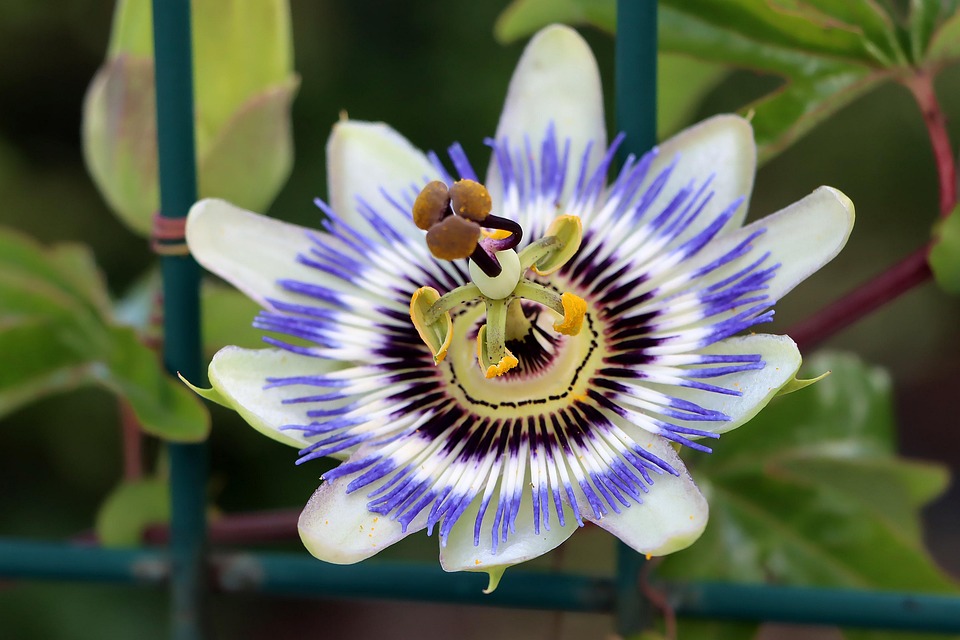
Natural remedies are gaining traction, and one such option is passionflower. This herb has been used for centuries to promote relaxation and improve sleep quality. Studies are beginning to support its use, making it a compelling choice for those weary of conventional medications.
Passionflower works by increasing levels of gamma-aminobutyric acid, or GABA, in the brain. This neurotransmitter plays a crucial role in calming the nervous system, which can lead to more restful sleep. If you are seeking a natural solution, passionflower might just be the answer you need.
Integrating passionflower into your nightly routine could transform your sleep experience. With its calming properties and minimal side effects, this herb offers a gentle approach to achieving the rest you deserve.
What the Research Says
Research indicates that passionflower may effectively improve sleep quality and reduce anxiety. A study published in the Journal of Clinical Pharmacy and Therapeutics found that participants who consumed passionflower extract reported significantly better sleep quality compared to those who did not. Another study in the journal Phytotherapy Research highlighted its potential to alleviate insomnia symptoms.
| Passionflower | Melatonin | Valerian Root |
|---|---|---|
| Natural herb, often used for anxiety and sleep | Hormone that regulates sleep-wake cycles | Herbal remedy, commonly used for insomnia |
| Increases GABA levels, promoting relaxation | Directly induces sleepiness | May take longer to show effects |
| Fewer side effects reported | Possible grogginess and dependency | Can cause digestive issues in some users |
The science suggests that passionflower’s natural properties make it a favorable option for those looking to improve their sleep without the side effects often associated with synthetic alternatives.
Effective Ways to Use This
-
Tea Preparation: Brewing passionflower tea is one of the simplest ways to incorporate this herb into your routine. Use dried leaves and flowers, steeping them in hot water for about 10 minutes. Enjoy this calming beverage 30 minutes before bedtime to help relax your mind and prepare for sleep.
-
Tinctures: Passionflower tinctures are concentrated extracts that can be taken sublingually. A few drops under the tongue can help you feel the effects quickly. This method is convenient for those who dislike the taste of herbal teas but still want to experience the benefits of passionflower.
-
Capsules: For those who prefer a more straightforward approach, passionflower capsules are available. They typically contain powdered extract and can be taken with water before bed. This option is great for those who travel frequently or have busy lifestyles.
-
Essential Oil: Passionflower essential oil can be used in aromatherapy. Add a few drops to a diffuser or mix it with a carrier oil for a calming massage. The soothing fragrance can create a peaceful environment conducive to restful sleep.
-
Combination Products: Some sleep aids combine passionflower with other herbs like chamomile or valerian root. These blends can enhance the overall calming effect, making it easier to drift off into a deep sleep.
-
Bedtime Routine: Incorporating passionflower into a calming bedtime routine can amplify its benefits. Consider a warm bath, followed by a cup of passionflower tea, to signal to your body that it is time to wind down.
-
Mindfulness Practices: Pairing passionflower consumption with mindfulness techniques, such as meditation or deep breathing exercises, can enhance its calming effects. Focusing on your breath while sipping tea can create a serene atmosphere that promotes better sleep.
Best Time & Dosage
The optimal time to take passionflower is approximately 30 to 60 minutes before bed. This allows enough time for the herb to take effect. Dosages can vary depending on the form you choose. For tea, one cup is typically sufficient. If using capsules or tinctures, follow the manufacturer’s recommendations, which usually suggest between 250 to 500 mg of extract.
Safety & Precautions
-
Consult Your Doctor: Always consult a healthcare professional before starting any new supplement, especially if you are pregnant, nursing, or taking medications.
Safety Note: Some medications may interact with passionflower, affecting their efficacy.
-
Start with a Low Dose: If you are new to passionflower, begin with a lower dosage to gauge your body’s response.
Safety Note: Starting low can help you avoid potential side effects, such as drowsiness.
-
Monitor Side Effects: Pay attention to how your body reacts after taking passionflower. Common side effects can include dizziness or gastrointestinal upset.
Safety Note: If you experience severe side effects, discontinue use and consult your doctor.
-
Avoid Alcohol: It is advisable to avoid alcohol when using passionflower, as both substances can have sedative effects.
Safety Note: Combining the two can amplify drowsiness and impair coordination.
-
Not for Everyone: Passionflower may not be suitable for individuals with certain medical conditions, such as liver disease or those undergoing surgery.
Safety Note: Always disclose your health history to your healthcare provider before starting new treatments.
5 Common Myths vs. Facts
-
Myth: Passionflower is only effective for anxiety.
Fact: While it does help with anxiety, it is also beneficial for improving sleep quality. -
Myth: Passionflower causes dependency.
Fact: Unlike some sleep medications, passionflower does not lead to dependency when used appropriately. -
Myth: All herbal remedies are safe.
Fact: Herbal supplements can interact with medications and may not be safe for everyone. -
Myth: Passionflower works instantly.
Fact: It may take time to notice significant effects, especially with regular use. -
Myth: You cannot use passionflower with other sleep aids.
Fact: It can be used in conjunction with other herbal remedies, but consult a healthcare provider first.
The Final Verdict
Passionflower presents a natural and effective alternative for improving sleep quality. With its calming properties and minimal side effects, it can be an invaluable addition to your nighttime routine. By exploring its various forms and integrating it into your evening rituals, you may find the restful sleep you have been longing for. Embrace this gentle herb and reclaim the restorative sleep you deserve.
Get Your FREE Natural Health Guide!
Subscribe now and receive our exclusive ebook packed with natural health tips, practical wellness advice, and easy lifestyle changes, delivered straight to your inbox.