
Contents
In Brief
- Safety: Herbal teas can be safe for most individuals, but certain herbs may interact with medications.
- Effectiveness: Some herbal teas show promise in promoting hair growth through improved circulation and nutrient delivery.
- Key Benefit: Regular consumption may enhance overall hair health and vitality.
You might feel frustrated after trying countless products to improve your hair growth, only to find minimal results. Hair thinning and loss can be distressing, impacting self-esteem and confidence. Surprisingly, herbal tea may offer a natural, soothing solution to support your hair growth journey.
Research suggests that specific herbal teas contain properties that can help nourish hair follicles, improve scalp health, and stimulate circulation. This holistic approach not only addresses hair concerns but also promotes overall wellness. The right blend can make a significant difference in your hair’s vitality and shine.
Imagine sipping a warm cup of herbal tea, knowing that each sip is working to fortify your hair from within. The journey to healthier hair can be enjoyable and relaxing when you incorporate herbal teas into your daily routine. This article delves into the evidence supporting herbal tea’s role in hair growth and how to effectively integrate it into your lifestyle.
Let’s explore the science behind these herbal brews and discover how they can become a cherished part of your hair care regimen.
What the Research Says
Herbal teas have been used for centuries in various cultures, often touted for their health benefits, including potential effects on hair growth. Research indicates that certain herbs can enhance circulation, improve scalp health, and provide essential nutrients that promote hair vitality.
A study published in the Journal of Medicinal Food highlighted the role of herbal extracts in improving hair growth through increased dermal papilla cell proliferation. Another research article in Phytotherapy Research showed that herbal infusions could significantly reduce hair loss and improve hair density.
| Herbal Tea | Common Alternative | Benefits for Hair Growth |
|---|---|---|
| Green Tea | Caffeine | Contains antioxidants that may reduce hair loss and stimulate growth. |
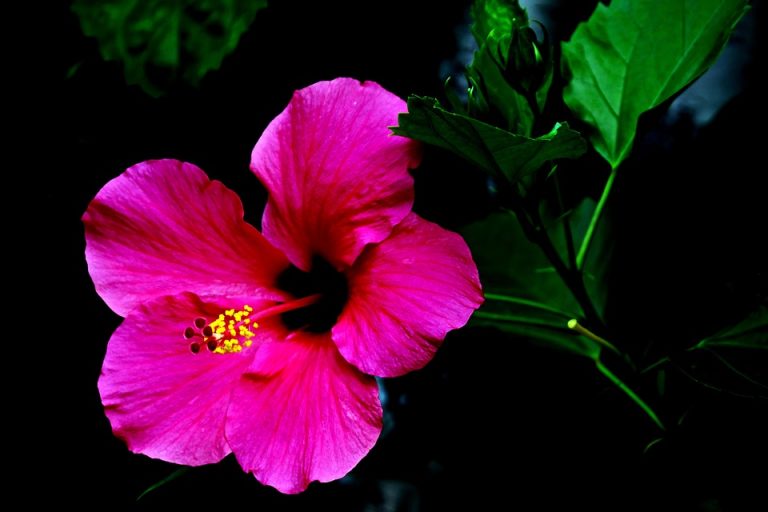
| Hibiscus Tea | Black Tea | Rich in vitamins and amino acids that promote hair health and strength. |
| Rooibos Tea | Herbal Supplements | High in minerals and antioxidants that nourish hair follicles. |
The evidence supports the idea that incorporating herbal teas into your daily routine can be a beneficial strategy for enhancing hair growth and overall hair health. Each herbal tea brings unique properties that can contribute positively to your hair journey.
Effective Ways to Use This
-
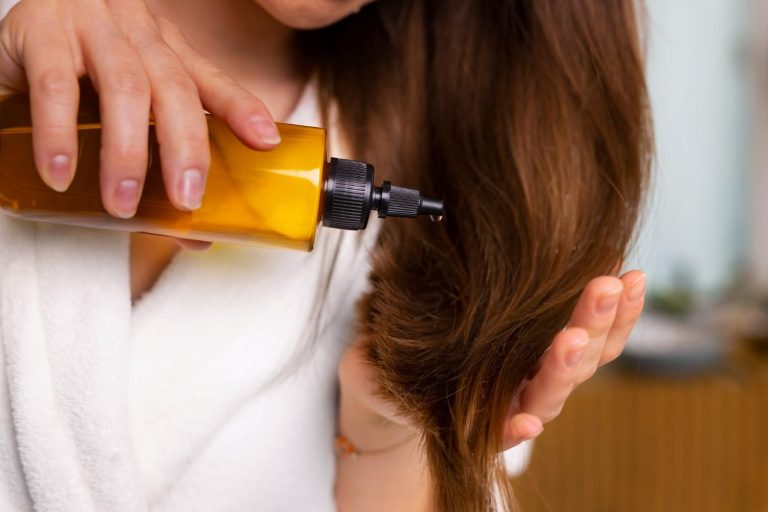
Green Tea Rinse: Brew green tea and allow it to cool. After shampooing, use it as a final rinse. The antioxidants in green tea can help reduce hair loss and promote a healthy scalp. Regular use may lead to shinier, healthier hair.
-
Hibiscus Infusion: Steep hibiscus flowers in boiling water. Drink this tea daily or use it as a rinse. Hibiscus is rich in vitamins and amino acids that nourish the hair and may prevent premature graying.
-
Rooibos Tea Treatment: Brew rooibos tea and let it cool. Use it as a scalp treatment before shampooing. This tea is packed with minerals that strengthen hair and stimulate growth, making it an excellent choice for those with thinning hair.
-
Nettle Tea: Drink nettle tea daily or use it as a hair rinse. Nettle is known for its high silica and sulfur content, which promote healthy hair and may help combat hair loss. It also improves blood circulation in the scalp.
-
Peppermint Tea: Brew peppermint tea and use it as a scalp massage oil after it cools. Peppermint oil is known to stimulate blood flow, which can encourage hair growth. Its invigorating scent also provides a refreshing experience.
-
Ginger Tea: Incorporate ginger tea into your routine for its anti-inflammatory properties. Drinking ginger tea can enhance circulation and improve scalp health, contributing to a more robust hair growth environment.
-
Chamomile Tea: Use chamomile tea as a gentle rinse after shampooing. It can lighten hair naturally while soothing the scalp. Its anti-inflammatory properties can help reduce irritation and promote a healthy environment for hair growth.
Best Time & Dosage
To maximize the benefits of herbal tea for hair growth, timing and dosage are crucial. Drinking 1-3 cups of herbal tea daily is generally considered effective. Morning and afternoon are ideal times to consume these teas, as they can provide hydration and essential nutrients throughout the day.
Using herbal tea as a rinse can be done 2-3 times a week. This frequency allows the beneficial properties to penetrate the scalp effectively without overwhelming the hair. Consistency is key; making herbal tea a regular part of your routine will yield the best results.
Safety & Precautions
-
Consult a Healthcare Provider: Always consult with a healthcare professional before adding new herbal teas to your regimen, especially if you are pregnant, nursing, or have underlying health conditions.
Safety Note: Some herbs may interact with medications or exacerbate health issues. -
Start with Small Amounts: If trying a new herbal tea, start with small quantities to gauge your body’s reaction.
Safety Note: This approach helps identify any potential allergies or sensitivities. -
Check for Quality: Use high-quality, organic herbal teas free from additives and preservatives.
Safety Note: Contaminants in low-quality teas can be harmful and may negate potential benefits. -
Monitor for Side Effects: Be aware of any adverse reactions, such as allergic reactions or digestive issues.
Safety Note: Discontinue use if you experience any negative effects. -
Avoid Excessive Consumption: While herbal teas can be beneficial, excessive intake may lead to unwanted side effects.
Safety Note: Stick to the recommended dosage to maintain a healthy balance.
5 Common Myths vs. Facts
-
Myth: Herbal tea can replace medications for hair loss.
Fact: While herbal tea can support hair health, it should not replace prescribed treatments without consulting a doctor. -
Myth: All herbal teas promote hair growth equally.
Fact: Different herbs have varying effects; some are more beneficial for hair growth than others. -
Myth: Drinking herbal tea will yield immediate results.
Fact: Hair growth is a gradual process; consistency and patience are essential for visible results. -
Myth: Herbal teas are completely safe for everyone.
Fact: Some individuals may experience allergies or interactions with medications; always consult a professional. -
Myth: You can only consume herbal teas hot.
Fact: Herbal teas can be enjoyed cold or as a rinse, providing flexibility in how you incorporate them into your routine.
The Final Verdict
Incorporating herbal tea into your hair care journey can be a delightful and beneficial experience. While it may not be a miracle solution, the evidence suggests that certain teas can support hair growth and improve overall hair health. By choosing the right herbal blends and consuming them consistently, you can nourish your hair from within and enjoy a holistic approach to beauty.
Embrace the journey, savor each cup, and watch as your hair flourishes with the love and care it deserves.
Get Your FREE Natural Health Guide!
Subscribe now and receive our exclusive ebook packed with natural health tips, practical wellness advice, and easy lifestyle changes, delivered straight to your inbox.