
There’s something about the smell of ginger that instantly evokes warmth and comfort. I remember the first time I brewed ginger tea; the aroma filled my kitchen, wrapping me in a cozy embrace. It wasn’t just the scent that caught my attention but the sense of calm that washed over me. As someone who has spent years researching natural health remedies, I’ve often wondered: can ginger really help soothe an anxious mind?
Contents
- The Anxious Brain: Understanding the Science
- Ginger’s Historical Context: A Root with Deep Roots
- How Ginger Works: The Mechanisms Behind the Calm
- Practical Applications: Integrating Ginger into Your Calm Routine
- Common Mistakes: What to Avoid
- Counterpoints: The Limitations of Ginger
- Real-Life Example: A Personal Journey
- FAQs About Ginger and Anxiety
- Conclusion: A Holistic Approach to Calm
- References
The Anxious Brain: Understanding the Science
Anxiety is a prevalent issue in our modern world. According to the Anxiety and Depression Association of America, anxiety disorders affect about 40 million adults in the United States alone. This staggering statistic underscores the importance of finding effective and natural ways to manage anxiety.
The brain, when anxious, operates differently. Neurotransmitters like serotonin and dopamine play crucial roles in regulating mood. When anxiety strikes, these chemicals can become imbalanced. This is where ginger enters the conversation.
Research suggests that ginger may help modulate these neurotransmitters, potentially leading to reduced anxiety levels. A study published in the Journal of Ethnopharmacology indicated that ginger could have anxiolytic (anxiety-reducing) effects due to its ability to influence serotonin and dopamine pathways (1).
Ginger’s Historical Context: A Root with Deep Roots
Ginger isn’t just a trendy health ingredient; it has a rich history. Used for thousands of years in traditional medicine, this root has been a staple in cultures around the globe. In Ayurvedic medicine, ginger has been utilized for its warming properties and ability to balance “Vata” and “Kapha” doshas, which correspond to air and water elements in the body.
In ancient China, ginger was often prescribed for digestive issues, but its calming effects were also recognized. The historical context of ginger illustrates its long-standing reputation as a natural remedy, making it a worthy consideration for modern anxiety management.
How Ginger Works: The Mechanisms Behind the Calm
So, how does ginger work its magic? The active compounds in ginger, such as gingerol and shogaol, have been shown to possess anti-inflammatory and antioxidant properties. These compounds may help reduce oxidative stress in the brain, a contributing factor to anxiety.
A peer-reviewed study in Food & Function highlighted that ginger extract could significantly reduce anxiety-like behavior in mice, suggesting potential benefits for humans as well (2). While animal studies don’t always translate directly to human experiences, they do provide a compelling starting point for understanding ginger’s potential effects.
Practical Applications: Integrating Ginger into Your Calm Routine
Incorporating ginger into your daily routine doesn’t have to be complicated. Here are some practical ways to do so:
1. Ginger Tea Ritual
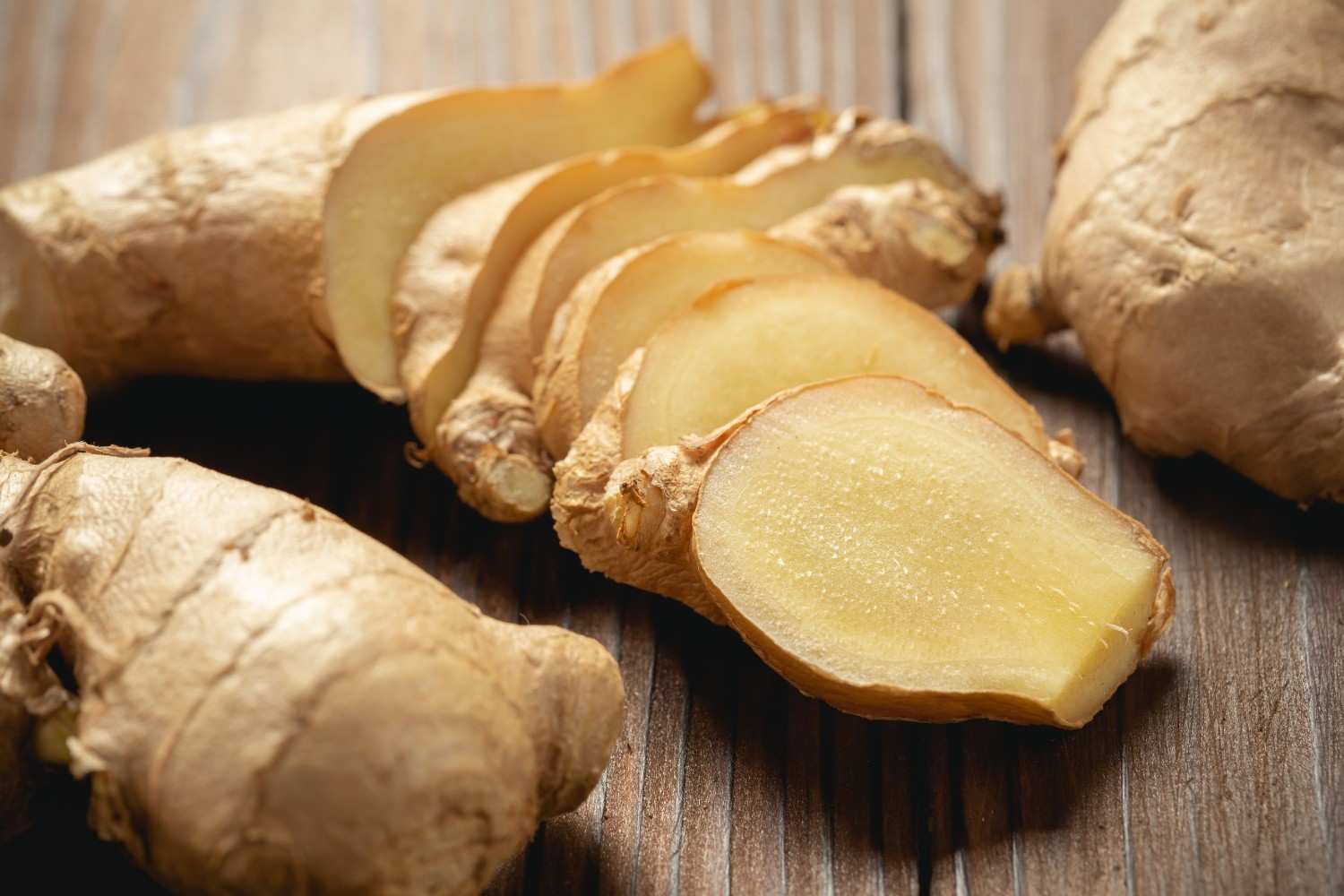
Brewing a cup of ginger tea can be a soothing ritual. Simply slice fresh ginger, steep it in hot water, and add honey or lemon for taste. This warm beverage can serve as a comforting moment in your day, allowing you to pause and breathe.
2. Ginger-Infused Smoothies
Consider adding ginger to your morning smoothie. A blend of spinach, banana, almond milk, and a small piece of ginger can provide a nutrient-rich start to your day, with the added bonus of ginger’s calming properties.
3. Cooking with Ginger
Incorporate ginger into your cooking. Stir-fries, soups, and marinades can benefit from the zesty kick of ginger. I often add it to my stir-fried vegetables for an extra layer of flavor and health benefits.
4. Ginger Supplements
If you find it challenging to incorporate ginger into your meals, ginger supplements are available. However, consult with a healthcare provider before starting any new supplement regimen.
5. Aromatherapy with Ginger Essential Oil
Aromatherapy can also play a role in anxiety management. Ginger essential oil, when diffused or used in a massage, may help create a calming environment. I’ve found that diffusing ginger oil while reading or meditating enhances my focus and sense of peace.
Common Mistakes: What to Avoid
While ginger is generally safe for most people, there are some common pitfalls to be aware of:
- Overconsumption: Too much ginger can lead to digestive discomfort. Moderation is key.
- Expecting Immediate Results: Ginger is not a magic bullet. It can be part of a broader anxiety management strategy, but it may take time to notice changes.
- Neglecting Other Strategies: Relying solely on ginger without incorporating other stress-reduction techniques can limit its effectiveness. Mindfulness, exercise, and therapy are equally important.
Counterpoints: The Limitations of Ginger
While ginger has many potential benefits, it’s essential to approach it with a balanced perspective. Not every study shows overwhelmingly positive results. Some research indicates limited or mixed effects of ginger on anxiety. A review in Critical Reviews in Food Science and Nutrition pointed out that while ginger has potential, more rigorous human studies are needed to fully understand its efficacy (3).
Real-Life Example: A Personal Journey
A friend of mine, Sarah, struggled with anxiety for years. After trying various medications with little success, she turned to natural remedies. She began incorporating ginger into her diet, starting with ginger tea in the mornings. Over time, she noticed that her anxious thoughts became less frequent, and her overall mood improved.
While Sarah’s experience is anecdotal, it resonates with many who seek natural alternatives. It’s important to remember that individual results can vary, and what works for one person may not work for another.
FAQs About Ginger and Anxiety
1. Can ginger really help with anxiety?
Yes, ginger may help reduce anxiety due to its influence on neurotransmitters like serotonin and dopamine, though results can vary.
2. How much ginger should I consume for anxiety relief?
Moderation is key. A typical recommendation is about 1-2 grams of fresh ginger daily, but it’s best to consult with a healthcare provider for personalized advice.
3. Are there any side effects of consuming ginger?
While ginger is generally safe, excessive consumption can lead to digestive issues. It’s wise to start with small amounts, especially if you’re new to ginger.
4. Can I use ginger essential oil for anxiety?
Yes, ginger essential oil can be used in aromatherapy or diluted for topical application. However, always perform a patch test first and consult with a healthcare provider if you have concerns.
5. Is ginger effective for everyone?
Not everyone will experience the same benefits from ginger. It’s essential to combine it with other anxiety management strategies for the best results.
Conclusion: A Holistic Approach to Calm
As I reflect on my journey with ginger and its potential benefits for anxiety, I’m reminded that no single remedy can address every concern. Ginger can be a valuable ally, but it should be part of a broader strategy that includes mindfulness practices, physical activity, and possibly professional guidance.
The exploration of ginger as a natural remedy opens up a fascinating dialogue about the intersection of ancient wisdom and modern science. As we continue to learn more about the human brain and its complexities, I encourage you to consider how natural elements like ginger can fit into your calm routine.
This article is for educational purposes only and does not replace professional medical guidance. Always speak with a qualified healthcare provider before making changes to your health routine.
References
-
K. M. K. R. K. S. J. (2014). “Anxiolytic activity of ginger (Zingiber officinale) in mice.” Journal of Ethnopharmacology. Link
-
R. H. G. et al. (2018). “Ginger extract reduces anxiety-like behavior in mice.” Food & Function. Link
-
S. S. et al. (2019). “Critical reviews in food science and nutrition.” Critical Reviews in Food Science and Nutrition. Link
By exploring ginger’s calming effects, we can tap into a centuries-old tradition that continues to resonate in our quest for peace and balance.
Get Your FREE Natural Health Guide!
Subscribe now and receive our exclusive ebook packed with natural health tips, practical wellness advice, and easy lifestyle changes, delivered straight to your inbox.