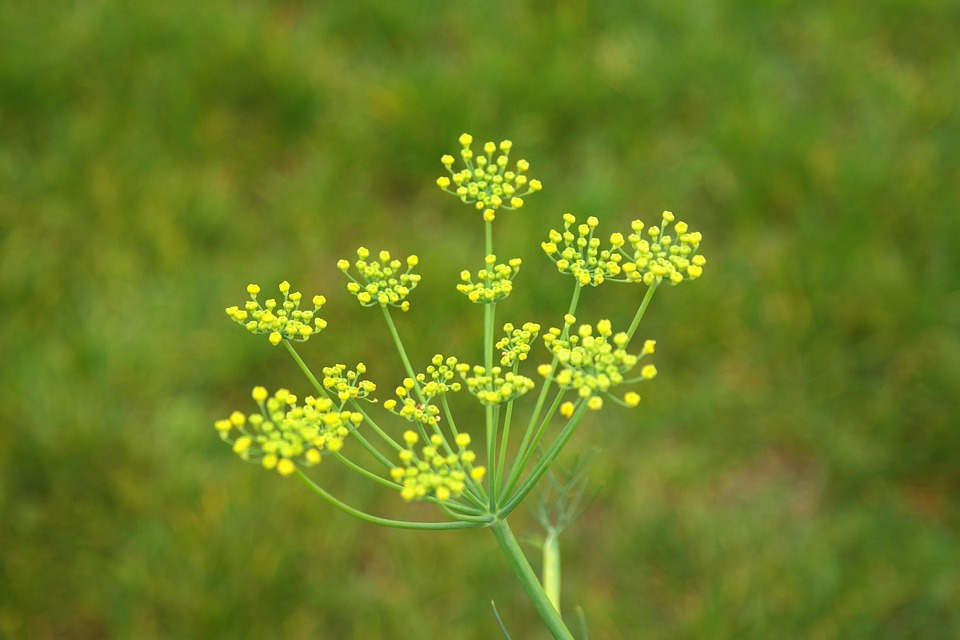

Exploring the Digestive Comfort from Detox Tea with Fennel Seeds
Many traditions across the globe have long valued the gentle warmth of herbal infusions for overall well-being. A specific blend that often captures attention is detox tea with fennel seeds, celebrated for its potential to support digestive harmony.
Understanding how certain botanicals interact with our internal systems provides a clearer picture of their traditional uses. Fennel, a plant with a history stretching back centuries, brings its distinctive character to these comforting preparations.
This guide delves into the specific properties of fennel seeds and how their inclusion in a daily tea ritual can contribute to a sense of balance within the digestive tract, moving beyond simple folklore to a more informed perspective.Fennel Seed’s Ancient Roots in Digestive Support
Fennel, known botanically as Foeniculum vulgare, has an extensive historical record. Its use dates back to ancient Egyptian, Roman, and Greek cultures, where it was esteemed for both culinary and wellness applications.
Ancient texts describe fennel as a plant that offered comfort after meals, often prepared as an infusion. This historical use provides a valuable context for its continued presence in traditional wellness practices worldwide.
From the Mediterranean basin to Ayurvedic practices in India, fennel seeds have been a consistent feature in dietary patterns intended to foster digestive ease. This cross-cultural consistency speaks volumes about its perceived benefits over millennia.
Historical Application Insights
- Origin: Mediterranean region.
- Traditional Use: Post-meal infusions for digestive comfort.
- Cultural Significance: Valued in Egyptian, Greek, Roman, and Ayurvedic traditions.
Preparing Traditional Fennel Infusions
To prepare a simple fennel seed tea, gently crush a teaspoon of whole seeds to release their aromatic compounds. Steep these crushed seeds in hot water for about 5 to 10 minutes, then strain.
Key Bioactive Compounds in Fennel Seeds and Their Influence
The distinctive aroma and many of the attributed benefits of fennel seeds arise from a complex interplay of volatile compounds. These natural constituents contribute to the overall character of the plant.
Among these, **anethole** stands out as a primary component. It gives fennel its characteristic licorice like scent and is a focus of much discussion regarding the plant’s traditional applications.
**Fenchone** and **estragole** are other notable volatile compounds found in fennel seeds. These compounds, alongside a range of flavonoids and coumarins, collectively contribute to the seed’s profile and are part of why it has been historically favored for digestive wellness.
Primary Bioactive Components
- Anethole: Dominant aromatic compound, responsible for licorice like flavor.
- Fenchone: Contributes to the distinctive taste and aroma.
- Estragole (Methyl Chavicol): Another key volatile compound.
- Other Constituents: Flavonoids, coumarins, and various fatty acids.
Understanding Compound Interactions
The combination of these various compounds is believed to create a synergistic effect. This means the overall impact may be greater than that of any single compound working in isolation, a common theme in botanical science.
How Fennel Seeds are Discussed for Digestive Comfort
When integrated into a detox tea, fennel seeds are often explored for their potential role in supporting the body’s natural processes related to digestion. This aligns with many traditional uses of the herb.
People often turn to fennel for its gentle influence on the digestive tract, which is generally discussed as helping to foster a feeling of ease and balance. The comfort it provides is a frequent topic of conversation.
The compounds within fennel seeds are often highlighted for their aromatic qualities. These qualities are generally associated with a soothing experience, which can be particularly welcome after larger meals or during periods of digestive sensitivity.
Digestive Wellness Support
- Traditional Perception: Helps minimize feelings of digestive discomfort.
- Aromatic Influence: Volatile compounds are linked to a calming sensation.
- General Wellness: Contributes to a sense of digestive balance.
Integrating Fennel into a Daily Wellness Routine
Consider preparing a cup of detox tea with fennel seeds as a gentle addition to your routine, perhaps after an evening meal to encourage a sense of post-digestive comfort.
The Role of Hydration and Fiber in Digestive Health
Beyond the specific compounds in fennel seeds, the broader context of a detox tea often emphasizes hydration. Water is fundamental for nearly every bodily function, including efficient digestion.
Adequate fluid intake helps soften the consistency of materials moving through the digestive system. This can support regularity and a feeling of comfortable transit.
Fennel seeds themselves contain dietary fiber, an essential component for digestive health. Fiber adds bulk, which is generally considered beneficial for supporting the normal movement of the digestive system. Research from the National Institute of Diabetes and Digestive and Kidney Diseases highlights fiber’s important role in overall gut function.
Hydration and Fiber’s Benefits
- Hydration: Supports proper stool consistency and digestive flow.
- Dietary Fiber: Adds bulk, assisting with regularity and bowel comfort.
- Overall Gut Function: Both are crucial for maintaining a well-functioning digestive system.
Enhancing Fluid Intake
Make a conscious effort to increase your daily water intake alongside any herbal infusions. This simple step can significantly support your digestive system’s hydration needs.
Common Misconceptions About “Detox Tea” and Digestive Function
The term “detox tea” can sometimes carry broad or unrealistic expectations. It is important to approach these teas with a grounded understanding of how they generally support the body.
The human body possesses its own sophisticated and highly efficient detoxification systems, primarily involving the liver and kidneys. These organs work continuously to process and eliminate waste products.
Herbal teas, including those with fennel seeds, are best viewed as complementary supports to these natural processes, not as rapid “cleanses” that dramatically override the body’s inherent functions. Their value lies in contributing to a healthy lifestyle that supports the body’s ongoing work.
Clarifying Detox Tea Expectations
- Body’s Natural Systems: Liver and kidneys are primary detoxification organs.
- Tea’s Role: Complementary support for healthy lifestyle and natural processes.
- Misconception: Not a quick fix for “flushing” toxins.
Adopting a Balanced Perspective
Focus on consistent, healthy lifestyle choices, including balanced nutrition and adequate hydration, to best support your body’s innate wellness functions.
Comparing Digestive Supports: Fennel Seeds versus Other Botanicals
While fennel seeds offer a distinct set of characteristics for digestive comfort, other botanicals are also frequently discussed for their contributions to gut wellness. Understanding their differences can help in choosing appropriate complementary approaches.
Ginger, for example, is well known for its warming properties and is often consumed as a tea to settle the stomach. Its active compounds, gingerols and shogaols, are frequently explored in discussions about digestive ease.
Peppermint, another popular choice, contains menthol, which is commonly associated with a cooling sensation and a feeling of digestive relaxation. Each botanical brings a unique profile to the realm of digestive support.
| Botanical | Key Compounds | Associated Digestive Benefit (General Discussion) |
|---|---|---|
| Fennel Seeds | Anethole, Fenchone | Contributes to a sense of post-meal comfort and balanced digestion. |
| Ginger Root | Gingerols, Shogaols | Often linked to a feeling of stomach settling and warmth. |
| Peppermint Leaf | Menthol | Frequently explored for a cooling and relaxing digestive sensation. |
| Chamomile Flowers | Apigenin, Bisabolol | Widely associated with promoting calm and general digestive ease. |
Choosing Complementary Herbs
When considering different herbal teas for digestive comfort, it can be helpful to explore the specific traditional uses and sensory experiences each botanical offers.
Sustainable Sourcing and Preparation of Fennel Seeds
The quality of botanical ingredients profoundly influences their potential benefits. Sourcing fennel seeds from reputable suppliers ensures you are receiving a high-quality product.
Look for organically grown fennel seeds when possible. This helps to avoid exposure to certain agricultural chemicals and supports sustainable farming practices, benefiting both the consumer and the environment.
When preparing detox tea with fennel seeds, ensure your water is clean and filtered. The method of preparation, including water temperature and steeping time, can influence the extraction of the beneficial compounds.
Best Practices for Fennel Tea
- Sourcing: Choose organic, reputable suppliers for quality seeds.
- Storage: Store seeds in an airtight container away from light and heat.
- Preparation: Use filtered water, steep for 5-10 minutes for optimal extraction.
Ensuring Optimal Tea Quality
Always use fresh, high-quality ingredients to maximize the potential comfort and enjoyment derived from your herbal infusions.
People with underlying conditions often work with a qualified healthcare professional for personalized guidance. This information is educational and not a substitute for medical advice.
Frequently Asked Questions
Can detox tea with fennel seeds aid in feeling less bloated?
Many individuals explore detox tea with fennel seeds to support a sense of digestive comfort, which can sometimes be associated with feelings of fullness. Fennel is generally discussed for its traditional role in fostering digestive ease.
Is it safe to drink fennel seed tea every day?
For most individuals, consuming fennel seed tea in moderate amounts as part of a regular wellness routine is generally considered acceptable. However, people with specific health considerations or sensitivities may wish to discuss their choices with a healthcare professional.
How quickly can I expect to feel effects from fennel seed tea?
The experience of digestive comfort from herbal teas, including those with fennel seeds, can vary among individuals. Some people report a sense of immediate ease, while for others, the benefits are part of a consistent, supportive routine.
Are there any ingredients that should be avoided with fennel seed tea?
Fennel seed tea is generally well tolerated. However, if you are consuming other herbal remedies or have specific health conditions, it is always a thoughtful approach to confirm compatibility with a qualified health professional.
The Bottom Line
Detox tea with fennel seeds offers a gentle, time-honored approach to supporting digestive comfort. Its rich history, coupled with the presence of unique aromatic compounds and essential fiber, positions it as a thoughtful addition to a wellness-focused lifestyle.
By understanding its traditional uses and appreciating its subtle contributions to the body’s natural processes, you can integrate this botanical infusion into your daily routine with clarity and intention. Its value lies in complementing a broader commitment to holistic well-being.
Consider preparing a warm cup of fennel seed tea as a daily ritual to support your journey towards greater digestive harmony and overall comfort.
Get Your FREE Natural Health Guide!
Subscribe now and receive our exclusive ebook packed with natural health tips, practical wellness advice, and easy lifestyle changes, delivered straight to your inbox.