
Contents
In Brief
- Safety: Generally safe for most individuals but consult a dentist if you have specific oral health issues.
- Effectiveness: Can help reduce plaque buildup and improve breath freshness.
- Key Benefit: A natural alternative to chemical mouthwashes, promoting oral health without harsh ingredients.
You may find yourself in a situation where you’ve just finished a meal, and your mouth feels less than fresh. The lingering taste of food can be bothersome, and traditional breath fresheners may not always do the trick. What if there was a natural solution that could not only freshen your breath but also help combat dental plaque?
Dental plaque, a sticky film of bacteria, is a common concern that can lead to cavities and gum disease. While regular brushing and flossing are essential, incorporating natural remedies can enhance your oral hygiene routine. One such remedy gaining attention is the sesame seed chew, which has been shown to have properties beneficial for oral health.
Research suggests that sesame seeds possess antibacterial properties and can contribute to plaque reduction. By incorporating sesame seed chewing into your routine, you may find a simple yet effective way to keep your smile bright and fresh. This method not only addresses breath concerns but also promotes overall dental health.
In the following sections, we will delve into the scientific evidence behind sesame seed chews, effective usage strategies, safety considerations, and common myths surrounding this natural remedy. Prepare to discover how a humble seed can make a significant impact on your dental hygiene.
What the Research Says
The scientific community has begun to explore the benefits of various natural substances for oral health, including sesame seeds. Rich in essential nutrients, sesame seeds have been shown to contain compounds that may help reduce plaque and improve gum health. A study published in the Journal of Periodontology found that sesame oil, when used as a mouth rinse, significantly reduced plaque levels and inflammation in participants.
Comparatively, traditional mouthwashes often contain alcohol and other harsh chemicals that can irritate oral tissues. These chemical-based products may provide temporary relief but often come with side effects, such as dry mouth. In contrast, sesame seeds offer a more holistic approach to oral hygiene, promoting natural healing and health.
The following table summarizes the effectiveness of dental plaque sesame seed chews compared to a common alternative, traditional mouthwash:
| Feature | Dental Plaque Sesame Seed Chew | Traditional Mouthwash |
|---|---|---|
| Natural Ingredients | Yes | Often includes chemicals |
| Antibacterial Properties | Yes | Varies by brand |
| Side Effects | Minimal | Possible irritation/dryness |
This table highlights the advantages of using sesame seeds as part of your oral care routine. The natural properties of sesame seeds can help maintain a healthier mouth environment, making them a valuable addition to your dental hygiene practices.
Effective Ways to Use This
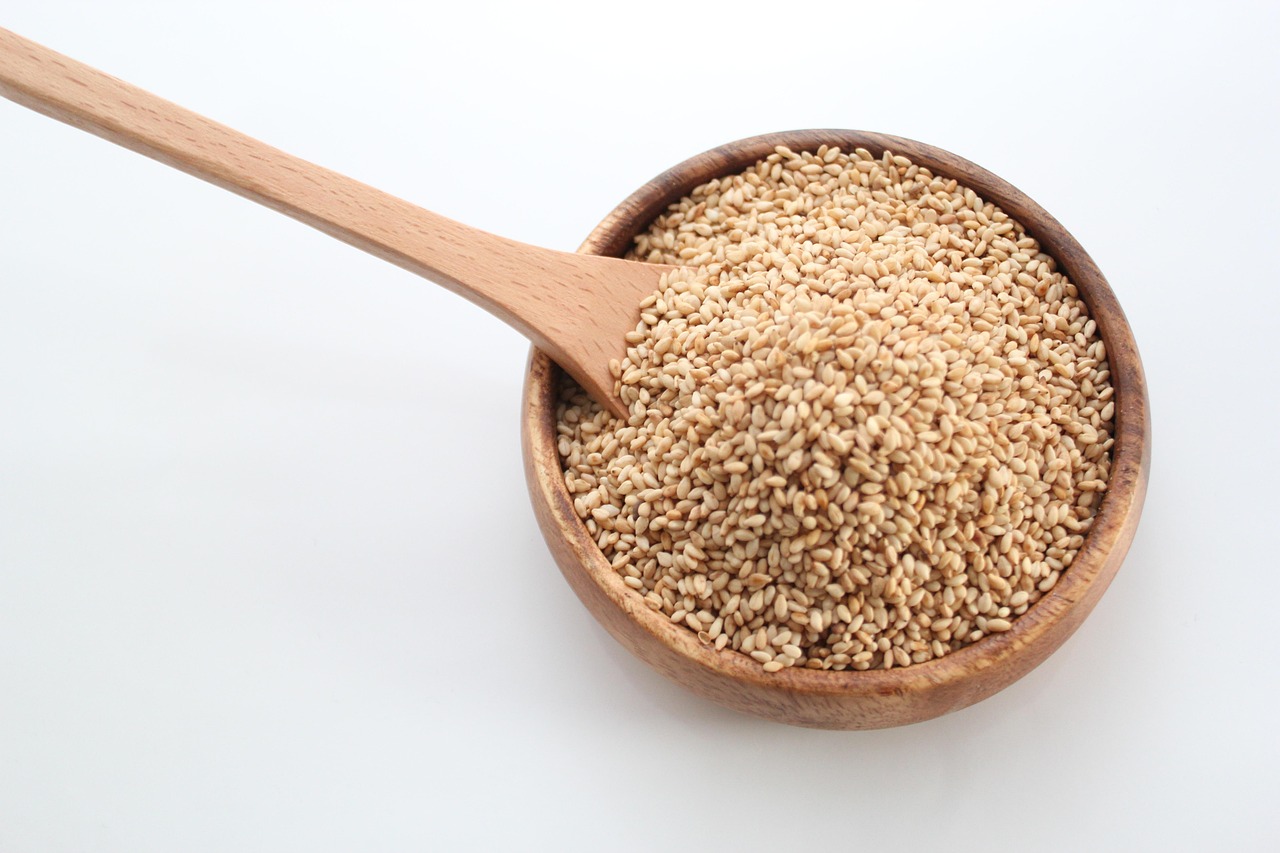
1. **Chew Raw Sesame Seeds**: Chewing raw sesame seeds can help dislodge food particles stuck between teeth. The mechanical action of chewing, combined with the natural oils released from the seeds, can create a cleansing effect that reduces plaque buildup.
-
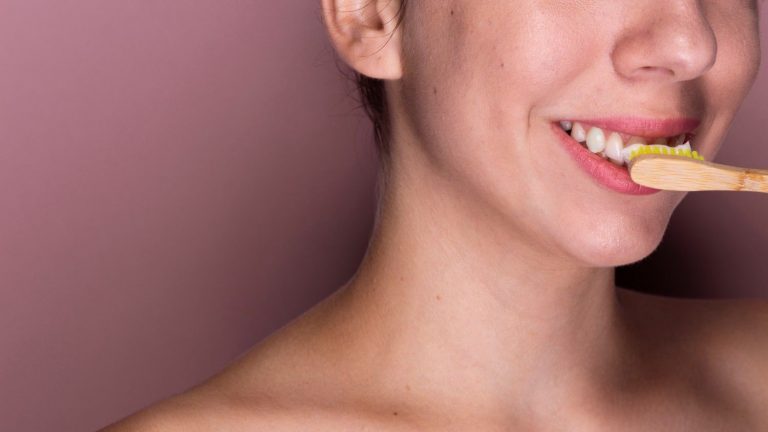
Make a Sesame Seed Paste: Grind sesame seeds into a fine paste and use it as a natural toothpaste. This paste can be applied to your toothbrush, providing a gentle abrasive action that helps remove plaque while also delivering nutrients to your gums.
-
Sesame Seed Oil Rinse: Swishing sesame oil in your mouth for about 10-15 minutes, a practice known as oil pulling, can help reduce harmful bacteria. This method not only freshens breath but also supports gum health by reducing inflammation.
-
Combine with Other Natural Ingredients: Mixing sesame seeds with other natural components like turmeric or coconut oil can enhance their benefits. These ingredients have their own antibacterial properties, creating a powerful concoction for oral health.
-
Incorporate into Snacks: Add sesame seeds to your diet in the form of snacks, granola bars, or salads. Regular consumption can help maintain oral health from the inside out, ensuring your teeth and gums receive essential nutrients.
-
Use as a Topping: Sprinkle sesame seeds on dishes or smoothies. This not only adds flavor but also provides ongoing benefits to your oral hygiene routine throughout the day.
-
Create a Daily Routine: Establish a daily habit of chewing sesame seeds after meals. This simple practice can help maintain fresh breath and reduce plaque accumulation as part of your overall dental care.
Best Time & Dosage
For optimal results, consider incorporating sesame seed chews into your routine after meals. This timing allows you to combat plaque buildup and freshen your breath right after eating.
A typical dosage would be about one to two tablespoons of raw sesame seeds per day. You can adjust this based on your personal preference and dietary habits. If you choose to make a sesame seed paste or oil rinse, a small amount (about a teaspoon) is usually sufficient.
Be attentive to how your body responds to this addition. If you experience any discomfort, it may be wise to consult with a dental professional to ensure that this method is right for you.
Safety & Precautions
1. **Consult Your Dentist**: Before starting any new oral health regimen, it’s wise to consult with your dentist. They can provide personalized advice based on your dental history.
Safety Note: Individual dental conditions may require tailored approaches.
-
Monitor for Allergies: Some individuals may be allergic to sesame seeds. If you have a known allergy to sesame or similar seeds, avoid using them.
Safety Note: Allergic reactions can range from mild to severe; always err on the side of caution.
-
Avoid Excessive Use: While sesame seeds are beneficial, overconsumption can lead to digestive discomfort. Stick to recommended dosages.
Safety Note: Moderation is key to enjoying the health benefits without adverse effects.
-
Watch for Oral Irritation: If you notice any irritation in your mouth after using sesame seeds, discontinue use and consult with a healthcare provider.
Safety Note: Oral sensitivity can vary among individuals; pay attention to your body’s signals.
-
Maintain Regular Dental Check-ups: Regular visits to your dentist are crucial for monitoring oral health and ensuring that your practices are effective.
Safety Note: Professional guidance can help you maintain optimal oral health.
5 Common Myths vs. Facts
1. **Myth**: Sesame seeds can replace brushing.
**Fact**: While beneficial, they should complement regular brushing and flossing, not replace them.
-
Myth: All mouthwashes are better than natural remedies.
Fact: Many commercial mouthwashes contain alcohol and chemicals that can irritate, whereas natural remedies like sesame seeds are gentler. -
Myth: Chewing sesame seeds is only for freshening breath.
Fact: They also help reduce plaque buildup and improve overall gum health. -
Myth: Sesame seeds can cause cavities.
Fact: When used properly, they can actually help protect against cavities by reducing plaque. -
Myth: Natural remedies take longer to work.
Fact: Many people experience immediate breath freshness after using sesame seeds, showing quick benefits.
The Final Verdict
Incorporating dental plaque sesame seed chews into your oral care routine can be a delightful and effective way to enhance your dental hygiene. By leveraging the natural properties of sesame seeds, you can combat plaque buildup and enjoy fresher breath without relying on harsh chemicals.
As you explore this natural remedy, remember that consistency is key. Embrace this simple addition to your routine and watch as it contributes to a brighter, healthier smile.
Get Your FREE Natural Health Guide!
Subscribe now and receive our exclusive ebook packed with natural health tips, practical wellness advice, and easy lifestyle changes, delivered straight to your inbox.