
Contents
In Brief
- Safety: Generally safe; however, individuals with allergies to plants in the Asteraceae family should avoid it.
- Effectiveness: Studies suggest chamomile has anti-inflammatory and analgesic properties that can alleviate gum discomfort.
- Key Benefit: Provides a natural, soothing rinse to ease gum line pain without harsh chemicals.
You wake up one morning with a dull ache along your gum line, a nagging discomfort that makes every bite feel like a chore. What if there was a natural remedy that could help? Chamomile, a herb known for its calming properties, may offer a gentle solution for easing gum pain.
Research indicates that chamomile has anti-inflammatory and analgesic effects. These properties can soothe irritated gums, providing relief without the side effects often associated with over-the-counter medications. For many, turning to nature can be a comforting choice.
Using a chamomile wash is simple and can be incorporated into your daily routine. As you explore this natural remedy, you’ll find that it not only alleviates discomfort but also promotes overall oral health.
Incorporating chamomile into your oral care regimen could be the gentle touch your gums need. Let’s delve into the science behind chamomile and how it can be a beneficial addition to your oral hygiene practices.
What the Research Says
Chamomile, derived from the flower of the Matricaria chamomilla plant, has been used for centuries for its therapeutic properties. Research highlights its effectiveness in reducing inflammation and pain, making it a potential ally for those experiencing gum line discomfort.
A study published in the Journal of Clinical Periodontology found that chamomile extract significantly reduced inflammation in patients with gum disease. Its active compounds, such as bisabolol and chamazulene, contribute to its soothing effects.
| Chamomile Wash | Over-the-Counter Pain Reliever | Natural Alternative |
|---|---|---|
| Anti-inflammatory | Often contains synthetic ingredients | Herbal and caffeine-free |
| Gentle on gums | May cause side effects | Non-toxic |
| Promotes relaxation | Can lead to dependency | Safe for daily use |
These findings suggest that chamomile could serve as an effective natural remedy for managing gum line pain. Its ability to promote relaxation also makes it beneficial for reducing stress, which can exacerbate oral discomfort.
Effective Ways to Use This
1. **Chamomile Tea Rinse**: Brew a strong chamomile tea and let it cool. Swishing this warm infusion around your mouth can help reduce inflammation and soothe your gums. The warmth enhances blood circulation, promoting healing.
-
Chamomile Compress: Soak a clean cloth in chamomile tea and apply it directly to the affected area. This localized treatment can provide targeted relief and help reduce swelling in your gums.
-
Chamomile Mouthwash: Create a homemade mouthwash by steeping chamomile flowers in water. Use this solution after brushing your teeth to rinse away bacteria and calm irritated gums.
-
Chamomile Oil Application: Dilute chamomile essential oil with a carrier oil and gently massage it onto your gum line. This method uses the oil’s anti-inflammatory properties directly where you need it most.
-
Chamomile and Honey Paste: Mix chamomile tea with honey to form a paste. Applying this mixture to your gums can harness the antibacterial properties of honey while providing soothing relief from pain.
-
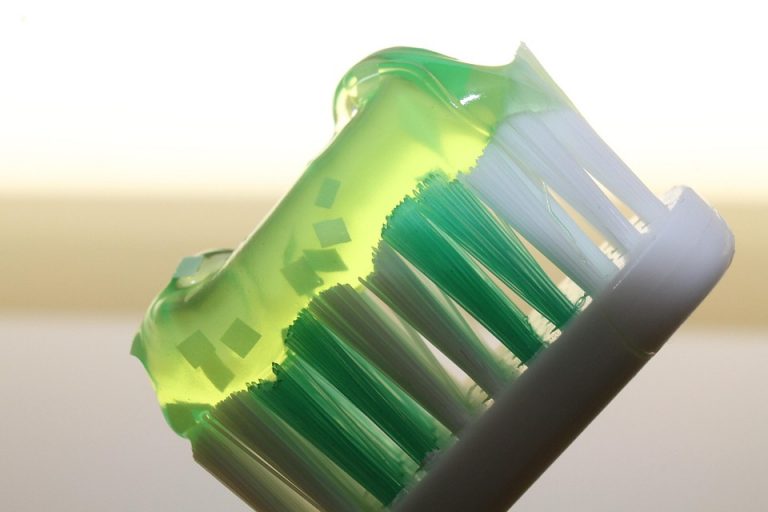
Chamomile Infused Toothpaste: Add chamomile extract to your regular toothpaste for a soothing brushing experience. This method can help maintain gum health while enhancing your oral care routine.
-
Chamomile Soak for Mouth Ulcers: If you have ulcers along your gum line, a chamomile soak can provide relief. The anti-inflammatory properties help reduce pain and promote healing.
Best Time & Dosage
For optimal results, using chamomile wash twice daily is recommended. After brushing your teeth in the morning and before bed, swish the chamomile rinse around your mouth for about 30 seconds. This routine helps to maintain gum health and alleviate discomfort consistently.
If you’re using chamomile tea as a rinse, one cup brewed should suffice for each use. For topical applications, a few drops of chamomile oil diluted in a carrier oil can be used as needed. Always listen to your body and adjust based on your comfort level.
Safety & Precautions
1. **Allergy Awareness**: Be cautious if you are allergic to plants in the Asteraceae family, including ragweed.
Safety Note: Consult a healthcare provider if you have known allergies before using chamomile.
-
Pregnancy and Nursing: Pregnant or nursing women should consult their doctor before use.
Safety Note: Some herbal remedies may not be suitable during pregnancy. -
Interactions with Medications: Chamomile can interact with certain medications, particularly blood thinners.
Safety Note: Discuss with your healthcare provider if you are on any medication. -
Dosage Limitations: Overusing chamomile can lead to adverse effects, such as nausea.
Safety Note: Stick to recommended dosages for safety. -
Oral Hygiene Practices: Chamomile should complement, not replace, standard dental care practices.
Safety Note: Regular brushing and flossing remain essential for oral health.
5 Common Myths vs. Facts
1. **Myth**: Chamomile is only for tea.
**Fact**: Chamomile can be used in various forms, including washes and topical applications.
-
Myth: Natural remedies are always safe.
Fact: Natural does not mean risk-free; allergies and interactions are possible. -
Myth: Chamomile is a cure-all.
Fact: While beneficial, chamomile is not a substitute for professional dental care. -
Myth: You can use any chamomile product for oral care.
Fact: Only use products specifically made for oral hygiene. -
Myth: Chamomile will instantly relieve pain.
Fact: While it can soothe, results may vary and take time.
The Final Verdict
Chamomile wash offers a natural, gentle way to alleviate gum line pain. Its anti-inflammatory properties can provide soothing relief, making it a valuable addition to your oral care routine. Embracing this herbal remedy may not only ease discomfort but also enhance your overall gum health.
Get Your FREE Natural Health Guide!
Subscribe now and receive our exclusive ebook packed with natural health tips, practical wellness advice, and easy lifestyle changes, delivered straight to your inbox.