
Swollen gums can be a frustrating and painful experience. They can make eating, speaking, and even brushing your teeth uncomfortable. For many, traditional treatments can feel insufficient or come with unwanted side effects. Enter the humble honey wash—a natural remedy that’s gaining traction for its soothing properties. But does it really work? Let’s explore how incorporating honey into your oral care routine can help alleviate those pesky swollen gums.
Contents
Understanding Swollen Gums
Before diving into the potential benefits of a honey wash, it’s essential to understand what causes swollen gums. Gingivitis, an inflammation of the gums, is one of the most common reasons. Factors contributing to this condition include:
- Poor oral hygiene: Inadequate brushing and flossing can lead to plaque buildup.
- Nutritional deficiencies: Lack of vitamin C, for example, can weaken gum tissue.
- Hormonal changes: Menstruation, pregnancy, and menopause can all affect gum health.
- Certain medications: Some drugs can cause dry mouth, leading to gum issues.
If you’ve ever experienced swollen gums, you know how uncomfortable they can be, but the good news is that there are natural ways to find relief.
The Magic of Honey
Honey has been revered for centuries, not just as a sweetener but also for its medicinal properties. Known for its antibacterial and anti-inflammatory effects, honey can be particularly beneficial for oral health.
Historical Context
Historically, honey has been used in various cultures for its healing properties. Ancient Egyptians used it to treat wounds, while traditional Ayurvedic medicine often includes honey in remedies for oral health. The idea of using honey to soothe swollen gums isn’t new; it’s simply a revival of ancient wisdom.
The Science Behind Honey’s Efficacy
Recent studies have started to back up the historical claims. For instance, a study published in the Journal of Medicinal Food highlighted honey’s antimicrobial properties, noting that it effectively combats oral pathogens, including those responsible for gum disease (1). Another study from the International Journal of Dentistry pointed out that honey can reduce plaque formation and inflammation (2).
These findings align with anecdotal evidence I’ve gathered over time. Many people in my community swear by honey for various ailments, including swollen gums. Their stories reflect a blend of cultural tradition and modern understanding.
How to Use a Honey Wash for Swollen Gums
Using honey as a mouthwash is relatively straightforward, but there are a few steps you can follow to maximize its benefits.
Step 1: Choose the Right Honey
Not all honey is created equal. Raw, unprocessed honey retains the most beneficial properties. Manuka honey, in particular, is known for its potent antibacterial effects due to the presence of methylglyoxal (MGO). If you’re serious about using honey for gum health, consider investing in high-quality honey.
Step 2: Prepare Your Honey Wash
To create a honey wash:
- Ingredients: Mix one tablespoon of raw honey with a cup of warm water.
- Optional Add-Ins: For added benefits, you might consider adding a few drops of essential oils like tea tree or peppermint, known for their antimicrobial properties.
Step 3: Rinse
Swish the honey wash around your mouth for about 30 seconds to one minute. Make sure to cover all areas, especially those that feel swollen. Spit it out afterward, but avoid rinsing with water immediately to allow the honey’s properties to linger.
Step 4: Frequency
For best results, incorporate this honey wash into your daily oral hygiene routine, ideally after brushing your teeth.
Real-Life Examples
I’ve spoken with several individuals who have incorporated honey washes into their routines. One friend, Sarah, had persistent gum issues due to hormonal changes. After using a honey wash daily for a month, she noticed a significant reduction in swelling and discomfort.
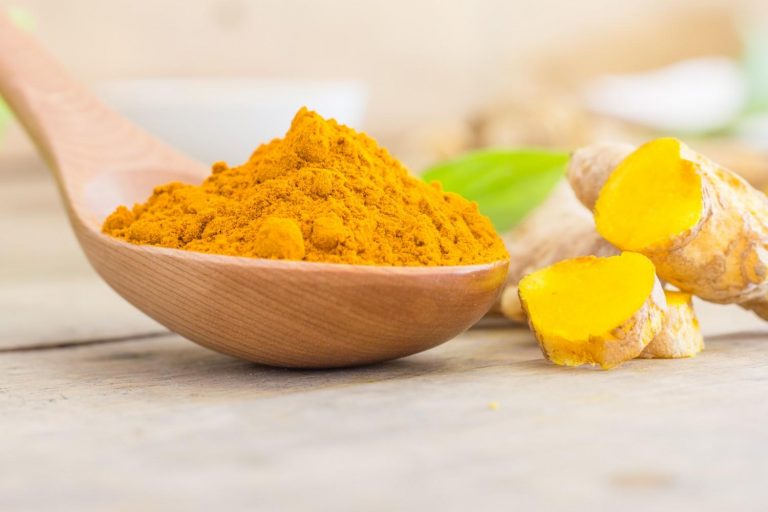
Another anecdote comes from a local herbalist who swears by honey’s benefits. She often combines it with turmeric for an even more potent remedy. “Turmeric has its own anti-inflammatory benefits,” she told me, “but when paired with honey, it creates a powerhouse for oral health.”
Common Mistakes and Caveats
While honey is generally safe for most people, there are some common pitfalls and considerations:
- Not all honey is effective: As mentioned, processed honey lacks many beneficial properties. Always opt for raw or Manuka honey.
- Watch for allergies: If you have a history of allergies to bee products, consult with a healthcare provider before trying honey.
- Sugar content: Honey is still sugar. Overuse can lead to other dental issues if not managed properly.
When to Consult a Professional
If swelling persists despite using a honey wash, it’s crucial to consult a dentist. Oral health issues can be indicative of larger health problems, and timely intervention is essential.
Myth vs. Reality
Myth: Honey Can Replace Professional Dental Care
While honey has its benefits, it should not replace regular dental check-ups and good oral hygiene practices.
Reality: Honey Can Be a Complementary Treatment
Using honey as a wash can complement your dental routine. It’s not a miracle cure, but it may help reduce inflammation and promote healing when used alongside traditional methods.
Cultural Perspectives
In many cultures, natural remedies like honey are staples in healthcare. In Japan, for example, honey is frequently used in conjunction with green tea for its health benefits. This cultural appreciation for natural remedies often leads to a more holistic approach to health, blending traditional wisdom with modern science.
FAQs
1. How often should I use a honey wash?
Using a honey wash once or twice a day can be beneficial, especially after brushing your teeth.
2. Can children use honey washes?
Yes, but ensure they are over one year old, as honey should not be given to infants due to the risk of botulism.
3. Is there any scientific evidence supporting honey for gum health?
Yes, several studies have shown honey’s antibacterial and anti-inflammatory properties, which can help improve gum health.
4. Can I use flavored honey?
While flavored honey can be enjoyable, it may contain additional sugars or additives. Stick to raw, pure honey for the best results.
5. What should I do if my swollen gums don’t improve?
If symptoms persist, consult with a dental professional for a thorough examination and appropriate treatment.
Conclusion
The journey to healthier gums can be complex, but incorporating a honey wash into your routine may provide relief and promote healing. While the scientific backing is still evolving, the historical and anecdotal evidence points to honey’s potential as a natural remedy.
As we continue to explore natural health options, honey stands out as a multifaceted solution that not only tastes good but may also contribute positively to our oral health. Who knows? Perhaps the future of gum care lies in the sweet embrace of nature.
Medical Disclaimer: This article is for educational purposes only and does not replace professional medical guidance. Always speak with a qualified healthcare provider before making changes to your health routine.
References
-
Al-Waili, N. S., & Saloom, K. (2011). “Honey and Health: A Review.” Journal of Medicinal Food, 14(8), 895-902. Link to study
-
Mohd Ali, M. I., et al. (2015). “The Effect of Honey on Oral Health: A Systematic Review.” International Journal of Dentistry. Link to study
-
“Honey and Health: A Review.” Harvard Health Publishing. Link to article
Get Your FREE Natural Health Guide!
Subscribe now and receive our exclusive ebook packed with natural health tips, practical wellness advice, and easy lifestyle changes, delivered straight to your inbox.