
Contents
In Brief
- Safety: Generally safe for most individuals, but consult a dentist if unsure.
- Effectiveness: Research supports its antibacterial properties against plaque.
- Key Benefit: A natural alternative to chemical mouthwashes.
You’ve just returned from the dentist, and the dreaded words “dental plaque” echo in your mind. You might feel overwhelmed by the idea of using harsh chemicals or frequent dental visits to tackle this common issue. What if there was a natural solution right in your kitchen?
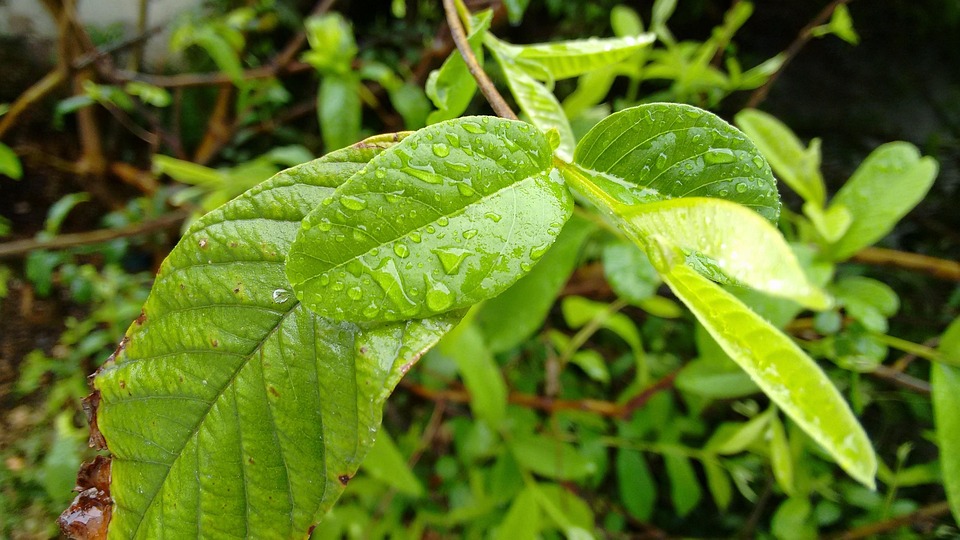
Guava leaves, often overlooked, have been used in traditional medicine for centuries. Their potential benefits for oral health are gaining attention, particularly in combating dental plaque. The active compounds found in guava leaves, such as flavonoids and tannins, have shown promise in studies, making this simple rinse an intriguing option.
Research suggests that guava leaf extracts possess antibacterial properties that could help reduce the bacteria responsible for plaque buildup. This natural remedy may offer a gentle yet effective way to maintain oral hygiene without the side effects associated with commercial mouthwashes.
Incorporating a guava leaf rinse into your daily routine could be a game-changer for your dental health. Let’s explore the science behind it and how you can effectively use this natural rinse to tackle plaque head-on.
What the Research Says
Numerous studies have highlighted the antibacterial and anti-inflammatory properties of guava leaves. One study published in the “Journal of Medicinal Plants Research” found that guava leaf extracts significantly reduced plaque formation and bacterial growth in dental biofilms. This is crucial because dental plaque can lead to more severe issues like gingivitis and tooth decay.
A comparative study evaluated the effectiveness of a guava leaf rinse against a common commercial mouthwash. The results showed that while both options reduced plaque, the guava leaf rinse had a comparable effect with fewer adverse reactions.
Here’s a comparative overview:
| Guava Leaf Rinse | Commercial Mouthwash | Key Differences |
|---|---|---|
| Natural ingredients | Contains synthetic chemicals | Less chance of irritation |
| Antibacterial properties | Varies by brand | Effectiveness can differ |
| Minimal side effects | Potential for dry mouth or taste alteration | Better for sensitive users |
The evidence points to guava leaves being not only effective in managing dental plaque but also a safer option for those looking to avoid chemicals. This makes it a viable addition to your oral care regimen.
Effective Ways to Use This
-
Prepare a Simple Rinse: Boil a handful of fresh guava leaves in water for about 10 minutes. Once cooled, strain the liquid and use it as a mouthwash. This simple preparation allows you to harness the antibacterial properties of the leaves effectively.
-
Daily Oral Hygiene Routine: Incorporate the guava leaf rinse into your daily oral hygiene routine after brushing your teeth. Swish it around for 30 seconds to 1 minute. This regular usage can help maintain gum health and reduce plaque accumulation.
-
Add Essential Oils: For added benefits, consider adding a few drops of peppermint or tea tree essential oil to the guava leaf rinse. These oils also have antibacterial properties and can enhance the flavor, making the rinse more enjoyable.
-
Use as a Post-Meal Rinse: After meals, use the guava leaf rinse to help wash away food particles and bacteria. This can be particularly beneficial for those who are prone to plaque buildup, as it helps keep the mouth clean throughout the day.
-
Combine with Other Herbal Remedies: Mix the guava leaf rinse with other herbal infusions, such as chamomile or sage, to enhance its effectiveness. These herbs also offer additional oral health benefits and can create a more pleasant taste.
-
Store Properly: If you prepare a larger batch, store the guava leaf rinse in a dark glass bottle in the refrigerator. It can last for up to a week, allowing you to have it on hand whenever needed.
-
Monitor Your Oral Health: Keep track of your oral health as you incorporate the guava leaf rinse. Notice any changes in plaque buildup or gum sensitivity, and adjust your usage accordingly. Consulting with your dentist can help ensure you’re on the right track.
Best Time & Dosage
Timing is crucial when using a guava leaf rinse. The best practice is to use it twice daily—once in the morning after brushing and once before bedtime. This routine helps ensure that your mouth stays clean and free from plaque buildup throughout the day and night.
For dosage, a standard recommendation is to use about 15-20 milliliters of the rinse each time. This amount is sufficient to swish around your mouth effectively without being overwhelming. Remember to avoid swallowing the rinse; it’s meant for oral use only.
Safety & Precautions
-
Consult Your Dentist: Before trying a guava leaf rinse, talk to your dentist, especially if you have existing dental issues.
Safety Note: They can provide personalized advice based on your oral health history. -
Monitor Allergic Reactions: Some individuals may experience allergic reactions to guava leaves.
Safety Note: If you notice any discomfort, discontinue use immediately and consult a healthcare professional. -
Use Fresh Leaves: Always use fresh guava leaves to ensure maximum potency and effectiveness.
Safety Note: Dried leaves may not provide the same benefits and could lead to inconsistent results. -
Avoid Excessive Use: While natural, overuse of any rinse can disrupt your mouth’s natural flora.
Safety Note: Stick to the recommended dosage and frequency to maintain balance. -
Store Safely: Keep the prepared rinse in a cool, dark place to prevent spoilage.
Safety Note: Discard any rinse that appears discolored or has an off smell.
5 Common Myths vs. Facts
-
Myth: Guava leaves are ineffective for dental health.
Fact: Research supports their antibacterial properties, making them effective against plaque. -
Myth: Natural remedies are always safe.
Fact: While generally safe, natural does not mean risk-free; allergies can occur. -
Myth: You can replace brushing with a guava leaf rinse.
Fact: Rinses should complement, not replace, regular brushing and flossing. -
Myth: All natural rinses have the same effect.
Fact: The effectiveness varies; guava leaves have unique properties that can benefit oral health. -
Myth: Guava leaves can cure dental diseases.
Fact: They can aid in prevention but are not a substitute for professional dental care.
The Final Verdict
Incorporating a guava leaf rinse into your oral hygiene routine can be a simple yet powerful way to combat dental plaque naturally. With its proven antibacterial properties and minimal side effects, it stands out as a viable alternative to chemical mouthwashes. As with any health regimen, consistency is key. Regular use, coupled with good dental practices, can significantly improve your oral health. Embrace this natural remedy and take a proactive step toward a healthier smile.
Get Your FREE Natural Health Guide!
Subscribe now and receive our exclusive ebook packed with natural health tips, practical wellness advice, and easy lifestyle changes, delivered straight to your inbox.