
Many individuals experience discomfort associated with urinary tract issues, which can significantly impact their quality of life. Symptoms such as frequent urination, burning sensations, and lower abdominal pain often arise unexpectedly and can leave one feeling vulnerable and anxious. While conventional treatments exist, many seek natural remedies that can provide relief without the side effects commonly associated with pharmaceuticals. Herbal teas have emerged as a popular solution, offering a soothing experience while targeting the underlying causes of urinary discomfort.

Herbal teas not only provide hydration but also contain a variety of compounds that can support urinary tract health. Ingredients like cranberry, dandelion, and nettle are known for their diuretic properties, which can help flush out bacteria and reduce inflammation. By integrating herbal teas into daily routines, individuals can create a proactive approach to maintaining urinary wellness. Understanding which herbs are most effective and how to prepare them is crucial for maximizing their benefits.
This guide delves into the use of herbal teas specifically formulated for urinary tract and bladder relief. It provides practical applications, explores common mistakes, and examines the science behind these natural remedies. By the end of this guide, readers will be equipped with the knowledge needed to make informed choices about incorporating herbal teas into their wellness routines.
Embracing herbal teas as part of a comprehensive wellness strategy can lead to meaningful improvements in urinary health. The following sections outline how to effectively use these natural remedies, the potential pitfalls to avoid, and the scientific rationale that supports their efficacy.
Contents
How to Use Herbal Tea for Real Results
- Best Form: Loose leaf or tea bags
- Best Time: Morning or after meals
- Expected Result: Enhanced hydration and relief from urinary discomfort
For Daily Protection
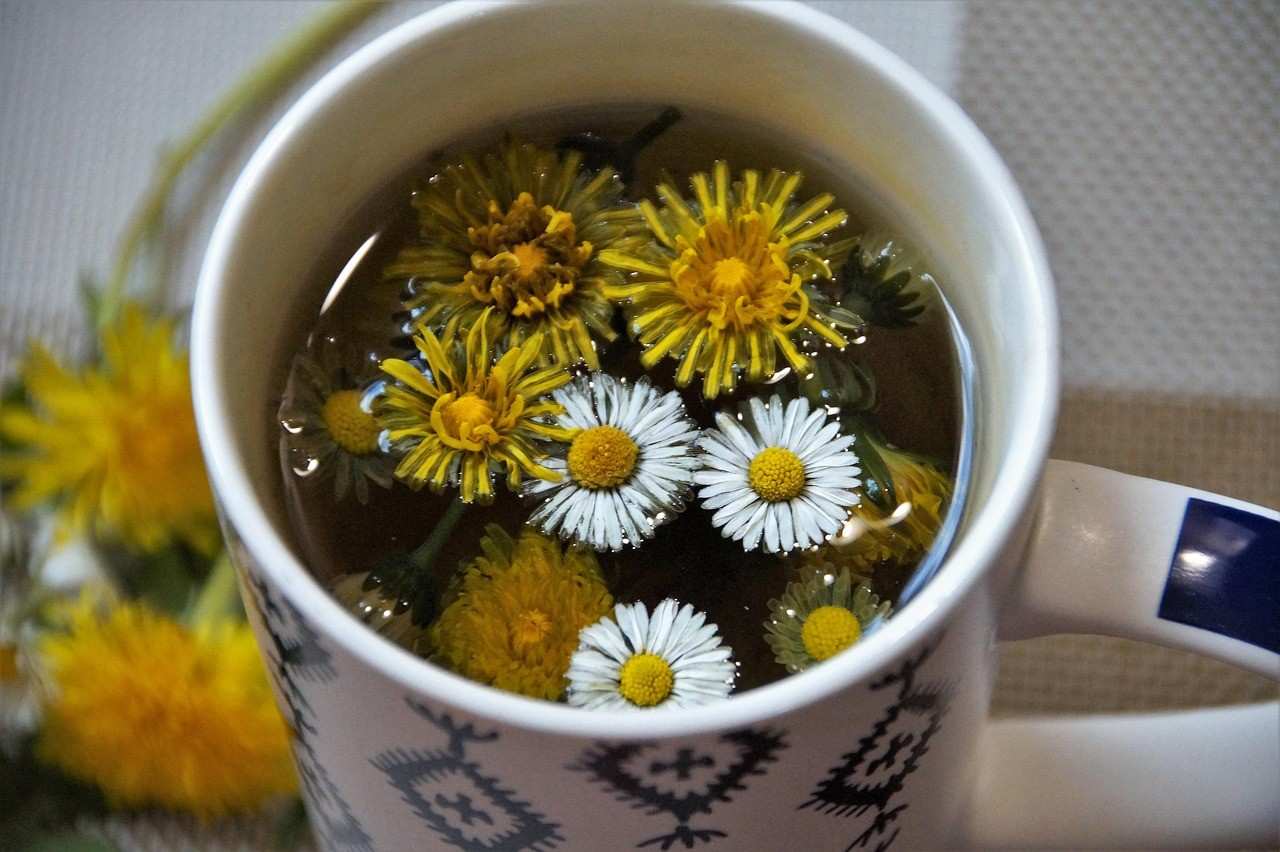
To prepare a daily herbal tea for urinary tract health, gather ingredients like dried cranberry, dandelion leaves, and nettle. Combine one teaspoon of each herb in a teapot. Use filtered water heated to just below boiling for optimal extraction.
Steep the mixture for 10 to 15 minutes. Strain the tea into a cup. This process allows the beneficial compounds to infuse into the water, creating a potent blend that supports urinary health.
Upon sipping this tea, you may notice a refreshing taste with a slightly earthy undertone. The sensation is invigorating, and many report a gentle warmth spreading through their abdomen. This effect can last for several hours, providing a comforting sense of relief.
Pro Tip: Prepare a larger batch and store it in the refrigerator for easy access throughout the day.
Targeting Acute Pain
For acute discomfort, a tea blend of chamomile, peppermint, and ginger can be particularly soothing. Use one teaspoon of dried chamomile flowers, half a teaspoon of peppermint leaves, and a small slice of fresh ginger. Boil water and pour it over the herbs in a teapot.
Allow the tea to steep for 10 minutes. This combination works synergistically to reduce inflammation and provide relief from spasms. Strain the tea before serving.
Drinking this tea can lead to a soothing sensation in the stomach and bladder area. The cooling effect of peppermint combined with the warmth of ginger creates a balanced feeling. Relief can typically be felt within 30 minutes of consumption.
Pro Tip: Pair this tea with deep breathing exercises for enhanced relaxation.
The Nighttime Routine
Preparing a calming tea for nighttime can aid in promoting restful sleep while supporting urinary health. Combine valerian root, lemon balm, and passionflower. Use one teaspoon of each dried herb and steep them in boiling water for 10 minutes.
This herbal blend not only helps with urinary discomfort but also promotes relaxation. Strain the tea and enjoy it before bedtime.
The resulting tea has a mild, pleasant flavor that can induce a sense of tranquility. Many individuals report a calming sensation that prepares them for sleep, allowing for a more peaceful night. The effects of relaxation can last well into the night.
Pro Tip: Drink this tea 30 minutes before bedtime for optimal results.
Avoiding Common Pitfalls with Herbal Teas
Using Low Quality Herbs
One common mistake is opting for low-quality herbs that may lack potency. Poor quality herbs can be contaminated or improperly processed, diminishing their health benefits. Investing in high-quality, organic herbs ensures that you receive maximum therapeutic effects.
To avoid this mistake, purchase herbs from reputable suppliers. Look for certifications that indicate purity and quality. Reading reviews and researching brands can also provide insight into the quality of the herbs.
Neglecting Preparation Methods
Another frequent error involves neglecting proper preparation methods. Simply boiling herbs without allowing them to steep adequately can lead to weak infusions that do not provide the desired effects. Each herb has specific requirements for optimal extraction.
Follow steeping guidelines for each type of herb. For instance, delicate herbs like chamomile may require shorter steeping times, while tougher roots like ginger benefit from longer infusions. Paying attention to these details can enhance the efficacy of your herbal tea.
Overconsumption
Overconsumption of herbal teas can lead to adverse effects. While herbs are natural, they can still interact with medications or cause side effects when taken in excess. Understanding the recommended dosage is essential.
Consult with a healthcare professional to determine appropriate amounts, especially if you are pregnant, nursing, or taking medications. Moderation is key to enjoying the benefits without unwanted complications.
The Science Behind Herbal Remedies
Herbal teas promote urinary tract health through various biological mechanisms. Many herbs contain compounds that possess diuretic properties, increasing urine output and helping to flush out pathogens. This can reduce the risk of infections and provide relief from symptoms associated with urinary discomfort.
Key compounds such as flavonoids, found in cranberry and dandelion, have been shown to inhibit bacterial adhesion to the bladder wall. This action can prevent the onset of urinary tract infections, enhancing overall bladder health.
Research supports the efficacy of these herbs. For instance, a study on cranberry extract and its effects on urinary tract health can be found here. This evidence reinforces the importance of incorporating herbal teas into wellness routines for urinary tract support.
Choosing the Right Product
- Potency: Selecting herbs with high active ingredient concentrations ensures you receive the therapeutic benefits.
- Purity: Choosing organic and non-GMO options minimizes exposure to pesticides and harmful chemicals.
- Form: Loose leaf teas often provide fresher and more potent flavors compared to pre-packaged bags.
Benefits and Risks of Herbal Teas
| The Benefits | Potential Downsides |
|---|---|
| Natural ingredients with fewer side effects compared to pharmaceuticals | Possible interactions with medications |
| Hydration support through increased fluid intake | Overconsumption may lead to adverse effects |
| Variety of flavors and blends to enhance enjoyment | Quality can vary significantly between brands |
Complementary Lifestyle Habits
Incorporating regular physical activity can significantly enhance urinary health. Exercise promotes circulation and helps maintain a healthy body weight, reducing the risk of urinary discomfort.
Staying hydrated is essential as well. Drinking adequate amounts of water throughout the day supports kidney function and helps flush out toxins.
Who Should Avoid This?
- Individuals with known allergies to specific herbs.
- Pregnant or breastfeeding women should consult healthcare providers.
- People taking anticoagulant medications.
Common Questions
Can herbal teas replace conventional treatments?
Herbal teas can complement conventional treatments but should not replace medical advice or prescribed medications.
How often should I drink herbal tea for urinary health?
Drinking herbal tea 1 to 3 times daily can be beneficial, depending on individual needs and preferences.
Are there any side effects associated with herbal teas?
While generally safe, some individuals may experience digestive discomfort or allergic reactions. Monitor your body’s response.
Can I mix different herbal teas?
Yes, mixing different herbs can enhance flavor and benefits. However, ensure that the combined herbs do not have conflicting properties.
The Bottom Line
Herbal teas can be a valuable addition to a wellness routine focused on urinary health.
- The Truth: Herbal teas are not a cure-all and should be used thoughtfully.
- The Strategy: Use them as a daily hydration source to support urinary health.
- The Next Step: Consider incorporating regular physical activity to enhance overall wellness.
Get Your FREE Natural Health Guide!
Subscribe now and receive our exclusive ebook packed with natural health tips, practical wellness advice, and easy lifestyle changes, delivered straight to your inbox.