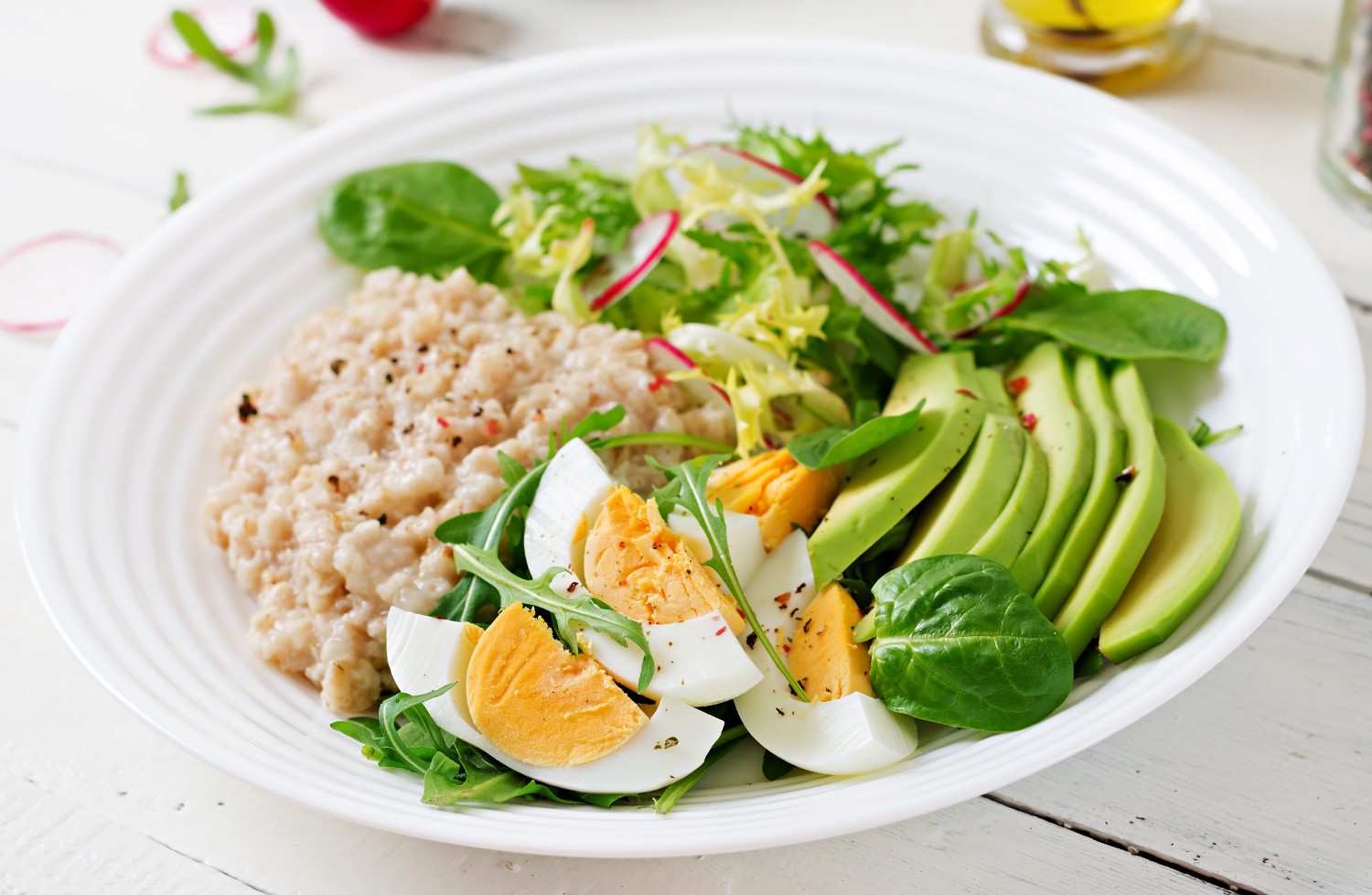

Avocados have gained immense popularity in recent years, often hailed as a superfood. However, the real question is why they deserve a permanent spot on your plate. Many individuals struggle with maintaining balanced diets, leading to various health issues such as obesity, cardiovascular diseases, and even mental health disorders. The key to mitigating these problems lies in understanding the importance of healthy fats, particularly those found in avocados.
The challenges of consuming a diet high in unhealthy fats and low in essential nutrients can create a cycle of poor health. This is where avocados shine, offering a rich source of monounsaturated fats that can transform your overall well-being. These fats not only help in weight management but also support heart health and improve nutrient absorption.
Incorporating avocados into your daily meals can be a game changer. They are versatile, easy to prepare, and can enhance the flavor of various dishes. This guide will explore how to seamlessly include avocados in your diet while highlighting their numerous health benefits.
Understanding how avocados can be a part of a holistic approach to wellness is essential. By focusing on the healthy fats they provide, you can significantly improve your quality of life.

Contents
How to Use Avocados for Real Results
- Best Form: Fresh, ripe avocado.
- Best Time: Any meal of the day.
- Expected Result: Enhanced nutrient absorption and improved heart health.
For Daily Protection
The Prep: Start with one ripe avocado, a pinch of salt, and a squeeze of lemon juice. Gather whole grain toast and optional toppings like tomatoes or eggs for added nutrients.
The Action: Cut the avocado in half and remove the pit. Scoop out the flesh into a bowl and mash it with a fork, mixing in salt and lemon juice. Spread the mixture on your toast and top with your choice of additional ingredients.
The Feeling: Expect a creamy texture with a burst of flavor from the lemon and salt. The toast will provide a satisfying crunch, while the avocado offers a smooth mouthfeel that lingers pleasantly.
Pro Tip: For added health benefits, consider sprinkling chia seeds on top for an extra boost of omega-3 fatty acids.
In Smoothies for Nutrient Boost
The Prep: Gather one ripe avocado, a banana, a handful of spinach, and your choice of milk or a dairy-free alternative.
The Action: Combine all ingredients in a blender. Blend until smooth, adjusting the thickness with more milk if needed. Pour into a glass for an energizing drink.
The Feeling: The smoothie will have a rich, creamy consistency with a mild sweetness from the banana. The avocado enhances the texture and provides a feeling of fullness that can last for hours.
Pro Tip: Add a scoop of protein powder for a post-workout recovery drink.
As a Salad Dressing Alternative
The Prep: Take one ripe avocado, a clove of garlic, lemon juice, and olive oil. Gather mixed greens and assorted vegetables for your salad.
The Action: Blend the avocado, garlic, lemon juice, and olive oil until smooth. Drizzle the creamy dressing over your salad, tossing to combine.
The Feeling: The dressing will coat the greens beautifully, offering a velvety texture that elevates the salad experience. The garlic adds a punch of flavor, while the avocado keeps it light and refreshing.
Pro Tip: Use fresh herbs like basil or cilantro to enhance the flavor profile of your dressing.
Avoiding Common Mistakes
Choosing Unripe Avocados
Selecting unripe avocados can lead to disappointment. Their texture remains hard and unyielding, making them difficult to enjoy. An unripe avocado lacks the creamy consistency that makes it so desirable.
To avoid this mistake, always check for ripeness. A ripe avocado should yield slightly to gentle pressure. If it feels too firm, leave it at room temperature for a few days until it softens.
Neglecting Portion Control
While avocados are healthy, they are also calorie-dense. Overindulging can lead to excessive calorie intake, potentially negating their health benefits.
To manage portion sizes, stick to one-third to one-half of an avocado per serving. This way, you can enjoy the flavor and health benefits without overdoing it.
Ignoring Preparation Methods
How you prepare avocados can greatly affect their health benefits. Frying or adding unhealthy ingredients can diminish their nutritional value.
Opt for methods that preserve their health benefits. Consider incorporating them into salads, smoothies, or spreads instead of frying. This keeps the healthy fats intact and maximizes their advantages.
The Science Behind Avocado Benefits
Avocados are packed with monounsaturated fats, which are essential for maintaining heart health. These fats help lower bad cholesterol levels while raising good cholesterol. Additionally, they provide essential fatty acids that aid in various bodily functions.
The key compound in avocados is oleic acid, a type of monounsaturated fat. This fatty acid is known for its anti-inflammatory properties and potential to reduce the risk of chronic diseases. Oleic acid has been shown to support brain health and may even contribute to improved mood and cognition.
Clinical studies have demonstrated the positive effects of avocado consumption on overall health. Research indicates that incorporating avocados into a balanced diet can lead to improved heart health and weight management. For further reading, refer to this PubMed search for detailed findings on the benefits of avocados.
Choosing the Right Product
- Potency: Look for avocados that are fresh and ripe. Freshness ensures maximum flavor and nutrient content.
- Purity: Choose organic avocados when possible. This reduces exposure to pesticides and chemicals.
- Form: Whole avocados are preferable over processed products. Whole fruits retain their natural nutrients without additives.
Benefits vs Risks
| The Benefits | Potential Downsides |
|---|---|
| Rich in healthy fats that support heart health. | High in calories, which can lead to weight gain if overconsumed. |
| Contains fiber, aiding in digestion. | May cause digestive discomfort for some individuals. |
| Versatile and easy to incorporate into meals. | May be costly compared to other fats. |
Habits to Enhance Your Health
Incorporating regular physical activity into your lifestyle can amplify the health benefits of consuming avocados. Aim for at least 30 minutes of moderate exercise most days of the week.
Mindful eating practices can also enhance your health journey. Take the time to savor your meals, paying attention to flavors and textures, which can help you appreciate the nutritional value of foods like avocados.
Who Should Avoid This?
- Individuals with avocado allergies.
- Those on strict calorie-restricted diets without room for healthy fats.
- People with certain digestive disorders that cannot handle high-fiber foods.
Common Questions
Can I eat too much avocado?
Yes, while avocados are healthy, consuming them in excessive amounts can lead to calorie overload.
Are avocados good for weight loss?
In moderation, avocados can support weight loss due to their healthy fats and fiber content that promote satiety.
How can I tell if an avocado is ripe?
A ripe avocado yields slightly to gentle pressure. If it feels hard, it needs more time to ripen.
Can avocados help with my skin?
Yes, the healthy fats in avocados can contribute to skin hydration and elasticity.
The Bottom Line
Including avocados in your diet offers numerous health benefits, making them a worthy addition to your daily meals.
- The Truth: Moderation is key to enjoying their benefits without excess calories.
- The Strategy: Incorporate them into various meals throughout the day for optimal results.
- The Next Step: Experiment with different recipes to find your favorite way to enjoy avocados.
Get Your FREE Natural Health Guide!
Subscribe now and receive our exclusive ebook packed with natural health tips, practical wellness advice, and easy lifestyle changes, delivered straight to your inbox.