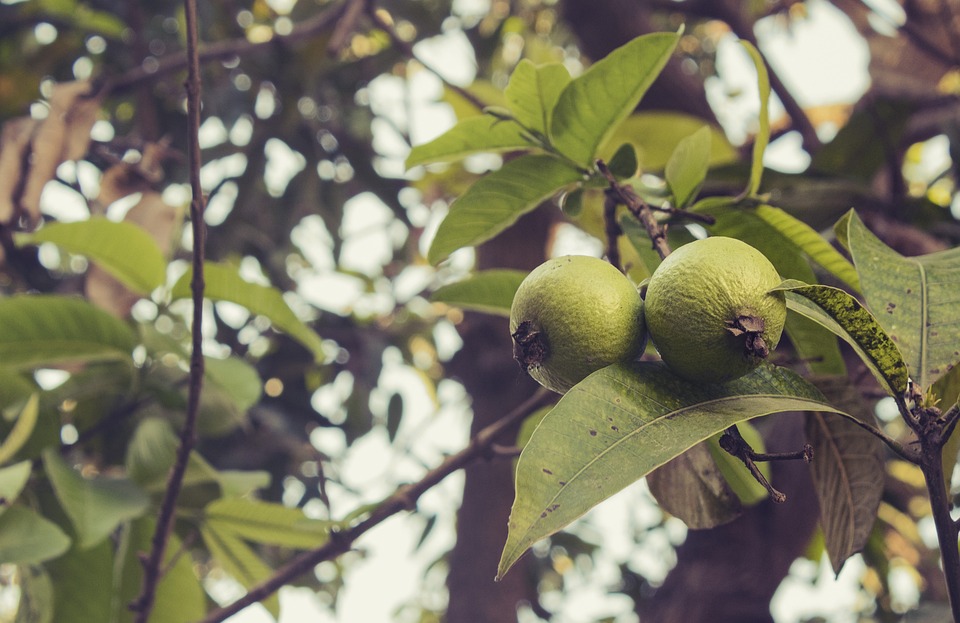

Guava leaves have emerged as a natural remedy for toothaches, drawing attention for their soothing properties. Tooth pain can be debilitating, often stemming from various dental issues such as cavities, gum disease, or infections. Traditional methods for alleviating this pain often involve over-the-counter medications, which may come with side effects or complications. This has led many to seek alternative solutions that are both effective and gentle on the body.
Natural remedies have gained popularity, and guava leaves stand out due to their rich composition of antioxidants, anti-inflammatory compounds, and antimicrobial properties. These leaves, often overlooked, may hold the key to easing dental discomfort without resorting to pharmaceuticals. Their traditional use in various cultures for oral health reinforces their potential benefits.
Understanding how to harness the healing qualities of guava leaves can empower individuals to manage their dental pain holistically. This guide will delve into the practical applications, science, and lifestyle considerations surrounding guava leaves for toothache relief. By exploring this natural approach, individuals can gain insights into effective methods that may complement their overall wellness journey.
The journey toward relief from tooth pain can be approached with a blend of knowledge and practical application. The following sections will provide a detailed roadmap for utilizing guava leaves effectively.
Contents
How to Use Guava Leaves for Real Results
- Best Form: Fresh or dried guava leaves.
- Best Time: When experiencing tooth discomfort.
- Expected Result: Reduction in pain and inflammation.
For Daily Protection
The preparation for daily use involves gathering fresh guava leaves. Select young leaves, as they tend to be more potent. Rinse them thoroughly under running water to remove any dirt or contaminants. This will ensure that you are using clean leaves, boosting their effectiveness for oral health.
To apply, chew on a couple of fresh leaves for about 10 minutes. This action releases their juice and beneficial compounds directly into your mouth. Focus on the area where you feel discomfort. The natural compounds in the leaves will start to work on the pain.
Initially, you may experience a mild tingling sensation as the leaves begin to interact with your gums and teeth. This can last for a few minutes and may provide immediate relief. Over time, consistent use can lead to a noticeable decrease in sensitivity and discomfort.
Pro Tip: For enhanced benefits, consider making a guava leaf tea to sip throughout the day.
Targeting Acute Pain
When facing acute tooth pain, prepare a guava leaf decoction. Start with several fresh or dried leaves and add them to a pot of water. Bring the mixture to a boil, then reduce to a simmer for about 15 minutes. Strain the liquid into a cup, allowing it to cool slightly.
Use this decoction as a mouth rinse. Swish it around in your mouth for 30 seconds before spitting it out. The antimicrobial properties will help reduce inflammation and bacteria in the affected area.
Upon rinsing, you may feel a cooling sensation that contrasts with the pain. This soothing effect can last for up to an hour, providing much-needed relief. Regular rinsing can lead to a more prolonged effect.
Pro Tip: Store any leftover decoction in the refrigerator for up to two days for easy access.
The Nighttime Routine
For nighttime relief, prepare a guava leaf infusion. Boil a cup of water and add a few guava leaves. Let it steep for about 10 minutes. Strain the leaves and allow the infusion to cool to a comfortable temperature.
Before bedtime, rinse your mouth with this infusion. This not only helps in soothing pain but also creates a protective layer against nighttime bacteria. The calming properties can assist in reducing overnight discomfort.
You may notice a gradual easing of pain that allows for better sleep. The soothing effect can linger, ensuring that you wake up refreshed rather than in pain.
Pro Tip: Consider incorporating this routine into your nightly self-care to promote overall oral health.
Avoiding Common Mistakes
Ignoring Quality of Leaves
Using low-quality or old guava leaves can diminish the effectiveness of your remedy. Fresh leaves contain higher concentrations of beneficial compounds. When using dried leaves, ensure they are from a reputable source and stored properly.
To maximize benefits, always inspect leaves for signs of mold or discoloration. Fresh leaves should appear vibrant and green. Investing in quality ensures that you receive the full therapeutic potential of guava leaves.
Overusing the Remedy
While guava leaves are natural, overuse can lead to unintended side effects. Some individuals may experience gastrointestinal discomfort if consumed in excess. Moderation is key.
Stick to recommended amounts whether chewing leaves or using them in a decoction. Balance your usage with other oral hygiene practices to avoid over-reliance on any single remedy.
Neglecting Other Dental Care
Relying solely on guava leaves without maintaining regular dental hygiene can lead to further issues. This includes brushing and flossing daily to prevent plaque buildup and cavities.
Incorporate guava leaves as a complementary approach rather than a replacement for traditional dental care. This holistic strategy will support overall oral health and enhance the effectiveness of guava leaves.
The Science Behind Guava Leaves
The biological mechanisms behind the effectiveness of guava leaves in alleviating toothaches are rooted in their rich phytochemical composition. These leaves are abundant in tannins, flavonoids, and essential oils, which contribute to their anti-inflammatory and antimicrobial properties. When applied or consumed, these compounds interact with the body to reduce inflammation and inhibit bacterial growth, addressing the root causes of tooth pain.
One of the key compounds found in guava leaves is quercetin. This flavonoid exhibits strong antioxidant properties, helping to combat oxidative stress in the oral cavity. Quercetin can facilitate the healing of inflamed tissues and contribute to pain relief. Its anti-inflammatory action makes it particularly effective against gum inflammation, which is often a source of tooth pain.
Clinical studies have shown the potential benefits of guava leaves in oral health. Research indicates that guava leaf extracts can significantly reduce the growth of harmful bacteria in the mouth, thus preventing dental issues. A study published in the Journal of Ethnopharmacology examined the antimicrobial properties of guava leaves, highlighting their efficacy in reducing plaque and gingivitis. For more detailed evidence, refer to this PubMed search.
Choosing the Right Product
-
Potency: Look for products that specify the concentration of guava leaf extract. Higher potency often translates to more effective relief.
-
Purity: Ensure that the product is free from additives or fillers. Pure guava leaf extracts offer maximum benefits without unnecessary ingredients.
-
Form: Consider whether you prefer fresh leaves, dried, or extracts. Each form has its advantages, and your choice may depend on convenience and personal preference.
Benefits vs Risks
| The Benefits | Potential Downsides |
|---|---|
| Natural anti-inflammatory properties that soothe pain. | Possible gastrointestinal discomfort if overconsumed. |
| Rich in antioxidants that promote oral health. | Quality can vary, affecting effectiveness. |
| Easy to prepare and use at home. | Not a substitute for professional dental care. |
Habits to Enhance Effectiveness
Incorporating a balanced diet rich in vitamins and minerals can support oral health. Foods high in calcium and vitamin C can strengthen teeth and gums, enhancing the benefits of guava leaves.
Another habit is maintaining hydration. Drinking enough water helps to wash away food particles and bacteria, complementing the antimicrobial effects of guava leaves.
Who Should Avoid This?
- Pregnant or breastfeeding women.
- Individuals with known allergies to guava or similar plants.
- Those with specific dental conditions that require professional treatment.
Common Questions
Can guava leaves replace dental treatments?
Guava leaves can be a complementary remedy but should not replace professional dental care.
How long does it take to feel relief?
Relief can vary, but many report a reduction in pain within minutes of use.
Are there any side effects?
While generally safe, excessive consumption may lead to gastrointestinal discomfort.
Can I use guava leaves daily?
Yes, but moderation is key. Balance with regular dental hygiene practices.
The Bottom Line
Guava leaves can serve as a natural remedy for toothaches.
- The Truth: While effective for many, they are not a cure-all for dental issues.
- The Strategy: Use them alongside regular dental care for optimal results.
- The Next Step: Incorporate guava leaves into your routine for holistic oral health.
Get Your FREE Natural Health Guide!
Subscribe now and receive our exclusive ebook packed with natural health tips, practical wellness advice, and easy lifestyle changes, delivered straight to your inbox.