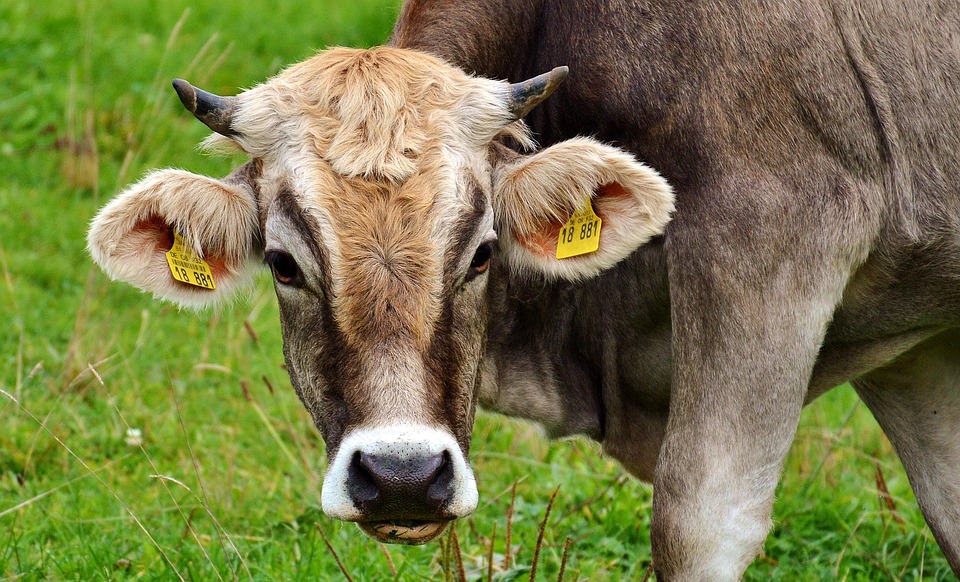

Grass-fed beef has emerged as a focal point in discussions about nutrition and male reproductive health. Among the many nutrients it offers, one stands out for its potential impact on sperm health: L-Carnitine. This amino acid plays a crucial role in energy metabolism, particularly in the sperm cells that require significant energy for motility and function. The pursuit of improved fertility often leads individuals to explore various dietary changes, and incorporating grass-fed beef may provide a natural and effective solution.
The modern lifestyle, with its fast food options and sedentary habits, has led to a decline in overall health, including reproductive health. Many men face challenges related to sperm quality and quantity. Research indicates that lifestyle factors, including diet, can significantly influence sperm parameters. Grass-fed beef not only offers a rich source of protein but also contains higher levels of beneficial nutrients, including L-Carnitine, which are essential for optimal sperm health.
Nutritional choices play a fundamental role in reproductive health. The consumption of nutrient-dense foods can enhance vitality and improve overall well-being. Grass-fed beef is particularly rich in omega-3 fatty acids, vitamins, and minerals that contribute to hormonal balance and reproductive function. Understanding how to effectively incorporate this food into your diet can provide tangible benefits.
The following guide will explore the practical applications of grass-fed beef for enhancing L-Carnitine levels, common mistakes to avoid, the science behind its benefits, and essential tips for making informed choices. This comprehensive approach aims to empower individuals to take actionable steps towards improving their reproductive health through dietary changes.
Contents
How to Use Grass-Fed Beef for Real Results
- Best Form: Grass-fed beef steaks or ground beef
- Best Time: 2-3 times per week
- Expected Result: Increased L-Carnitine levels and improved sperm quality
For Daily Protection
The Prep: Choose high-quality grass-fed beef steaks, ideally ribeye or sirloin, known for their flavor and nutrient density. You’ll also need a selection of herbs like rosemary and thyme for seasoning, along with olive oil for cooking. Preparing this meal requires minimal effort and can be a delightful addition to your diet.
The Action: Begin by marinating the beef in olive oil with herbs for at least an hour. When ready to cook, heat a grill or skillet over medium-high heat. Cook the steaks for about 4-5 minutes on each side for medium-rare. Let them rest for a few minutes before slicing to retain their juices.
The Feeling: Upon consuming the steak, you may experience a sense of satisfaction and fullness. The flavor is rich and savory, often accompanied by a slight warmth from the herbs. This meal can leave you feeling energized and ready to take on the day.
Pro Tip: Pair your steak with a side of leafy greens to maximize nutrient absorption.
Boosting Energy Levels
The Prep: For this meal, ground grass-fed beef is ideal, as it cooks quickly and is versatile. Gather spices such as cumin and paprika, along with vegetables like bell peppers and onions for a hearty stir-fry.
The Action: In a skillet, heat a tablespoon of olive oil over medium heat. Add chopped onions and bell peppers, cooking until softened. Stir in the ground beef, breaking it apart as it cooks. Season with spices and cook until browned. Serve hot.
The Feeling: This dish offers a satisfying, savory taste with a slight kick from the spices. The combination of protein and vegetables can lead to a feeling of sustained energy, making it an excellent choice for lunch or dinner.
Pro Tip: Serve with quinoa or brown rice for added fiber and nutrients.
The Weekend Feast
The Prep: Select a grass-fed beef roast for a special weekend meal. You will need garlic, fresh herbs, and root vegetables like carrots and potatoes for roasting, creating a complete meal.
The Action: Preheat the oven to 375°F. Season the roast with minced garlic, herbs, salt, and pepper. Place it in a roasting pan surrounded by chopped root vegetables. Roast for about 1.5 to 2 hours, depending on the size, until it reaches your desired doneness.
The Feeling: The aroma filling your kitchen will be enticing. Upon tasting, the beef will be tender and juicy, complemented by the sweetness of the roasted vegetables. This meal can provide a comforting and fulfilling dining experience.
Pro Tip: Allow the roast to rest before slicing to ensure maximum juiciness.
Common Mistakes to Avoid
Choosing Grain-Fed Over Grass-Fed
Opting for grain-fed beef can diminish the nutritional benefits associated with grass-fed options. Grain-fed beef typically contains lower levels of omega-3 fatty acids and higher levels of unhealthy fats. This can negatively impact not only overall health but also reproductive health. Always check labels to ensure you are purchasing grass-fed beef.
The solution is simple. Seek out local farms or reputable stores that specialize in grass-fed meats. This choice will provide the essential nutrients your body needs for optimal sperm health.
Neglecting Cooking Methods
How beef is prepared can significantly affect its nutrient content. Overcooking grass-fed beef can lead to a loss of beneficial nutrients and flavor. Many people assume that cooking it well-done is necessary, but this can create tougher meat and diminish its health benefits.
To avoid this mistake, aim for medium-rare to medium doneness. This method preserves the natural flavors and nutrients while ensuring a tender texture.
Ignoring Portion Sizes
While grass-fed beef is nutritious, consuming it in excessive quantities can lead to an imbalance in your diet. Many individuals may think that more is better, leading to an overload of protein and fats, which can affect overall health negatively.
Instead, moderate your intake to about 3-4 ounces per serving, 2-3 times a week. This approach allows you to enjoy the benefits without overindulging.
The Biological Mechanism Behind L-Carnitine
L-Carnitine plays a pivotal role in the metabolism of fatty acids within the mitochondria of cells. This process is particularly crucial for sperm cells, as they rely heavily on energy derived from fatty acids for motility. The presence of L-Carnitine helps in enhancing sperm motility and overall vitality.
In addition to its energy-producing capabilities, L-Carnitine is also known to support the development of healthy sperm. It assists in the maturation of sperm cells, ensuring that they are equipped for fertilization. This makes it a vital nutrient for male fertility.
Clinical evidence supports the role of L-Carnitine in improving sperm parameters. A study published in the journal “Fertility and Sterility” highlights the positive effects of L-Carnitine supplementation on sperm motility and function. For more detailed information, refer to this PubMed search.
Choosing the Right Product
- Potency: Ensure the beef is labeled grass-fed, as this indicates higher nutrient levels.
- Purity: Look for organic certification to avoid exposure to unnecessary pesticides and hormones.
- Form: Ground beef or steak cuts can both provide L-Carnitine, but consider your cooking preferences.
Benefits vs Risks
| The Benefits | Potential Downsides |
|---|---|
| High in essential nutrients like L-Carnitine | Can be more expensive than conventional beef |
| Supports sperm health and motility | Overconsumption may lead to excess fat intake |
| Grass-fed beef is generally leaner and healthier | Availability may be limited in some areas |
Habits for Optimal Results
Incorporating regular exercise into your routine can significantly enhance the benefits of consuming grass-fed beef. Physical activity promotes circulation and overall health, which can further improve reproductive function.
Maintaining a balanced diet that includes a variety of fruits and vegetables will complement the benefits of grass-fed beef. This approach ensures that you receive a broad spectrum of nutrients necessary for optimal health.
Who Should Avoid This?
– Individuals with specific dietary restrictions, such as vegans or vegetarians.
– Those with high cholesterol levels should consult a healthcare provider before increasing red meat intake.
– People with certain medical conditions affecting metabolism may need to limit protein sources.
Common Questions
What is L-Carnitine?
L-Carnitine is a naturally occurring amino acid derivative involved in energy metabolism, particularly in transporting fatty acids into the mitochondria for energy production.
How often should I eat grass-fed beef?
Incorporating grass-fed beef 2-3 times a week is generally recommended to reap its benefits without overindulging.
Are there any side effects of consuming grass-fed beef?
While grass-fed beef is generally safe, excessive consumption may lead to increased fat intake, which can affect overall health.
Can I get L-Carnitine from other sources?
Yes, other sources include dairy products, fish, and poultry, but grass-fed beef is one of the richest sources available.
The Bottom Line
Incorporating grass-fed beef into your diet can provide significant benefits for enhancing L-Carnitine levels and improving sperm health.
- The Truth: While grass-fed beef offers numerous benefits, it should be consumed in moderation.
- The Strategy: Aim to include it in your meals 2-3 times a week for optimal results.
- The Next Step: Consider pairing your beef with a varied diet rich in fruits and vegetables for comprehensive health benefits.
Get Your FREE Natural Health Guide!
Subscribe now and receive our exclusive ebook packed with natural health tips, practical wellness advice, and easy lifestyle changes, delivered straight to your inbox.