
Ginger tea has gained recognition as a natural remedy with numerous health benefits. Among its many uses, it has shown promise in managing blood pressure, particularly in relation to calcium channel blockers. High blood pressure is often linked to various health issues, including heart disease and stroke. Many individuals seek alternative methods to complement their treatment plans. Ginger tea could serve as an accessible and effective option for those aiming to regulate their blood pressure levels.
Understanding the mechanics of blood pressure regulation is crucial. Calcium channels play a significant role in how blood vessels contract and relax. When calcium enters the cells of the heart and blood vessels, it causes those cells to contract. This can lead to an increase in blood pressure. Therefore, managing calcium levels is essential for maintaining healthy blood pressure. Ginger tea, rich in bioactive compounds, may influence this process positively.
The appeal of ginger tea lies not only in its potential health benefits but also in its simple preparation. This makes it an attractive option for those who prefer natural remedies. Incorporating ginger tea into daily routines may provide a straightforward approach to support cardiovascular health. The multifaceted benefits of ginger tea extend beyond blood pressure management, making it a versatile addition to a wellness regimen.
This guide will delve into the various aspects of ginger tea and its benefits for blood pressure management. Readers will learn about practical applications, common mistakes, the science behind its effectiveness, and safety considerations. This comprehensive approach aims to equip individuals with the knowledge needed to integrate ginger tea into their health strategies effectively.
Contents
How to Use Ginger Tea for Real Results
- Best Form: Fresh ginger root
- Best Time: Morning or before meals
- Expected Result: Improved blood pressure levels
For Daily Protection
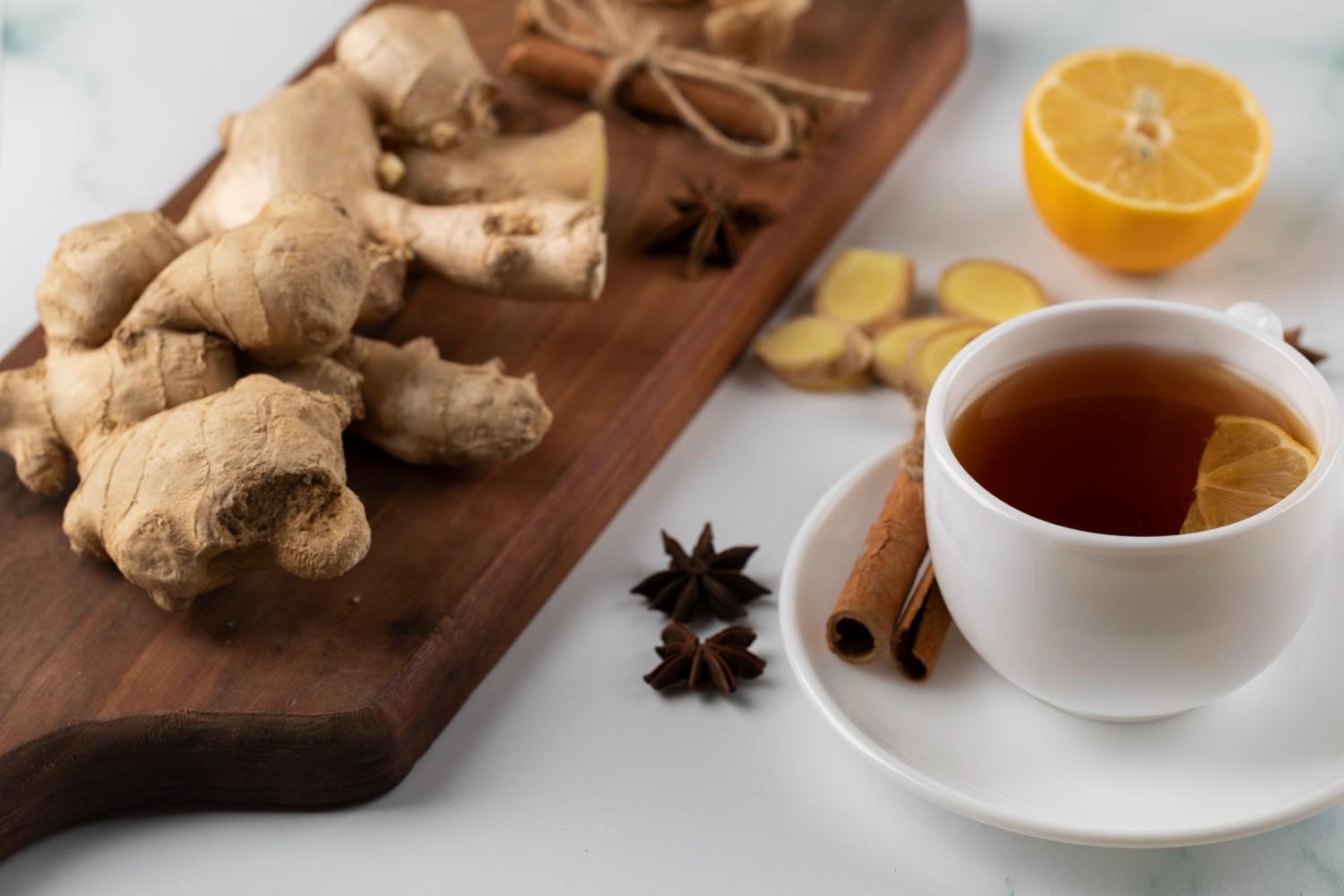
The prep involves gathering fresh ginger root, water, and optional honey or lemon for flavor. Start with about one inch of ginger, peeled and sliced. Boil four cups of water in a pot and add the ginger. Allow it to simmer for about 10 to 15 minutes. This process extracts the beneficial compounds from the ginger, creating a potent tea.
The action entails pouring the tea into a cup and adding honey or lemon if desired. Sipping the tea slowly allows for better absorption of the active compounds. Consuming this tea in the morning can help kickstart your day on a healthy note. Regular consumption may lead to noticeable improvements in overall well-being.
The feeling after drinking this tea is often described as warming and soothing. The initial sip may present a slight spiciness, followed by a comforting warmth spreading throughout the body. This sensation can last for a couple of hours, promoting a sense of relaxation and alertness.
Pro Tip: Prepare a larger batch and store it in the refrigerator for up to three days to ensure you always have ginger tea ready.
Targeting Acute Discomfort
The prep for this use case involves fresh ginger, water, and a pinch of cayenne pepper for an extra kick. Start with a similar amount of ginger as before, but add a quarter teaspoon of cayenne pepper for enhanced circulation benefits. Boil the water and add both ingredients, allowing it to steep for about 10 minutes.
The action requires straining the tea into a cup. The cayenne will add heat, which can stimulate circulation and provide immediate relief from discomfort. Drinking this tea can be particularly beneficial during stressful days when blood pressure might spike.
The feeling you can expect is a rush of warmth, especially from the cayenne. This invigorating sensation can promote a sense of clarity and focus, making it an excellent choice during busy afternoons. The effects can linger, providing sustained relief and comfort.
Pro Tip: Adjust the amount of cayenne pepper to suit your spice tolerance while still enjoying the health benefits.
The Nighttime Routine
The prep involves fresh ginger, water, and chamomile tea for a calming effect. Use about an inch of ginger and one chamomile tea bag. Boil the water and add the ginger to simmer for 10 minutes before adding the chamomile tea bag for an additional five minutes.
The action consists of straining the tea and enjoying it in the evening. This combination not only aids in blood pressure management but also prepares the body for restful sleep. Sipping this tea about an hour before bedtime can help promote relaxation.
The feeling after drinking this tea is calming and soothing. The ginger provides a gentle warmth, while the chamomile contributes to a sense of tranquility. This delightful combination can help ease the mind and body, promoting better sleep quality throughout the night.
Pro Tip: Consider adding a splash of almond milk for a creamier texture and additional nutrients.
Avoiding Common Missteps in Tea Preparation
Using Low Quality Herbs
One common mistake is opting for low-quality ginger. Poor-quality ginger may lack the essential compounds that provide health benefits. Fresh ginger root is always preferable to dried or powdered forms, as it retains more active components.
To ensure you are using high-quality ginger, look for firm roots with smooth skin and minimal blemishes. Organic ginger is often a better choice, as it is less likely to be treated with harmful pesticides. Investing in quality ingredients enhances the effectiveness of your tea.
The solution is simple: purchase your ginger from reputable sources, such as local farmers’ markets or organic grocery stores. This small change can make a significant difference in both flavor and health benefits.
Overconsumption
Another mistake is overconsumption of ginger tea. While ginger has many benefits, excessive amounts can lead to digestive discomfort and other issues. A moderate intake is key for maximizing health benefits without experiencing negative effects.
The recommended amount is about two to four cups of ginger tea daily. This allows you to enjoy the benefits without overwhelming your system. Listening to your body is crucial in determining what amount works best for you.
To avoid overconsumption, set a daily limit for yourself. Keeping track of your intake can help ensure you enjoy ginger tea’s benefits without pushing your body too far.
Neglecting Personal Tolerance
Ignoring personal tolerance to ginger can lead to adverse effects. Some individuals may experience heartburn or digestive issues after consuming ginger. Understanding your body’s response is essential for an enjoyable experience.
The solution is to start with small amounts of ginger and gradually increase your intake. Monitoring how your body feels after each cup can help you gauge your tolerance levels. This approach allows you to reap the benefits without discomfort.
If you find that ginger tea does not sit well with you, consider alternative herbs with similar benefits. Options such as hibiscus or hawthorn may offer blood pressure support without the same side effects.
The Science Behind Ginger and Blood Pressure
Ginger contains various bioactive compounds that contribute to its health benefits. Among these, gingerol and shogaol are particularly notable for their potential to influence blood pressure regulation. These compounds may help relax blood vessels and improve circulation.
Ginger’s anti-inflammatory properties also play a role in cardiovascular health. Chronic inflammation is often linked to high blood pressure, and reducing this inflammation can lead to improved blood vessel function. By incorporating ginger tea into your routine, you may support your body’s efforts to maintain healthy blood pressure levels.
Clinical studies have shown promising results regarding ginger’s effects on blood pressure. Research indicates that regular consumption can lead to significant reductions in systolic and diastolic blood pressure. For further reading, visit PubMed for detailed studies.
Choosing the Right Product
– **Potency:** Higher potency ginger products may offer more health benefits. Stronger formulations can provide greater amounts of active compounds, enhancing effectiveness.
– **Purity:** Look for products that contain pure ginger without fillers or additives. This ensures you receive the full benefits without unwanted ingredients.
– **Form:** Fresh ginger is usually the best option for maximum benefits. However, high-quality dried ginger can also be effective, especially for convenience.
Evaluating Benefits and Risks
| The Benefits | Potential Downsides |
|---|---|
| Supports blood pressure regulation | May cause digestive discomfort in some individuals |
| Contains anti-inflammatory properties | Excessive consumption can lead to heartburn |
| Rich in antioxidants | May interact with certain medications |
Complementary Lifestyle Habits
Incorporating regular physical activity into your routine can significantly enhance the benefits of ginger tea. Exercise helps to regulate blood pressure and improve overall cardiovascular health. Aim for at least 150 minutes of moderate-intensity exercise weekly.
Mindfulness practices, such as meditation or yoga, can further support blood pressure management. These techniques help reduce stress, which is a known contributor to high blood pressure. Making mindfulness a part of your daily routine can complement the benefits of ginger tea.
Who Should Avoid This?
– Individuals on blood-thinning medications
– Pregnant women in excessive amounts
– Those with gallstones or bile duct obstruction
Common Questions
Can ginger tea replace medication for high blood pressure?
Ginger tea should not be considered a substitute for prescribed medication. It can complement treatment but should be used under medical guidance.
How often should I drink ginger tea?
Consuming two to four cups daily is generally recommended for optimal benefits.
Is ginger safe for everyone?
While ginger is safe for most, individuals with specific health conditions should consult their healthcare provider before use.
What are the side effects of ginger?
Side effects can include heartburn, diarrhea, and stomach upset, especially when consumed in large quantities.
The Final Takeaway
Incorporating ginger tea into your daily routine can be a beneficial strategy for managing blood pressure.
- The Truth: Ginger tea should complement, not replace, medical treatment.
- The Strategy: Enjoy ginger tea in moderation, especially in the morning.
- The Next Step: Pair ginger tea with regular exercise for maximum benefits.
Get Your FREE Natural Health Guide!
Subscribe now and receive our exclusive ebook packed with natural health tips, practical wellness advice, and easy lifestyle changes, delivered straight to your inbox.