Addressing Female Hair Thinning At The Crown Naturally
Hair loss at the top of the scalp often catches women off guard. You might notice your part looking wider or your scalp showing through more than in previous years. This area requires gentle care and consistent attention to support healthy follicles.
Many factors influence scalp density including genetics and daily habits. You can support your scalp environment through mindful nutrition and physical care. These adjustments often help create better conditions for steady growth over several months.
Addressing female hair thinning at the crown naturally involves stabilizing your iron levels and reducing chronic tension on the scalp. Most women observe noticeable density changes after six months of consistent nutritional support and scalp massage routines.
Key Takeaways
- Daily intake of 18 milligrams of iron is vital for premenopausal women to support oxygen flow to scalp follicles.
- Gentle scalp massage for four minutes per day correlates with increased blood flow in clinical observation settings.
- Nutritional deficiencies in Vitamin D affect up to 40 percent of adults and directly influence hair cycle regulation.
I noticed my own crown density improved significantly after I tracked my daily protein intake and swapped tight hairstyles for loose claw clips.
The Biology Of Scalp Coverage
The scalp follows a set cycle of growth and rest. Each follicle transitions through phases that last for several years. When the growth phase shortens, the hair becomes thinner and falls out sooner.
Researchers at the National Institutes of Health explain that hair growth cycles change based on internal health markers. Keeping these markers stable is the first step in your routine. Think of your scalp as a garden that requires steady hydration and soil quality.
Nutritional Foundation For Density
Your hair cells are some of the fastest growing cells in your body. They require consistent energy to maintain their structure. If your body lacks building blocks, it directs nutrients to vital organs instead of hair.
Consider the following nutrients for your daily plate:
- Protein Sources: Aim for 0.8 grams per kilogram of body weight to provide the amino acids required for structure.
- Iron Rich Foods: Leafy greens and legumes provide the oxygen carriers your follicles need to function.
- Zinc Intake: Oysters and pumpkin seeds play a role in tissue repair and cell maintenance.
The Role Of Scalp Stimulation
Blood flow delivers nutrients to the root. Many people ignore their scalp until a problem appears. Physical stimulation helps move fluids and encourages surface blood flow.
Follow this method to support your scalp environment:
- Apply light pressure using your fingertips in a circular motion.
- Begin at the hairline and move slowly toward the crown area.
- Maintain this routine for three minutes each evening to promote relaxation and circulation.
Managing External Physical Stress
Tension at the roots often stems from styling choices. Pulling hair into tight buns or high ponytails places weight on the follicles. Over time, this stress leads to permanent thinning at the top of the head.
Switching to soft silk hair ties reduces friction and tugging. Wear your hair down whenever possible to give your roots a break. Change your part location occasionally to prevent one specific area from bearing the weight of your style.
Measuring Your Density Goals
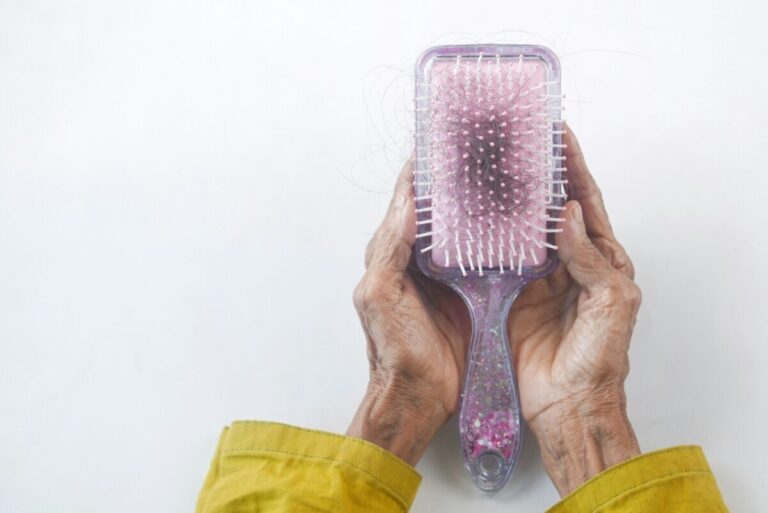
You can track your progress by using a simple calculation. Count the number of strands caught in your brush after a gentle detangling session. Compare this weekly to see if your efforts improve your retention.
Table: Typical Hair Health Markers
| Factor | Typical Range | Impact Level |
|---|---|---|
| Daily Shedding | 50 to 100 strands | Normal |
| Serum Ferritin | 40 to 70 ng/mL | Optimal |
| Massage Time | 3 to 5 minutes | Beneficial |
Identifying Common Environmental Triggers
Hard water contains minerals that build up on the scalp. This residue blocks your follicles and prevents natural oils from reaching the hair shaft. Use a clarifying rinse once per week to keep the area clear.
Data from the National Library of Medicine highlights the relationship between scalp inflammation and follicle health. Keep your skin environment balanced by avoiding heavy products near the crown. Choose lightweight serums that do not clog your pores.
Consistency In Your Daily Routine
Wellness habits take time to show results. You will not see changes in a single week. Focus on your habits for at least ninety days to observe a shift in how your hair behaves.
Keep a simple log of your daily choices. Note your hydration levels and your sleep quality. These factors determine how much energy your body devotes to non-essential functions like hair growth.
The Impact Of Stress Regulation
Cortisol is a stress hormone that often disrupts the growth cycle. When you stay in a high-stress state, your body shifts resources away from your scalp. Gentle movement like walking or deep breathing helps lower these levels.
Studies published by the Centers for Disease Control discuss how physical activity aids in overall systemic balance. Your hair is often the last to benefit from this balance and the first to show the lack of it.
Frequently Asked Questions
Does wearing hats cause thinning at the crown?
Wearing a hat does not cause thinning unless the hat is excessively tight and causes constant friction. If your hat fits comfortably, it should not affect your roots.
Can water temperature affect scalp health?
Very hot water strips natural oils from the scalp and leads to dryness. Use lukewarm water to keep your follicles calm and hydrated.
How often should I wash my hair?
Wash your hair as often as needed to keep the scalp clean. Focus on the scalp while lathering and let the suds run down the lengths.
The Bottom Line
Supporting your hair density involves a focus on nutrition and scalp environment. You can influence your outcome by prioritizing iron intake and gentle handling. Addressing female hair thinning at the crown naturally is a process of patience and consistent self-care.
This information is for educational purposes only. Individuals who are pregnant or managing chronic health disorders should not follow these suggestions without expert oversight. Consult a licensed healthcare provider before starting any new wellness routine.
Get Your FREE Natural Health Guide!
Subscribe now and receive our exclusive ebook packed with natural health tips, practical wellness advice, and easy lifestyle changes, delivered straight to your inbox.