The Daily Practice Of Massaging Gums For Blood Flow
Most of us focus on brushing the surface of our teeth while ignoring the living tissue that holds them in place. My research into oral health shows that consistent stimulation of the periodontal area supports healthy circulation throughout the mouth. Bringing oxygen rich blood to this delicate region remains a foundational habit for maintaining soft tissue vitality.
You can encourage improved circulation by gently applying pressure to the gingival line with clean fingers or a soft applicator. This intentional contact shifts fluids and helps remove debris that settles along the margins where teeth meet the jaw. Consistent movement helps maintain a balanced environment within the oral cavity.
Massaging gums for blood flow involves using light circular motions or gentle downward strokes to stimulate the capillary beds in the soft tissue. This practice helps move interstitial fluid and encourages local blood circulation to support tissue resilience. Daily sessions lasting two minutes provide enough stimulation to help maintain oral hygiene standards.
Key Takeaways
- Periodontal health relies on consistent microcirculation to supply oxygen to the tissues.
- Soft tissue massage can help reduce inflammation markers in the oral environment.
- Healthy gingival tissue typically maintains a firm texture and a consistent pink color.
Physiological Impact Of Periodontal Stimulation
Circulation within the gingival tissues depends on the efficiency of small vessels located just beneath the surface. When you provide rhythmic pressure, you assist the body in moving fluid away from stagnant areas. Research from the National Institutes of Health indicates that healthy periodontal blood flow contributes to overall structural integrity.
Blood vessels in the mouth respond to physical tension by dilating slightly to accommodate increased demand. This process ensures that nutrients reach the connective tissues surrounding each tooth. Proper flow helps the body manage the presence of common oral bacteria.
You might notice that tissues appear more vibrant after light stimulation. This visual change suggests that superficial capillaries have filled with oxygenated blood. Sustained focus on these areas creates a baseline for long term oral comfort.
Systematic Approach To Gingival Care
Efficiency in your wellness routine requires a deliberate sequence of movements. Following a structured pattern ensures that no area of the mouth remains neglected during your session. Use these four steps to guide your daily habit.
- Preparation: Wash your hands with soap and water to prevent the introduction of outside debris into the mouth.
- Positioning: Place your index finger or a silicone tip against the gum line at a forty five degree angle.
- Activation: Move in small circles starting from the back molars and slowly working toward the front of the mouth.
- Completion: Apply very light pressure to avoid bruising the soft tissue while ensuring you cover both the upper and lower arches.
| Action | Frequency | Objective |
|---|---|---|
| Finger Stimulation | Daily routine | Improve local flow |
| Water Irrigation | Every evening | Flush debris away |
| Soft Brushing | Twice daily | Maintain surface cleanliness |
Nutrient Support For Oral Tissues
Circulation acts as a transport system for vitamins that support collagen production. Without adequate nutrients, tissue integrity weakens regardless of how much manual stimulation you provide. A balanced intake of whole foods provides the necessary building blocks for healthy gums.
Vitamin C represents a crucial nutrient for maintaining the strength of connective fibers. Many citrus fruits and bell peppers offer high concentrations of this antioxidant. Studies from the National Institutes of Health suggest that dietary intake impacts oral resilience significantly. Including these foods in your daily meals helps nourish the mouth from within.
Other essential minerals like calcium and magnesium contribute to the overall hardness of the jawbone. Strong bones provide a stable foundation for the gums to grip. Focus on leafy greens and seeds to ensure your body has access to these vital elements.
Common Barriers To Effective Circulation
Stress often manifests in the mouth through clenching or grinding during sleep. This pressure restricts normal blood movement and can lead to discomfort throughout the day. Recognizing these patterns allows you to intervene before tissue stress becomes chronic.
Dehydration also negatively impacts the quality of your oral environment. When you lack sufficient water, your body struggles to maintain the volume of blood needed for distal tissues. Keeping a glass of water nearby helps ensure your systems remain hydrated and functional.
Ignoring minor swelling or sensitivity often allows small issues to persist longer than necessary. Addressing these signs early prevents more complicated concerns from developing over time. Always prioritize gentleness over intensity when checking your oral health status.
Biological Markers Of Healthy Tissue
Visual indicators serve as your primary feedback tool for assessing oral wellness. Healthy gingiva should look tight and light pink rather than puffy or dark red. These colors indicate that the underlying blood supply functions as intended.
Tactile testing provides further information about your current status. Firm tissue that feels resilient to the touch suggests adequate blood movement. Soft or spongy textures indicate that the area may require more consistent care or professional evaluation.
Changes in temperature sensitivity often coincide with blood flow variations in the roots of the teeth. Monitoring how you react to cold or hot liquids helps you identify areas needing extra attention. Consistency remains the most reliable indicator of long term success.
Evidence Based Oral Wellness
Scientific data highlights the importance of mechanical cleaning in addition to manual massage. The removal of bacteria reduces the burden on your immune system during its daily repair cycles. Information from the National Institute of Dental and Craniofacial Research confirms that routine hygiene prevents accumulation that impedes blood flow. This balance between internal supply and external cleanliness forms the core of a stable oral environment.
Combining these methods creates a synergistic effect for the mouth. While massage encourages flow, cleaning provides the clear path necessary for healthy maintenance. You are the architect of your own habits and daily choices.
Track your progress by noting changes in tissue firmness over the course of several weeks. Improvement rarely happens overnight but becomes obvious through consistent daily application. Focus on small, incremental gains rather than immediate changes.
Frequently Asked Questions
Can manual stimulation replace flossing?
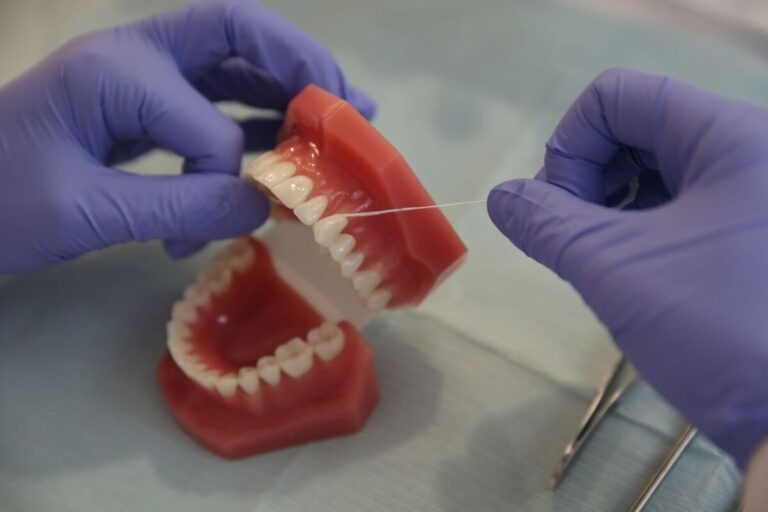
Manual stimulation serves as a secondary practice to enhance circulation and should never replace mechanical plaque removal. Flossing reaches the tight spaces between teeth where bacteria typically thrive and cause congestion in the tissues. You must continue cleaning between the teeth to ensure that your gums remain healthy enough to respond to stimulation.
Think of flossing as the foundation of your oral hygiene and massage as a supplementary boost for tissue vitality. Neither practice effectively covers the responsibilities of the other. Use both daily to create a comprehensive environment for your teeth and gums to flourish.
How much pressure should I apply to the gingiva?
You should apply only enough pressure to create a mild blanching effect where the tissue turns slightly paler and then returns to a healthy pink. Avoid using force that causes discomfort or irritation as the gingival lining is quite thin and sensitive. Gentle touch is always superior to aggressive rubbing when your goal is to support blood movement.
Start with very light pressure and gradually adjust based on your personal comfort levels. If you experience any sharp sensation or persistent soreness, reduce the intensity during your next session. Your goal is to stimulate, not to scrub or abrade the surface.
What time of day is best for this routine?
The best time to practice is whenever you can commit to the habit consistently, though evening sessions often prove effective. Before bed, you can perform these movements after your nightly hygiene routine to ensure the mouth is clean before stimulation. Integrating this into your existing schedule makes it more likely that you will follow through long term.
Morning sessions also work well for waking up the mouth and preparing it for the day ahead. Choose the period that offers the least distraction to ensure you remain focused on your movements. The exact timing matters less than the regularity of your practice.
Does the finger used change the results?
The index finger is generally the most effective tool due to its size and accessibility, but a clean, soft silicone gum stimulator also works well. The primary goal involves creating rhythmic pressure rather than relying on a specific digit. Ensure the tool you choose remains clean and free of abrasive surfaces that could damage delicate tissue.
You may find that using a finger allows for better tactile feedback, helping you sense areas that feel tight or unresponsive. Practice with different methods until you find the one that fits your coordination best. Regardless of the tool, prioritize hygiene to protect the mouth from unwanted bacteria.
Can this practice help with minor swelling?
Light stimulation assists the body in moving stagnant fluid away from swollen areas, which can encourage a return to normal function. If swelling persists, you should seek guidance from a professional to rule out more complex underlying causes. Never attempt to force a change in tissue that is actively inflamed or painful as this may cause further irritation.
Use your judgment to identify whether the area requires simple stimulation or an assessment from a provider. For routine maintenance, gentle pressure serves as a helpful tool to support the natural fluid balance. Always prioritize rest and recovery if the gums feel unusually sensitive or reactive.
The Bottom Line
Maintaining healthy gums requires a blend of manual stimulation and consistent daily cleaning. By performing the simple act of massaging gums for blood flow, you support the vital transport of nutrients and oxygen to your oral tissues.
Monitor your progress and adjust your pressure to keep the experience comfortable and productive. Never stop or change any medication without consulting the provider who recommended it. Consult a licensed healthcare provider before starting any new wellness routine.
Get Your FREE Natural Health Guide!
Subscribe now and receive our exclusive ebook packed with natural health tips, practical wellness advice, and easy lifestyle changes, delivered straight to your inbox.