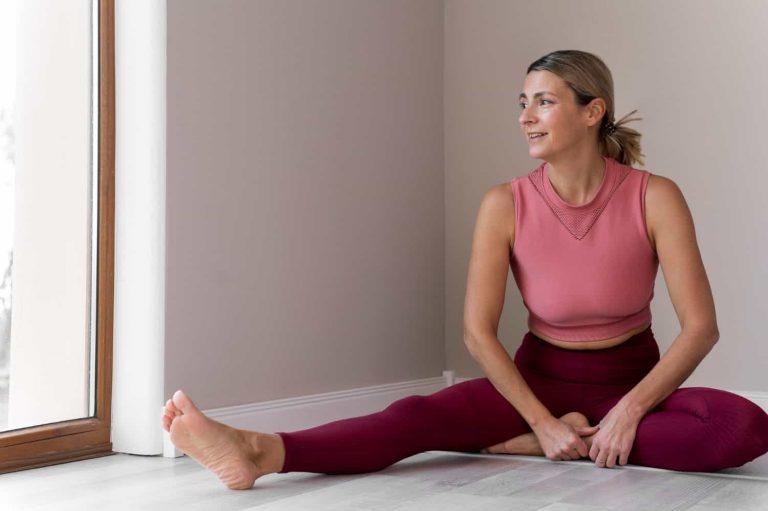
Many individuals experience pelvic bladder tension, which can manifest as discomfort, urinary urgency, or even pain. This condition often leads to feelings of frustration and anxiety, especially when searching for relief. While various treatments exist, not all provide a gentle and effective solution. Reverse kegels emerge as an excellent option, offering a non-invasive way to alleviate tension in the pelvic area.


Reverse kegels focus on relaxing the pelvic floor muscles rather than contracting them, which is traditionally done in regular kegels. This approach allows for a more balanced muscle tone, addressing issues related to pelvic tension. By learning to engage in reverse kegels, individuals can promote relaxation, improve bladder control, and enhance overall pelvic health.
Incorporating reverse kegels into a daily routine can significantly improve symptoms associated with pelvic bladder tension. This guide will provide a comprehensive overview of how to practice these techniques effectively. Readers will learn about the science behind reverse kegels, practical applications, common mistakes, and much more.
Understanding the gentle techniques to ease pelvic bladder tension is essential for achieving long-term relief. The following sections will delve into the practical application of reverse kegels, including detailed protocols and insights into their effectiveness.
Contents
How to Use Reverse Kegels for Real Results
- Best Form: Lying down or seated comfortably
- Best Time: Morning and evening
- Expected Result: Reduced pelvic tension and improved bladder control
For Daily Protection
The Prep: Start by finding a quiet, comfortable space. Lie down on your back with your knees bent and feet flat on the floor. Ensure that your body is relaxed and free of tension. This position helps you focus on your breathing and pelvic muscles.
The Action: Take a deep breath in, allowing your abdomen to rise. As you exhale, gently push your pelvic muscles downward as if you are trying to release a bowel movement. Hold this position for a few seconds while maintaining a relaxed state. Repeat this process for about five to ten minutes.
The Feeling: You may initially experience a slight tingling sensation in the pelvic area. As you become more accustomed to the technique, this feeling will transition into a deeper sense of relaxation. The practice should leave you feeling lighter and more at ease.
Pro Tip: Incorporate visualization techniques by imagining your pelvic floor muscles gently opening and releasing tension during each exhale.
Targeting Acute Pain
The Prep: For this technique, find a seated position on a firm chair or cushion. Sit upright but relaxed, ensuring your feet are flat on the ground. This position helps anchor your body while focusing on pelvic relaxation.
The Action: Inhale deeply through your nose, allowing your abdomen to expand. As you exhale, consciously relax your pelvic floor muscles, visualizing them softening with each breath. Continue this process for several minutes, focusing on any areas of acute discomfort.
The Feeling: You might notice a gradual release of tightness in your pelvic area. This technique often leads to a soothing sensation that can alleviate acute pain. The more you practice, the more familiar this feeling will become.
Pro Tip: Pair this practice with gentle stretches for the hips and lower back to enhance relaxation.
The Nighttime Routine
The Prep: Prepare for this technique by dimming the lights in your room and creating a calming atmosphere. Lie on your side or back, whichever feels most comfortable. Close your eyes to help center your focus.
The Action: Engage in deep, rhythmic breathing. With each exhale, practice the reverse kegel by gently pushing the pelvic floor muscles downward. Hold for a few seconds and then release. Continue for a duration of ten to fifteen minutes, allowing yourself to drift into relaxation.
The Feeling: This nighttime routine may induce a sense of calmness, preparing your body for rest. Many individuals report feeling a deeper connection to their bodies and experiencing improved sleep quality.
Pro Tip: Combine this practice with calming essential oils like lavender to enhance relaxation before sleep.
Avoiding Common Pitfalls
Neglecting Breath Control
Many individuals overlook the importance of breath control when practicing reverse kegels. Focusing solely on the pelvic muscles can lead to tension in other areas of the body. This can hinder the overall effectiveness of the technique.
To avoid this mistake, always incorporate deep breathing into your practice. Inhale through your nose, allowing your body to relax before engaging the pelvic muscles. This synergy enhances the benefits of reverse kegels and promotes a more relaxed state.
Practicing with Tension
Engaging in reverse kegels while feeling tense can be counterproductive. If your body is rigid, you may not achieve the desired relaxation in the pelvic area. This can lead to frustration and reduced effectiveness.
To counteract this issue, ensure that you are in a comfortable setting where you can fully relax. Take a few moments to release tension in your shoulders and back before beginning the practice. This will create an environment conducive to relaxation.
Skipping Consistency
Inconsistent practice can limit the benefits of reverse kegels. Many individuals may try the technique once or twice and expect immediate results. This approach often leads to disappointment.
Establishing a regular routine is essential for reaping the long-term benefits of reverse kegels. Aim to practice daily, gradually increasing the duration as you become more comfortable. Consistency will lead to improved pelvic health over time.
The Mechanisms Behind Relaxation
The biological mechanism of reverse kegels involves the relaxation of the pelvic floor muscles. When these muscles are contracted, tension can build, leading to discomfort. By consciously relaxing these muscles, individuals can alleviate pressure and improve bladder function.
Key compounds involved in muscle relaxation include nitric oxide and various neurotransmitters. These compounds play a crucial role in signaling the body to release tension and promote relaxation. Understanding these mechanisms helps individuals appreciate the importance of reverse kegels in their wellness routine.
For those interested in the clinical evidence supporting the benefits of reverse kegels, research indicates positive outcomes for individuals experiencing pelvic tension. Studies have shown that integrating relaxation techniques can lead to improved bladder control and overall pelvic health. For more detailed research, visit PubMed.
Choosing the Right Technique
- Potency: Ensure that your practice is effective by focusing on the intensity of your engagement. Stronger muscle control leads to better results.
- Purity: Use natural techniques without added stressors. This enhances the overall effectiveness of your practice.
- Form: Select a comfortable position for practicing reverse kegels. This allows for optimal relaxation and focus.
Evaluating Benefits and Risks
| The Benefits | Potential Downsides |
|---|---|
| Improved bladder control and function | Initial discomfort if not practiced correctly |
| Enhanced relaxation and reduced tension | Requires consistent practice for best results |
| Non-invasive and accessible technique | May take time to notice significant benefits |
Supporting Healthy Habits
Incorporating regular physical activity into your routine can significantly enhance the benefits of reverse kegels. Exercise promotes overall muscle tone and flexibility, supporting pelvic health.
Practicing mindfulness and stress-reduction techniques can also be beneficial. Mindfulness helps individuals connect with their bodies, allowing for a more profound understanding of tension and relaxation.
Who Should Avoid This?
- Individuals with severe pelvic pain or injury
- Those with specific medical conditions affecting the pelvic area
- Pregnant women in advanced stages without medical advice
Common Questions
How often should I practice reverse kegels?
Daily practice is recommended for optimal results. Aim for at least five to ten minutes each session.
Can reverse kegels help with urinary incontinence?
Yes, reverse kegels can improve bladder control and reduce symptoms of urinary incontinence.
Are there any side effects?
Most individuals experience no side effects. However, initial discomfort may occur if not practiced correctly.
Can I do reverse kegels while standing?
Yes, reverse kegels can be practiced in various positions, including standing, but lying down is often more effective for beginners.
The Bottom Line
Reverse kegels offer a gentle and effective way to ease pelvic bladder tension.
- The Truth: Results may take time and require consistent practice.
- The Strategy: Incorporate them into your daily routine for best results.
- The Next Step: Consider pairing with mindfulness techniques to deepen relaxation.
Get Your FREE Natural Health Guide!
Subscribe now and receive our exclusive ebook packed with natural health tips, practical wellness advice, and easy lifestyle changes, delivered straight to your inbox.