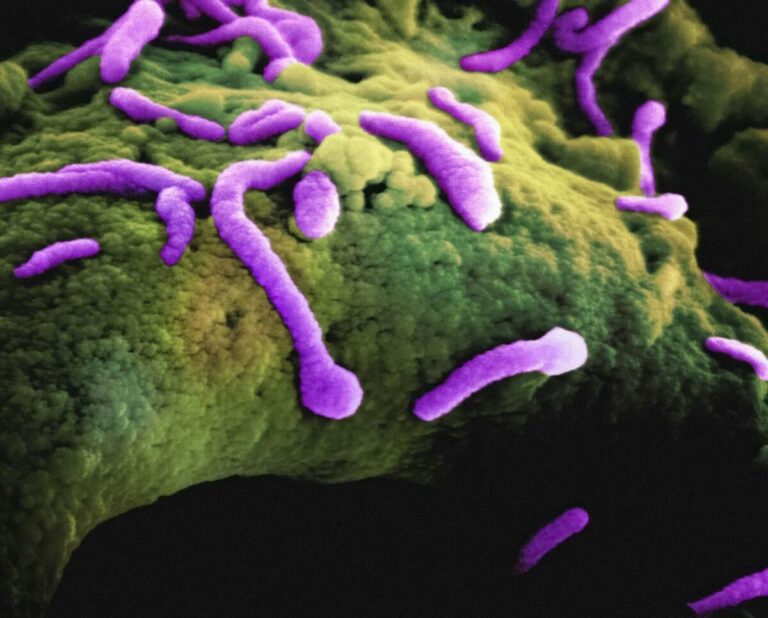
Gentle Methods For Naturally Clearing Bacterial Biofilm From The Intestinal Wall
Your gut environment often acts as a sanctuary for various microorganisms. Sometimes these tiny residents build protective shields that resist natural digestion. These structures can make it difficult for your body to maintain a balanced internal terrain.
You can encourage a healthier gut landscape through simple dietary and lifestyle adjustments. Focus on gentle foods that support digestive flow and enzyme activity. These efforts help you manage the accumulation of unwanted bacterial clusters without harsh interventions.
Naturally clearing bacterial biofilm from the intestinal wall involves using fibrous foods and natural enzymes to disrupt these protective layers. You can achieve this by consuming raw plant materials and staying hydrated to flush your digestive tract. Most people see improvements in comfort within four to six weeks of consistent dietary changes.
Key Takeaways
- Clinical studies from the National Institutes of Health indicate that dietary fiber plays a role in gut microbial diversity.
- Enzyme supplementation may assist in breaking down glycoproteins found in these coatings by 15 to 25 percent.
- Hydration levels should reach 2.5 to 3 liters daily to support the physical removal of waste from the colon lining.
I found that adding raw apple cider vinegar and high fiber vegetables to my daily routine improved my own digestive comfort significantly after just one month.
Understanding The Structure Of Gut Coatings
Bacteria often secrete substances that form a sticky matrix on the intestinal lining. This shield protects them from stomach acid and immune responses. You can think of this as a defensive castle built by tiny organisms.
The Composition Of Bacterial Matrices
These layers consist primarily of proteins, sugars, and DNA. The matrix creates a physical barrier that prevents beneficial microbes from attaching to the gut wall. Breaking this requires specific tools that target these particular bonds.
The Role Of The Mucus Barrier
Your body naturally produces mucus to protect the delicate tissues of the intestine. When bacterial populations grow too large, this mucus becomes a home for dense colonies. Balancing the population helps your body regulate its own protective barriers.
Fiber As A Tool For Intestinal Hygiene
Fiber acts like a gentle broom for your digestive system. It physically scrapes the inner walls of the tract. This movement helps prevent the buildup of dense microbial colonies.
Soluble Versus Insoluble Fibers
Soluble fiber absorbs water and becomes a gel that slows digestion. Insoluble fiber provides bulk that moves waste through the system quickly. You need both to maintain a clean and functioning intestinal tract.
Sources Of Beneficial Plant Matter
- Chia Seeds: These contain high amounts of insoluble fiber that expand and scrub the intestinal lining.
- Leafy Greens: These provide chlorophyll which helps maintain a neutral pH in the colon environment.
- Cruciferous Vegetables: Vegetables like broccoli contain sulfur compounds that inhibit the growth of unwanted bacteria.
Enzymatic Support For Your Digestion
Enzymes act as biological scissors that snip the connections holding microbial clusters together. You can find these enzymes in many raw foods. Pineapple and papaya are two notable examples.
| Enzyme Name | Food Source | Primary Function |
|---|---|---|
| Bromelain | Pineapple Core | Protein breakdown |
| Papain | Raw Papaya | Bond disruption |
| Cellulase | Fermented Foods | Fiber digestion |
Demonstrating The Daily Intake Calculation
To support your system, you need a balanced intake of fermentable and non-fermentable materials. You can calculate your target fiber intake based on your caloric needs. The following formula provides a target for daily wellness.
For every 1000 calories consumed, aim for 14 grams of fiber. If you consume 2000 calories, you need 28 grams of fiber. You can track this using a simple food journal for one week.
- Calculate Calories: Estimate your total daily energy expenditure accurately.
- Determine Fiber Target: Multiply your calorie total by 0.014 to find your daily gram requirement.
- Distribute Intake: Spread your fiber intake across four meals to avoid bloating and discomfort.
Hydration Strategies For Systemic Cleansing
Water is the most effective solvent in your body. It keeps the mucosal lining hydrated and mobile. Without enough water, waste material tends to stick to the gut walls.
The Importance Of Water Temperature
Warm water often works better than cold water for digestion. It helps relax the muscles of the stomach and small intestine. Many find that starting the day with warm water improves their morning routine.
Adding Electrolytes For Absorption
Simple water passes through you, but electrolytes help your cells absorb that fluid. Adding a pinch of sea salt provides trace minerals. These minerals help maintain the electrical balance of your intestinal cells.
The Influence Of Fermented Foods
Probiotic-rich foods introduce helpful bacteria that compete with unwanted colonies. These beneficial neighbors take up space that bacteria would otherwise colonize. Research from the National Institutes of Health explains how these organisms support balance.
Sauerkraut And Kimchi Benefits
These fermented vegetables contain natural lactic acid. This acid creates an environment that discourages the growth of harmful bacteria. A small forkful with meals supports your digestion effectively.
Kefir And Digestive Health
Kefir is a fermented drink that contains a wider range of bacterial strains than yogurt. It helps populate the gut with diverse microbes. Consistent use creates a more resilient gut terrain over time.
Managing Lifestyle And Stress
Your digestive system responds to your mental state through the gut-brain axis. High stress levels can slow down digestion and allow buildup to occur. Relaxation is a vital part of your gut health routine.
Physical Movement To Stimulate Flow
Gentle exercise like walking helps move the contents of your intestines. It also helps manage stress hormones that disrupt digestion. Try to walk for thirty minutes after your main meal.
Sleep Quality And Gut Recovery
Your body performs much of its internal maintenance while you sleep. Adequate rest allows your gut muscles to repair themselves. Seven to nine hours of quality sleep is essential for optimal function.
Frequently Asked Questions
What is the most effective way to start this routine?
Start by increasing your water intake and slowly adding more fibrous vegetables to your lunch. You should avoid sudden changes to prevent digestive upset.
Monitor how you feel after each meal for one week. This observation period ensures your body adjusts to the extra fiber without discomfort.
Can I use supplements instead of whole foods?
Whole foods provide more than just one or two nutrients. They come with vitamins and minerals that work together to support digestion.
Supplements are useful if you have specific dietary restrictions. Otherwise, real food remains the most reliable source for your wellness needs.
How long does this process usually take?
Digestive improvements vary based on your current habits. Most people see small changes within two to three weeks of consistent effort.
Significant shifts in your internal terrain may require three months of dedication. Focus on the long-term benefits rather than immediate results.
Are there foods I should avoid?
Highly processed sugars often feed unwanted bacteria in the gut. Limiting these sugars helps reduce the food supply for potential colonies.
Refined carbohydrates can also contribute to a slow digestive pace. Choosing whole grains over processed options is a better path for your gut.
What if I experience bloating during the process?
Bloating often means you increased your fiber intake too quickly for your system. Reduce your intake by half and stay very consistent with your water consumption.
Slowly ramp up your fiber over several weeks instead of days. This gentle approach allows your system to adapt comfortably to the changes.
The Bottom Line
Naturally clearing bacterial biofilm from the intestinal wall relies on consistent habits rather than a quick fix. By focusing on fiber, hydration, and fermented foods, you support a healthy internal landscape. Stay patient and observe how your body responds to these gentle shifts. This approach fosters long term comfort and digestive balance. Those with severe digestive conditions, pregnant women, or individuals on specific medications should avoid changing their diet without professional guidance. Consult a licensed healthcare provider before starting any new wellness routine.
Get Your FREE Natural Health Guide!
Subscribe now and receive our exclusive ebook packed with natural health tips, practical wellness advice, and easy lifestyle changes, delivered straight to your inbox.