
Contents
Sweet potatoes have gained recognition as a powerhouse food, particularly for those seeking to enhance their workout performance. Many individuals struggle with low energy levels during exercise, often due to insufficient glycogen stores. Glycogen, the stored form of glucose in the body, is essential for fueling high-intensity workouts and prolonged physical activity. When glycogen levels are depleted, energy dips, leading to fatigue and diminished performance.
Incorporating sweet potatoes into your diet can be an effective strategy for replenishing muscle glycogen. These starchy roots are rich in carbohydrates, vitamins, and minerals, making them an ideal fuel source for athletes and fitness enthusiasts. Understanding how to properly integrate sweet potatoes into a nutrition plan can significantly impact workout outcomes and overall fitness goals.
The natural sugars found in sweet potatoes release energy steadily. This gradual release can help maintain stable blood sugar levels, providing sustained energy throughout workouts. Furthermore, their high fiber content aids digestion, ensuring that nutrients are absorbed efficiently.
This guide will explore the benefits of sweet potatoes in fueling workouts, practical applications for their use, common pitfalls to avoid, and the scientific mechanisms behind their effectiveness. By understanding these elements, you can optimize your performance and enhance your fitness journey.
How to Use Sweet Potatoes for Real Results
- Best Form: Baked or mashed
- Best Time: 1-2 hours pre-workout
- Expected Result: Sustained energy levels
Fueling Pre-workout Energy
The Prep: Gather two medium-sized sweet potatoes, olive oil, and seasoning of choice. Preheat your oven to 400°F (200°C). Prepare a baking sheet lined with parchment paper for easy cleanup.
The Action: Wash and peel the sweet potatoes. Cut them into wedges or cubes. Toss the pieces in a bowl with olive oil and your preferred seasonings, such as salt, pepper, or paprika. Spread the sweet potatoes evenly on the baking sheet and bake for 25-30 minutes until golden and tender.
The Feeling: Once consumed about an hour before exercising, you will notice a gradual increase in energy levels. This sustained energy helps you power through your workout without the usual mid-session slump.
Pro Tip: Prepare a larger batch and store leftovers for quick snacks throughout the week.
Post-workout Recovery
The Prep: To create a sweet potato mash, use two medium sweet potatoes, a splash of milk or plant-based alternative, and a pinch of salt. Begin by boiling water in a pot.
The Action: Peel and chop the sweet potatoes into chunks. Boil them in the pot until fork-tender, usually about 15 minutes. Drain the water and mash the sweet potatoes in a bowl, adding milk and salt for desired creaminess.
The Feeling: This nutrient-rich mash replenishes glycogen stores effectively. You’ll feel a satisfying fullness while your body begins to recover from the exertion of your workout.
Pro Tip: Add protein powder or Greek yogurt to the mash for an extra recovery boost.
Incorporating into Meals
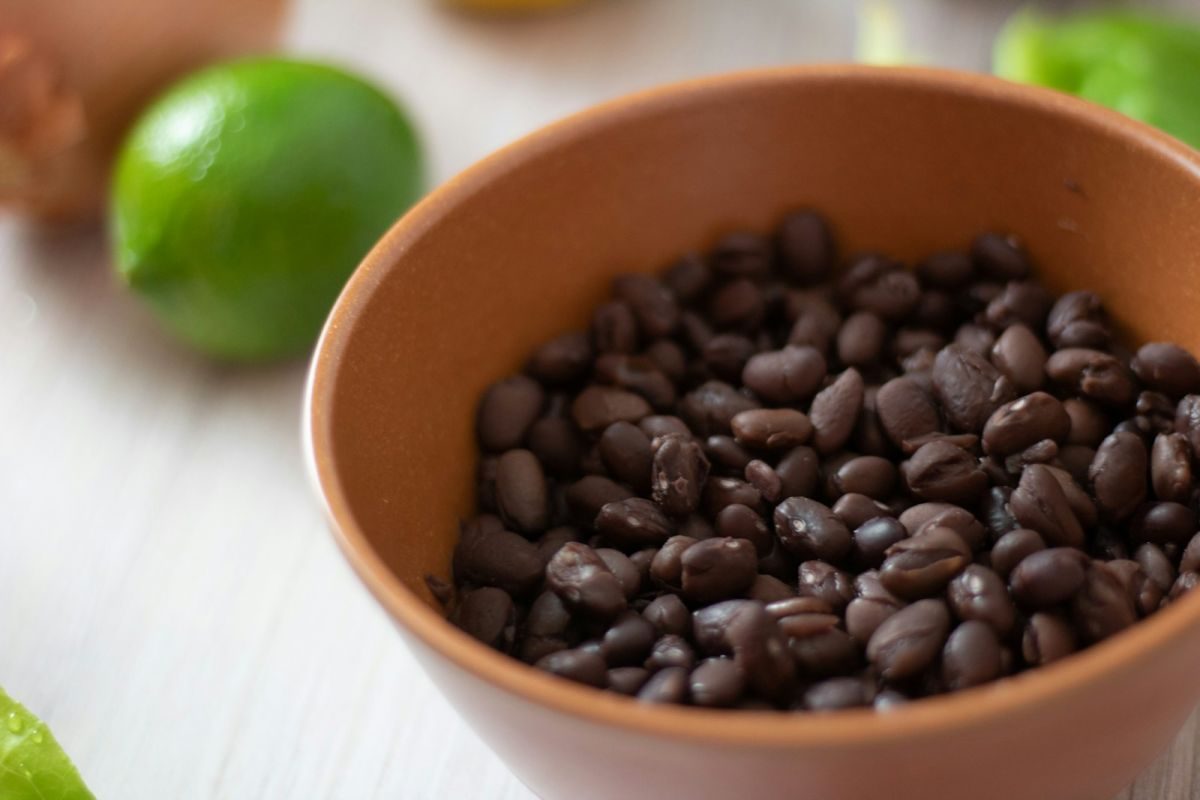
The Prep: Select three medium sweet potatoes, black beans, corn, diced tomatoes, and avocado. Prepare a large bowl for mixing and a skillet for cooking.
The Action: Dice the sweet potatoes and sauté them in the skillet with olive oil until soft. In a separate bowl, combine the cooked sweet potatoes with black beans, corn, and diced tomatoes. Top with sliced avocado for healthy fats.
The Feeling: This meal provides a balanced mix of carbohydrates and proteins. You will feel energized and satisfied, ready to tackle your day or your next workout.
Pro Tip: Prepare this dish in advance for easy meal prep throughout the week.
Avoiding Common Errors
Overlooking Portion Sizes
Many individuals underestimate how much sweet potato they should consume. Consuming too little may not provide adequate energy for workouts, while excessive amounts can lead to unwanted weight gain.
Aim for a serving size of about one medium sweet potato for most individuals. Adjust based on your activity level and nutritional needs. A balanced approach ensures you reap the benefits without overindulgence.
Neglecting Preparation Methods
Not all cooking methods yield the same nutritional benefits. Frying sweet potatoes can add unhealthy fats and calories, negating their positive attributes.
Opt for baking, steaming, or boiling to preserve nutrients. These methods enhance the natural sweetness while keeping the health benefits intact.
Ignoring Nutrient Pairing
Pairing sweet potatoes with protein sources is crucial for muscle recovery. Some individuals consume sweet potatoes alone, missing out on the benefits of a balanced meal.
Combine sweet potatoes with lean proteins like chicken or fish. This balance aids in muscle repair and replenishes glycogen stores effectively.
The Mechanism Behind Glycogen Storage
Sweet potatoes serve as an excellent source of carbohydrates, which are essential for replenishing glycogen stores in muscles. Glycogen is stored in the liver and muscle tissues, acting as a readily available energy source during physical activity. When you consume carbohydrates, they are broken down into glucose, which is then stored as glycogen.
The key compound in sweet potatoes that contributes to this process is starch. Starch is a polysaccharide that breaks down into glucose during digestion. The slow-release nature of sweet potato starch means that glucose enters the bloodstream gradually, providing sustained energy.
Research indicates that carbohydrate intake post-exercise is crucial for effective glycogen replenishment. For further reading on the importance of carbohydrates in recovery, refer to this PubMed search.
Choosing the Right Product
- Potency: Ensure that the sweet potatoes are fresh and firm. Freshness indicates higher nutrient content.
- Purity: Opt for organic sweet potatoes when possible. This reduces exposure to pesticides and enhances overall health benefits.
- Form: Baked or boiled sweet potatoes retain more nutrients compared to fried versions. Choose cooking methods that preserve their health benefits.
Benefits vs Risks
| The Benefits | Potential Downsides |
|---|---|
| Rich in vitamins and minerals | High in carbohydrates, which may not suit low-carb diets |
| Supports sustained energy levels during workouts | Can cause digestive discomfort if consumed in excess |
| Versatile and easy to incorporate into meals | May lead to weight gain if not balanced with other food groups |
Habits to Enhance Results
Incorporating regular strength training into your routine can amplify the benefits of sweet potatoes. Resistance exercises deplete glycogen stores, making the consumption of carbohydrates essential for recovery.
Staying hydrated is equally important. Water aids in digestion and nutrient absorption, ensuring that the carbohydrates consumed are effectively utilized by the body.
Who Should Avoid This?
- Individuals with diabetes should monitor their carbohydrate intake closely.
- Those with specific food allergies should ensure they are not allergic to sweet potatoes.
- People on strict low-carb diets may want to limit their intake.
Common Questions
How many sweet potatoes should I eat before a workout?
One medium sweet potato is generally sufficient for pre-workout energy. Adjust based on individual energy needs.
Can I eat sweet potatoes every day?
Yes, sweet potatoes can be eaten daily as part of a balanced diet, but portion control is essential.
What are the best cooking methods for sweet potatoes?
Baking, steaming, or boiling are preferred methods as they preserve nutrients better than frying.
Are sweet potatoes better than white potatoes?
Sweet potatoes are often considered healthier due to their higher fiber content and vitamins, particularly vitamin A.
The Bottom Line
Incorporating sweet potatoes into your diet can enhance workout performance and recovery.
- The Truth: Overconsumption can lead to excess calories.
- The Strategy: Aim for one medium sweet potato about one to two hours before workouts.
- The Next Step: Consider pairing them with a protein source for balanced nutrition.
Get Your FREE Natural Health Guide!
Subscribe now and receive our exclusive ebook packed with natural health tips, practical wellness advice, and easy lifestyle changes, delivered straight to your inbox.