
Contents
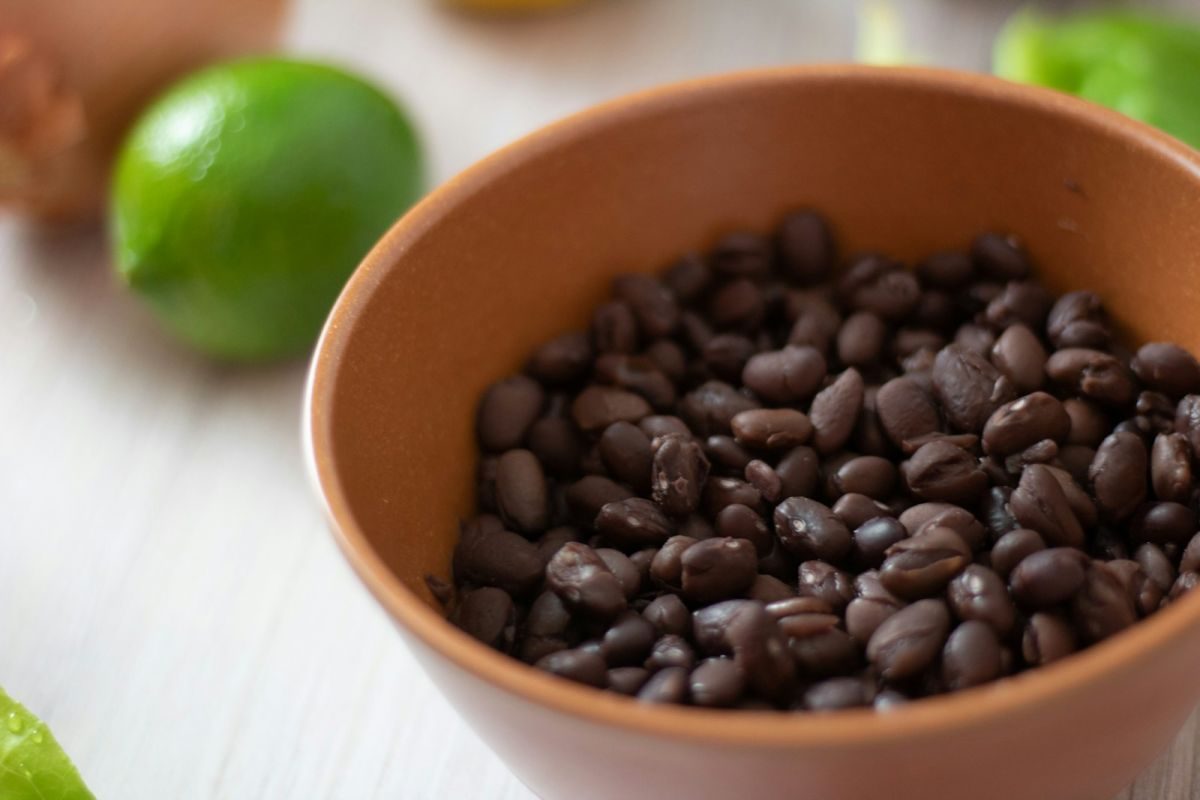
Black beans have emerged as a powerful ally for those seeking to enhance their workout routines and overall health. While many individuals focus on macronutrients like protein and carbohydrates, the role of antioxidants in muscle recovery and performance often goes overlooked. The oxidation that occurs during intense physical activity can lead to muscle fatigue and delayed recovery. Incorporating black beans into your diet provides essential antioxidants that can counteract this oxidative stress, ultimately supporting muscle function and enhancing recovery times.
The unique nutrient profile of black beans makes them an optimal choice for fueling workouts. They are rich in protein, fiber, and a variety of vitamins and minerals. Beyond their macronutrient content, the antioxidants found in black beans, particularly flavonoids, play a crucial role in protecting cells from damage. This protective effect can significantly improve performance and endurance during workouts, making black beans an excellent addition to any athlete’s diet.
Transitioning to a diet that includes black beans can be straightforward, yet meaningful. Whether consumed in salads, soups, or as a side dish, they can be easily integrated into various meals. This flexibility allows individuals to experiment with flavors and recipes that suit their palates while reaping the health benefits. Understanding how to effectively use black beans can empower you to maximize your workouts and overall wellness.
As you explore the benefits of black beans, consider how they can fit into your specific dietary needs and workout goals. This guide will delve into practical applications, common mistakes, the science behind their benefits, and more, providing you with a comprehensive understanding of how to fuel your workouts with black beans effectively.
How to Use Black Beans for Real Results
- Best Form: Cooked or canned black beans.
- Best Time: Consumed 1-2 hours before workouts.
- Expected Result: Enhanced endurance and quicker recovery.
For Daily Protection
The Prep: Gather one cup of cooked black beans, a handful of diced tomatoes, half an avocado, and a sprinkle of lime juice. This combination not only provides antioxidants but also healthy fats and fiber, creating a balanced meal.
The Action: Mix the black beans with diced tomatoes and avocado in a bowl. Squeeze fresh lime juice over the mixture and season with salt and pepper to taste. This dish can be served on its own or as a filling for a wrap.
The Feeling: Expect a satisfying fullness from the fiber, along with a refreshing tang from the lime. This meal will provide lasting energy without causing a heavy feeling during workouts.
Pro Tip: Prepare a larger batch and store it in the refrigerator for quick access throughout the week.
The Post-Workout Recovery
The Prep: Use one cup of black beans, one ripe banana, and a scoop of protein powder. This combination will help to replenish nutrients lost during exercise.
The Action: Blend the black beans, banana, and protein powder with water or milk of choice until smooth. This creates a nutrient-dense smoothie perfect for recovery after a workout.
The Feeling: You will feel rejuvenated, with a boost in energy as the carbohydrates from the banana and the protein from the powder assist in muscle repair. The smooth texture makes it easy to digest quickly.
Pro Tip: Add spinach to the smoothie for an extra dose of vitamins and minerals without altering the taste.
The Energizing Snack
The Prep: Prepare black bean hummus using one cup of cooked black beans, tahini, garlic, and olive oil. This snack is rich in protein and healthy fats.
The Action: Blend the black beans with tahini, minced garlic, and olive oil until smooth. Adjust seasoning with salt and pepper, and serve with whole-grain pita or vegetable sticks.
The Feeling: This snack will provide a satisfying crunch and a creamy texture. The combination of fiber and protein will keep you energized and curb cravings between meals.
Pro Tip: Experiment with spices like cumin or chili powder to customize the flavor profile of your hummus.
Avoiding Common Pitfalls with Black Beans
Neglecting Preparation Techniques
Using improperly prepared black beans can lead to digestive discomfort. Canned beans should be rinsed thoroughly to remove excess sodium and preservatives. Dried beans require soaking to reduce cooking time and improve digestibility. Ensuring proper preparation enhances nutrient absorption and minimizes gastrointestinal issues.
To avoid these pitfalls, always rinse canned beans under running water. For dried beans, soak them overnight in water, then cook them until tender. This simple step can make a significant difference in your overall experience with black beans.
Overlooking Nutrient Pairing
Failing to pair black beans with complementary foods can limit their health benefits. Combining black beans with vitamin C-rich foods enhances iron absorption, crucial for muscle function. For example, adding bell peppers or citrus fruits can significantly boost the nutrient profile of your meal.
To maximize the benefits of black beans, consider pairing them with foods rich in vitamin C. This can transform a simple black bean salad into a powerhouse of nutrients, supporting overall health and workout recovery.
Ignoring Portion Control
Consuming excessive amounts of black beans can lead to unwanted digestive issues. While they are a healthy food choice, moderation is key. A typical serving size is about one cup. Overindulging can result in bloating or discomfort, detracting from their benefits.
To prevent this, stick to recommended serving sizes and balance your meals with a variety of other foods. This ensures that you reap the benefits of black beans without overloading your digestive system.
The Science Behind Black Beans and Muscle Recovery
The biological mechanism of antioxidants in black beans involves the neutralization of free radicals produced during exercise. These free radicals can lead to oxidative stress, damaging muscle cells and inhibiting recovery. Black beans contain compounds that scavenge these free radicals, protecting muscle integrity and promoting faster recovery.
Flavonoids, a key compound in black beans, contribute to their antioxidant properties. These compounds have been extensively studied for their ability to reduce inflammation and oxidative damage. The presence of flavonoids not only supports muscle health but also enhances overall athletic performance by improving blood flow and endurance.
Clinical studies have demonstrated the efficacy of antioxidants in exercise recovery. Research shows that diets rich in antioxidants can mitigate muscle soreness and enhance recovery time. For further reading, explore this PubMed search that highlights various studies on the topic.
Choosing the Right Product
- Potency: Ensure that the black beans you choose have a high antioxidant content to maximize health benefits. This is crucial for effective recovery and muscle protection.
- Purity: Look for organic black beans to avoid exposure to pesticides and chemicals. High purity ensures better health outcomes and supports your overall wellness.
- Form: Opt for either canned or dried beans based on convenience and preference. Both forms offer unique benefits, with canned beans providing ease of use and dried beans offering freshness and customization.
Assessing the Trade-Offs
| The Benefits | Potential Downsides |
|---|---|
| Rich in antioxidants that support muscle recovery | Can cause digestive discomfort if consumed in excess |
| High in protein and fiber, promoting satiety | Some individuals may be allergic or intolerant |
| Versatile and easy to incorporate into meals | May require preparation time if using dried beans |
Habits for Enhanced Wellness
Incorporating regular hydration into your routine can amplify the benefits of black beans. Proper hydration supports digestion and ensures optimal nutrient absorption. Aim to drink plenty of water throughout the day, especially when consuming fiber-rich foods like black beans.
Engaging in strength training exercises complements the muscle recovery benefits of black beans. Resistance training promotes muscle repair and growth, making it an ideal pairing with the nutritional support provided by black beans.
Who Should Avoid This?
– Individuals with known allergies to legumes.
– Those with specific digestive disorders, such as irritable bowel syndrome.
– People on strict low-fiber diets for medical reasons.
Common Questions
How can I incorporate black beans into my diet?
Adding black beans to salads, soups, or as a side dish can enhance meals while providing essential nutrients.
Are canned black beans as healthy as dried?
Canned black beans are convenient and nutritious, but always choose low-sodium options and rinse them before use.
How many servings of black beans should I consume weekly?
Aim for 2-3 servings of black beans per week to enjoy their health benefits without overdoing it.
Can black beans help with weight loss?
Yes, their high fiber and protein content can promote satiety and help regulate appetite.
The Bottom Line
Incorporating black beans into your diet can significantly enhance your workout performance and recovery.
- The Truth: While beneficial, they are not a standalone solution for muscle recovery.
- The Strategy: Consume them 1-2 hours before workouts for optimal energy.
- The Next Step: Experiment with different recipes to find your favorite way to enjoy black beans.
Get Your FREE Natural Health Guide!
Subscribe now and receive our exclusive ebook packed with natural health tips, practical wellness advice, and easy lifestyle changes, delivered straight to your inbox.