
Contents
Recovery from physical exertion can be a challenging journey. Many athletes and active individuals face hurdles such as fatigue, muscle soreness, and the need for rapid replenishment. These factors can significantly hinder performance and overall well-being. It is essential to identify effective nutritional strategies that support recovery and enhance performance.
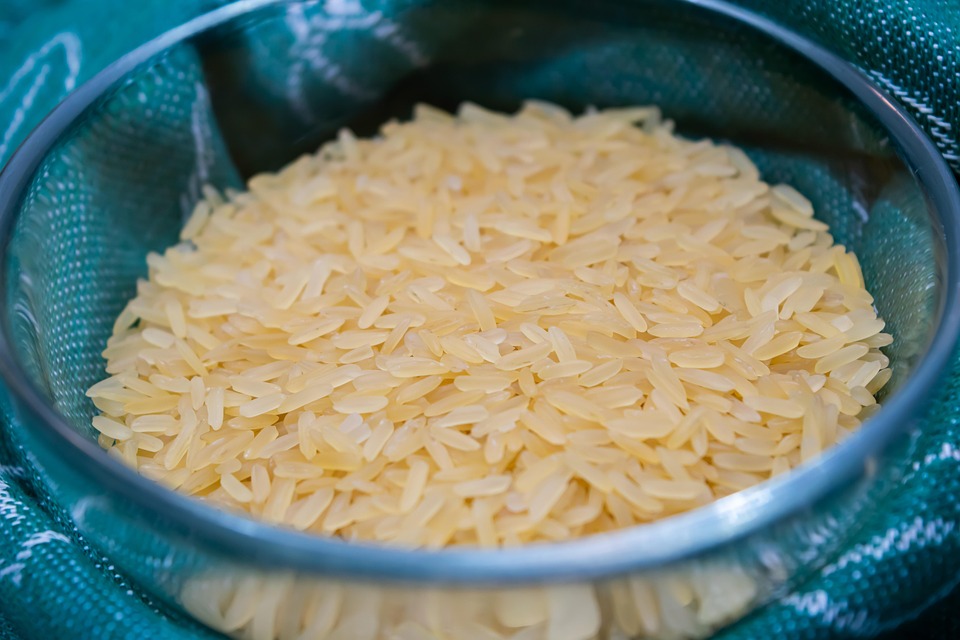
One such strategy involves incorporating white rice into your post-exercise meals. This carbohydrate-rich food serves as an excellent source of energy, helping to restore glycogen levels depleted during physical activity. Understanding the benefits of white rice can empower individuals to make informed dietary choices, facilitating a more efficient recovery process.
This guide explores the multifaceted advantages of white rice, particularly its role in fueling recovery. The content will delve into practical applications, common mistakes, scientific mechanisms, and lifestyle integrations, providing a comprehensive understanding of how white rice can be a top choice for recovery.
Incorporating white rice into your diet is not just about satisfying hunger. It is about strategically using a food that can optimize recovery, enhance performance, and support overall health. By the end of this guide, you will have actionable insights to effectively use white rice as a vital part of your recovery regimen.
How to Use White Rice for Real Results
- Best Form: Cooked white rice
- Best Time: Within 30 minutes post-exercise
- Expected Result: Enhanced glycogen replenishment and reduced muscle soreness
For Daily Energy Restoration
The Prep: Start with one cup of cooked white rice. Add a source of lean protein, such as grilled chicken or tofu, and some steamed vegetables for added nutrients. Season with a pinch of salt and a drizzle of olive oil for flavor and healthy fats.
The Action: After your workout, consume this meal within thirty minutes. This timing is crucial for optimal glycogen replenishment. The combination of carbohydrates from the rice and protein from the chicken or tofu will work synergistically to support muscle recovery.
The Feeling: You may experience a sense of fullness and satisfaction as your body begins to absorb the nutrients. The energy boost will be noticeable within an hour, helping you feel more vibrant and ready for your next activity.
Pro Tip: Consider adding a variety of colorful vegetables to enhance the meal’s antioxidant content.
Post-Workout Muscle Recovery
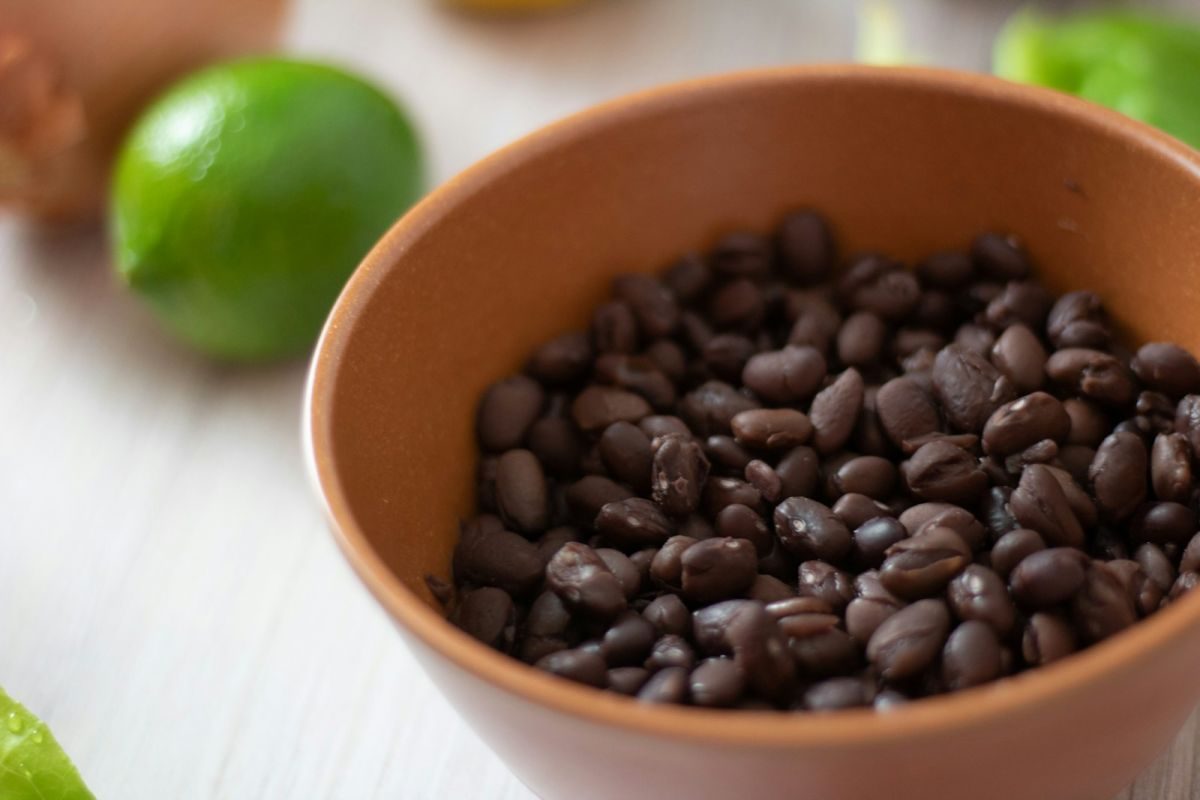
The Prep: Prepare one cup of white rice and mix it with a can of black beans for added protein and fiber. Include avocado slices for healthy fats and a sprinkle of lime juice for flavor.
The Action: Consume this combination after an intense workout session. The high carbohydrate content of the rice and the protein from the beans will help repair muscle tissue while replenishing energy stores.
The Feeling: You might feel a wave of relief as your body starts to recover from the workout. The meal will provide sustained energy, keeping you energized without feeling sluggish.
Pro Tip: Experiment with different spices to keep your meals exciting and flavorful.
The Evening Recovery Meal
The Prep: Cook one cup of white rice and pair it with a protein source like salmon. Add steamed broccoli or asparagus to provide essential vitamins and minerals.
The Action: Enjoy this meal in the evening, ideally a few hours before bedtime. The carbohydrates will help induce sleepiness, while the protein aids in muscle repair during sleep.
The Feeling: You may notice a sense of relaxation and readiness for sleep after this meal. The combination of protein and carbs will help your body recover overnight.
Pro Tip: A small amount of healthy fat, such as olive oil or nuts, can enhance nutrient absorption.
Avoiding Common Pitfalls in Recovery
Neglecting Balanced Pairings
Incorporating regular physical activity into your routine can complement the benefits of consuming white rice. Aim for a balanced mix of cardio and strength training to enhance recovery. Mindful eating practices will also support your recovery. Pay attention to portion sizes and meal timing to optimize the benefits of white rice and ensure a balanced diet.
White rice is often preferred for quick energy replenishment due to its higher glycemic index, making it ideal for post-workout recovery. A serving of one cup of cooked white rice is generally recommended, but portion sizes may vary based on individual energy needs. While white rice can be part of a balanced diet, it is important to incorporate a variety of foods to ensure adequate nutrient intake. Quinoa, sweet potatoes, and whole grain pasta can be good alternatives that also provide carbohydrates for recovery. White rice serves as an effective tool for enhancing recovery after physical activity.
Get Your FREE Natural Health Guide!Choosing Low-Quality Rice
Overconsumption
The Science Behind Recovery
Selecting the Right Rice for Recovery
Evaluating Benefits and Risks
The Benefits
Potential Downsides
Quick energy replenishment
High glycemic index may lead to blood sugar spikes
Easy to digest
May lack fiber if consumed alone
Versatile in meals
Overconsumption can lead to weight gain
Integrating Healthy Habits
Who Should Avoid This?
Common Questions
Is white rice better than brown rice for recovery?
How much white rice should I consume after a workout?
Can I eat white rice every day?
What are some alternatives to white rice?
The Bottom Line
Subscribe now and receive our exclusive ebook packed with natural health tips, practical wellness advice, and easy lifestyle changes, delivered straight to your inbox.