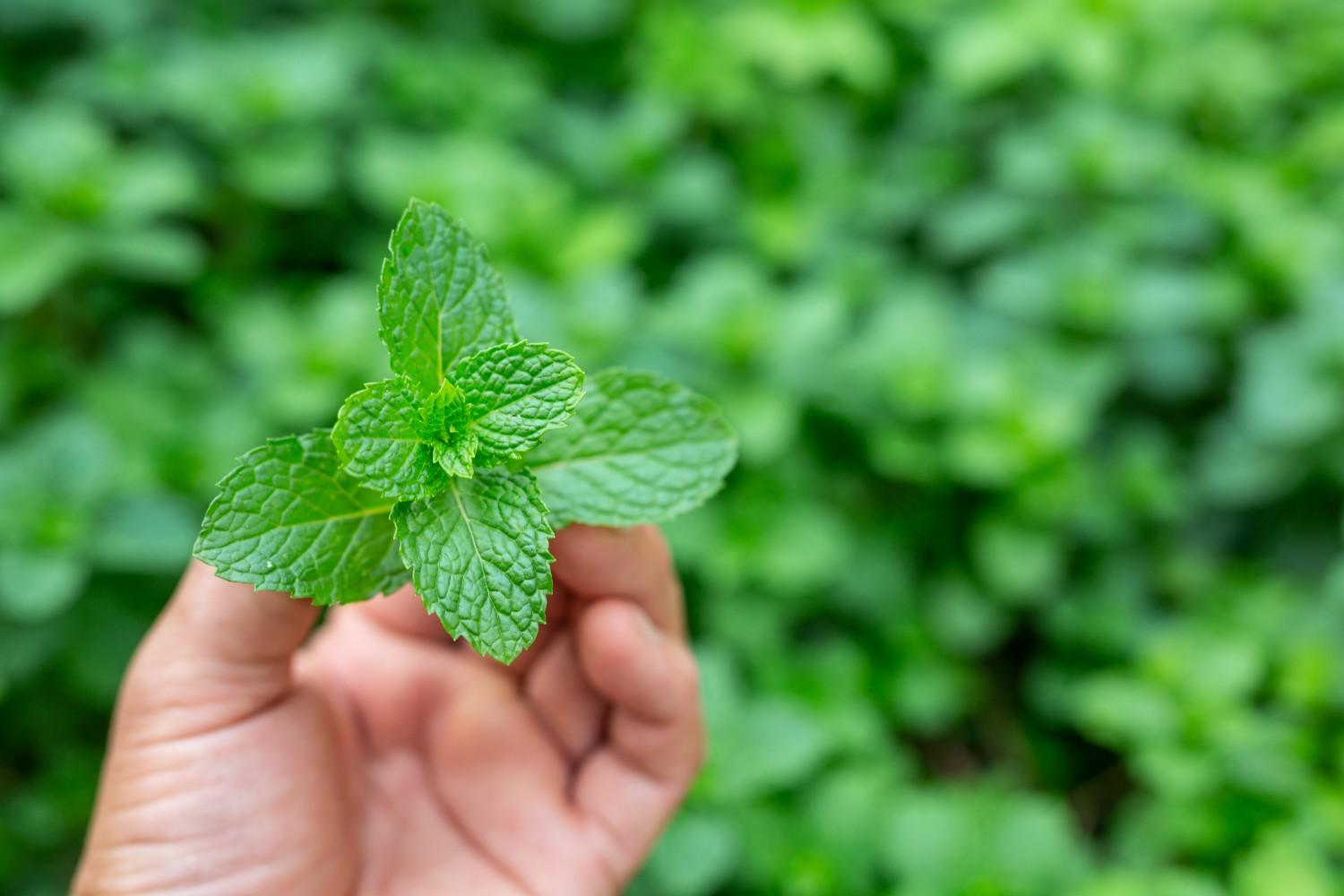

Have you ever been caught in a conversation and suddenly felt self-conscious about your breath? It’s a common concern, yet many people overlook simple, natural solutions. Enter mint leaves, a powerful ally in the quest for fresh breath. This article dives deep into the secrets of using mint leaves to combat bad breath, exploring their benefits, practical applications, and a few surprises along the way.
Contents
- The Power of Mint: A Personal Reflection
- Understanding Bad Breath
- Mint Leaves: Nature’s Breath Freshener
- Practical Applications of Mint Leaves
- Cultural Context: Mint Around the World
- Myths and Realities About Mint for Bad Breath
- Real-Life Examples: Mint in Action
- Cautionary Notes on Mint Use
- FAQs About Mint and Bad Breath
- Conclusion: Embracing Nature’s Remedies
- References
The Power of Mint: A Personal Reflection
I remember the first time I was introduced to mint as a breath freshener. I was at my grandmother’s house, and she would always offer me a cup of herbal tea infused with fresh mint leaves after meals. The refreshing aroma would fill the air, and I couldn’t help but feel rejuvenated. Little did I know, those simple leaves held a wealth of benefits for oral health.
Mint, particularly peppermint and spearmint, is more than just a flavoring agent; it’s a natural remedy with a long history. From ancient Egyptian tombs to modern-day chewing gums, mint has been cherished for its ability to freshen breath and promote oral hygiene.
Understanding Bad Breath
Before diving into how mint leaves can help, it’s essential to understand what causes bad breath. Halitosis, the medical term for bad breath, can stem from various factors. Here are some key contributors:
1. Poor Oral Hygiene
Neglecting to brush and floss regularly can lead to the buildup of plaque and bacteria, which are primary culprits of bad breath.
2. Diet Choices
Certain foods, like garlic and onions, can linger in your mouth and affect your breath long after you’ve eaten them.
3. Dry Mouth
Saliva helps cleanse the mouth. Reduced saliva production can lead to dry mouth, which can exacerbate bad breath.
4. Medical Conditions
Some underlying health issues, such as diabetes or sinus infections, may also contribute to unpleasant odors.
Mint Leaves: Nature’s Breath Freshener
Mint leaves offer a natural solution to combat the factors leading to bad breath. Here’s how they work:
Antimicrobial Properties
Mint contains compounds like menthol, which have antimicrobial properties. According to a study published in the Journal of Agricultural and Food Chemistry, menthol can inhibit the growth of certain bacteria that contribute to bad breath. This means that chewing on mint leaves not only masks bad odors but actively combats the bacteria responsible for them.
Fresh Aroma
The invigorating scent of mint is often enough to boost your confidence during conversations. The refreshing aroma can stimulate your senses and leave a lasting impression.
Saliva Production
Mint can stimulate saliva production, which is crucial for maintaining oral health. A study from the National Institutes of Health highlights that increased saliva flow helps neutralize acids and wash away food particles, further reducing the chances of bad breath.
Practical Applications of Mint Leaves
Now that we understand the benefits, let’s explore some practical ways to incorporate mint leaves into your daily routine.
1. Chewing Fresh Mint Leaves
One of the simplest ways to freshen your breath is by chewing on fresh mint leaves. Just a few leaves can provide an instant refreshment. I often carry a small bag of fresh mint in my purse for those moments when I need a quick breath booster.
2. Mint Tea
Brewing a cup of mint tea is not only soothing but also effective in combating bad breath. Simply steep fresh mint leaves in hot water for a few minutes, strain, and enjoy. The warmth of the tea can also aid in saliva production, enhancing its breath-freshening effects.
3. Mint-infused Water
Infusing water with mint leaves is a delightful way to stay hydrated while enjoying fresh breath. Simply add a handful of mint leaves to a pitcher of water and let it sit for a few hours. You’ll have a refreshing drink that promotes oral health.
4. Mint Mouthwash
Creating a homemade mint mouthwash is easy and effective. Combine equal parts water and alcohol-free mouthwash with a few drops of peppermint essential oil. Swish it around in your mouth for a minty fresh experience.
5. Minty Smoothies
Incorporating mint into your smoothies not only enhances flavor but can also provide breath-freshening benefits. A blend of spinach, banana, yogurt, and fresh mint leaves makes for a nutritious and delicious drink.
Cultural Context: Mint Around the World
Mint has been used across various cultures for centuries. In Middle Eastern cuisine, mint is a staple in many dishes, providing not only flavor but also a refreshing aftertaste. In India, mint chutney is a common condiment that accompanies meals, ensuring that diners can enjoy a fresh palate even after rich dishes.
Moreover, in ancient Rome, mint was often used as a decoration during feasts, symbolizing hospitality and freshness. These cultural practices underscore the long-standing appreciation for mint as a natural breath freshener.
Myths and Realities About Mint for Bad Breath
Despite its popularity, there are some myths surrounding the use of mint for bad breath that deserve clarification.
Myth: Mint Leaves Completely Eliminate Bad Breath
While mint leaves can significantly improve breath freshness, they are not a cure-all. If bad breath persists, it may be a sign of an underlying health issue. It’s crucial to maintain good oral hygiene and consult a healthcare professional if problems continue.
Myth: All Mint Products Are Equally Effective
Not all mint products are created equal. Some commercial mint-flavored gums or candies may contain sugar, which can contribute to tooth decay and exacerbate bad breath. Opting for natural mint leaves or sugar-free products is always a better choice.
Real-Life Examples: Mint in Action
Let’s take a look at some real-life applications of mint leaves in breath freshening:
Case Study: The Restaurant Owner
A friend of mine owns a small café that specializes in herbal teas and natural remedies. She noticed that customers often commented on feeling refreshed after enjoying her mint tea. Encouraged by this feedback, she started promoting the health benefits of mint, including its ability to combat bad breath. As a result, her café saw a significant increase in customers who were interested in natural health solutions.
Anecdote: The Dinner Party
At a recent dinner party, I served a mint-infused salad dressing. Guests raved about the flavor and freshness it added to the meal. To my surprise, many of them mentioned that they felt their breath was fresher afterward, even after indulging in garlic-laden dishes. It was a testament to mint’s power in enhancing not just flavor but also oral hygiene.
Cautionary Notes on Mint Use
While mint leaves are generally safe, there are a few caveats to consider:
1. Allergic Reactions
Some individuals may have allergies to mint. If you experience any adverse reactions, such as skin irritation or gastrointestinal discomfort, it’s best to discontinue use and consult a healthcare provider.
2. Overconsumption
Consuming excessive amounts of mint can lead to digestive issues. Moderation is key. Incorporating mint into your diet in reasonable amounts can provide benefits without any adverse effects.
3. Not a Substitute for Dental Care
Mint should complement, not replace, regular dental care. Brushing, flossing, and routine dental check-ups are essential for maintaining oral health.
FAQs About Mint and Bad Breath
1. How often should I chew mint leaves for fresh breath?
Chewing a few fresh mint leaves after meals or whenever you feel the need for a quick refresh is typically effective.
2. Can mint tea replace my regular mouthwash?
While mint tea can help freshen breath, it should not replace a proper mouthwash that targets bacteria and plaque.
3. Are there any side effects of using mint for bad breath?
Most people can consume mint without issues, but some may experience allergies or digestive discomfort if consumed in excess.
4. Is it better to use fresh mint or dried mint for breath freshening?
Fresh mint is generally more effective due to its higher concentration of essential oils. However, dried mint can still provide benefits.
5. Can I use mint essential oil for bad breath?
Yes, but it should be diluted with a carrier oil or water before use. Always ensure that the essential oil is food-grade if you plan to ingest it.
Conclusion: Embracing Nature’s Remedies
Mint leaves are a remarkable natural remedy for freshening breath, rooted in history and supported by science. While they can significantly improve your breath, it’s essential to pair them with good oral hygiene and regular dental care. As I continue to incorporate mint into my daily routine, I’m reminded of its simplicity and effectiveness.
The next time you find yourself in a conversation and worry about your breath, consider reaching for those vibrant green leaves. They offer more than just a fleeting freshness—they provide a holistic approach to oral health.
Disclaimer: This article is for educational purposes only and does not replace professional medical guidance. Always speak with a qualified healthcare provider before making changes to your health routine.
References
- K. J. G. (2018). “Antimicrobial Properties of Menthol.” Journal of Agricultural and Food Chemistry. Link
- National Institutes of Health. “Saliva and Oral Health.” Link
- Cleveland Clinic. “Bad Breath (Halitosis).” Link
Get Your FREE Natural Health Guide!
Subscribe now and receive our exclusive ebook packed with natural health tips, practical wellness advice, and easy lifestyle changes, delivered straight to your inbox.