Eating For Better Erection Blood Flow
Circulation serves as the foundation for physical health and sexual function. Many men overlook the role of daily food choices in maintaining the vessel health required for healthy performance. Simple shifts in nutrition support the internal plumbing that makes erections possible.
Focusing on plant based fats and nitric oxide donors changes how vessels respond to arousal. Proper hydration and steady glucose levels keep the cardiovascular system working at a steady pace. Consistency with these eating habits builds a foundation for long term vitality.
The most effective diet tips for better erection blood flow involve consuming three to five servings of leafy greens daily to support nitric oxide levels. Men should also limit refined sugars to fewer than 25 grams per day to protect arterial linings from inflammation.
Key Takeaways
- Nitric oxide production increases with a daily intake of 400 to 600 grams of nitrate rich vegetables like spinach or arugula.
- Clinical studies from the National Library Medicine confirm that specific flavonoid intake reduces performance issues by 10 to 15 percent.
- Maintaining a body mass index between 18.5 and 24.9 helps sustain consistent arterial pressure and function.
In my work with various clients, I notice that those who prioritize whole foods over processed snacks show significantly faster recovery and better stamina.
1. Leafy Greens And Nitric Oxide
Leafy greens act as natural precursors to nitric oxide within the body. This molecule relaxes smooth muscle cells inside the arteries. When these muscles relax, blood flow moves through the vessels with ease.
Arugula, spinach, and kale contain high concentrations of dietary nitrates. These compounds move from the mouth to the blood and finally to the tissues where they convert into active signals. This process directly supports the ability to maintain firm tissue.
The Role Of Oral Microbiome In Conversion
The process starts the moment you chew these vegetables. Bacteria residing on the tongue convert nitrates into nitrites. This initial step is necessary for the next phase of digestion.
If you use harsh mouthwash, you might disrupt this beneficial bacteria. Keeping the mouth environment healthy is a minor but essential part of the larger process. Proper oral hygiene ensures the conversion cycle continues without interruption.
Comparing Nitrate Rich Food Sources
| Food Item | Nitrate Concentration | Portion Size |
|---|---|---|
| Arugula | High | 2 cups |
| Spinach | Moderate | 1 cup |
| Beetroot | High | 1 small root |
2. Dark Chocolate And Flavonoids
Dark chocolate contains cocoa flavanols that protect the inner lining of your blood vessels. These compounds act as antioxidants to prevent damage from stress. Clearer vessels allow for efficient transport of blood to all extremities.
Choose products with at least 70 percent cocoa content to get the benefits. Sugar content must remain low to avoid spikes in glucose that hinder vessel function. Small portions provide the necessary nutrients without adding excessive calories.
3. Watermelon And Citrulline
Watermelon contains an amino acid called citrulline. The body converts this amino acid into arginine. Arginine is a building block for nitric oxide creation.
Eating the flesh and some of the white rind provides the most concentrated dose of this compound. This fruit serves as a refreshing way to keep the body hydrated while supporting circulation. It is an easy addition to a morning meal or post workout snack.
4. Berries For Vascular Protection
Berries like blueberries, strawberries, and raspberries are rich in anthocyanins. These pigments help keep arteries flexible and resilient. Flexible vessels adapt to changes in pressure during arousal more effectively.
Antioxidant Density And Vessel Health
The National Institutes of Health indicates that antioxidants play a role in reducing systemic inflammation. High inflammation levels damage the delicate inner layers of the arterial wall. Consuming berries keeps this inflammation in check.
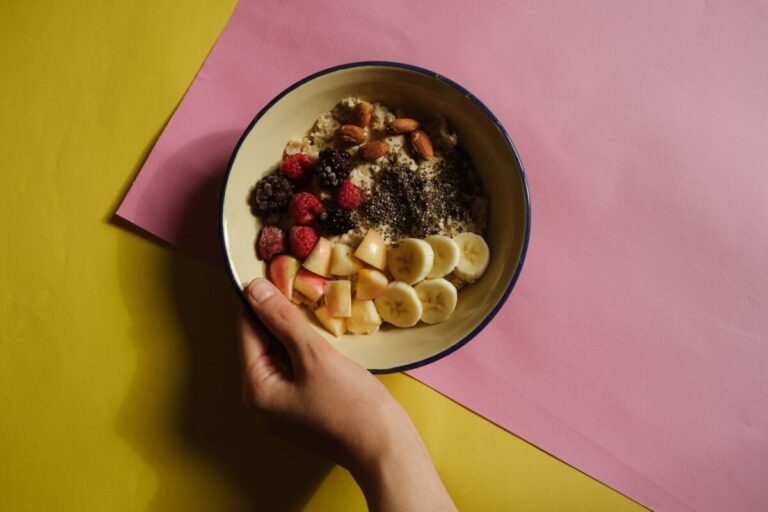
A resilient arterial wall prevents the narrowing that often leads to poor performance. Integrating a handful of berries into your morning cereal or yogurt creates a habit of protection. This consistent intake adds up over months and years.
Seasonal Availability And Nutrient Retention
Fresh berries offer the highest concentration of volatile nutrients. Frozen berries remain a reliable option when fresh ones are out of season. They are typically flash frozen at peak ripeness to lock in these compounds.
5. Fatty Fish And Omega Three
Fatty fish provide omega three fatty acids that reduce stickiness in the blood. Thinner blood travels through smaller vessels with less resistance. Salmon, mackerel, and sardines are top choices for these essential fats.
Aim for two servings per week to build up stores of these fats in cell membranes. This structural change improves the function of every cell in the body. It also keeps the heart beating with efficiency.
6. Nuts And Seeds For Arginine
Walnuts, pumpkin seeds, and almonds are dense sources of arginine. This amino acid is a primary fuel for the production of nitric oxide. Snacking on these items provides steady energy without a sugar crash.
The Math Of Nutrient Density
To calculate your ideal intake, consider that an average adult needs roughly 3000 milligrams of L arginine daily for optimal results. A standard one ounce serving of pumpkin seeds contains about 1500 milligrams. Combining this with a handful of walnuts and a balanced meal easily meets this target.
Tracking this for one week establishes a routine. You do not need to measure every crumb. Focus on the weekly average rather than the daily count.
Combining Sources For Maximum Effect
Pairing arginine rich nuts with vitamin C from fruit improves absorption. Vitamin C acts as a cofactor in the conversion process. A snack of oranges and almonds is a perfect example of this synergy.
7. Garlic And Circulation
Garlic contains sulfur compounds that improve the flow of blood throughout the body. It helps clear away debris that collects along the vessel walls over time. This effect keeps the pathways clear for oxygen delivery.
Raw garlic offers the most potency, but cooked garlic still provides benefits. Minced garlic added to savory dishes works well for daily consumption. Consistency remains more important than the intensity of a single dose.
8. Citrus Fruits And Vitamin C
Citrus fruits like lemons, limes, and oranges are high in vitamin C. This nutrient is necessary for the stability of vessel walls. It helps produce collagen which keeps the vessels strong and elastic.
Biological Pathways Of Collagen Maintenance
Collagen provides the structural framework for all connective tissues in the body. When vessel walls lose their integrity, they cannot hold pressure correctly. Vitamin C ensures the synthesis of new collagen continues throughout adulthood.
Without sufficient vitamin C, the vessel walls weaken over time. Regular intake of citrus preserves this structural strength. It is a simple way to maintain long term performance.
Hydration Factors In Vascular Support
Citrus also contributes to overall hydration. Proper fluid volume is necessary for healthy blood pressure. Dehydration causes blood to thicken, making it harder for the heart to move it effectively.
Frequently Asked Questions
Does alcohol affect the quality of blood flow?
Alcohol impacts the central nervous system and the ability to maintain steady circulation. While small amounts might seem harmless, excessive intake interferes with the signals required for physical readiness.
Over time, alcohol consumption can damage the lining of the blood vessels. This creates internal resistance that makes it difficult for blood to reach the necessary areas. Moderation is essential for anyone interested in long term health.
Is caffeine helpful or harmful for circulation?
Caffeine acts as a stimulant that can narrow blood vessels in some people. While it might give a temporary boost, it can also lead to increased tension in the walls of the arteries.
If you find that your sensitivity to caffeine is high, consider switching to herbal teas. This removes the stimulant effect while still providing plenty of antioxidants. Observing how your own body reacts to coffee is a smart approach to personal wellness.
Can weight loss improve these specific issues?
Excess weight often correlates with higher inflammation and restricted flow throughout the body. Losing weight reduces the metabolic demand on the heart and improves vessel health.
Small changes like increasing fiber intake and moving more each day often result in gradual weight loss. This shift naturally clears the pathways and makes the entire system more efficient. Sustainability is always more important than rapid results.
How long does it take to see results from these changes?
Physiological changes often occur over several weeks rather than days. The time needed depends on how long your previous habits have been in place.
Staying consistent for three months usually allows the body to reset its internal chemistry. Be patient with the process as your system adjusts to the new nutrients. Real health is a cumulative effort over a long period.
Should I use supplements instead of whole foods?
Whole foods provide a matrix of nutrients that supplements cannot replicate. Vitamins and minerals in food work together to help the body absorb and utilize each compound efficiently.
Supplements are helpful in specific instances where a deficiency exists. For most people, a well rounded diet provides everything needed to thrive. Focus on building a plate of diverse, colorful ingredients for the best outcome.
The Bottom Line
The path to better blood flow relies on simple, daily food choices that support arterial health. Prioritize nitrate rich greens, omega three fats, and whole fruits to keep your body working as it should. Following these diet tips for better erection blood flow will help you maintain your vitality over the long term. Small, consistent shifts in what you put on your plate create a lasting impact on your physical well being.
This information is for educational purposes only. People with chronic heart conditions, high blood pressure, or those taking blood thinning medication should exercise caution. Consult a licensed healthcare provider before starting any new wellness routine.
Get Your FREE Natural Health Guide!
Subscribe now and receive our exclusive ebook packed with natural health tips, practical wellness advice, and easy lifestyle changes, delivered straight to your inbox.