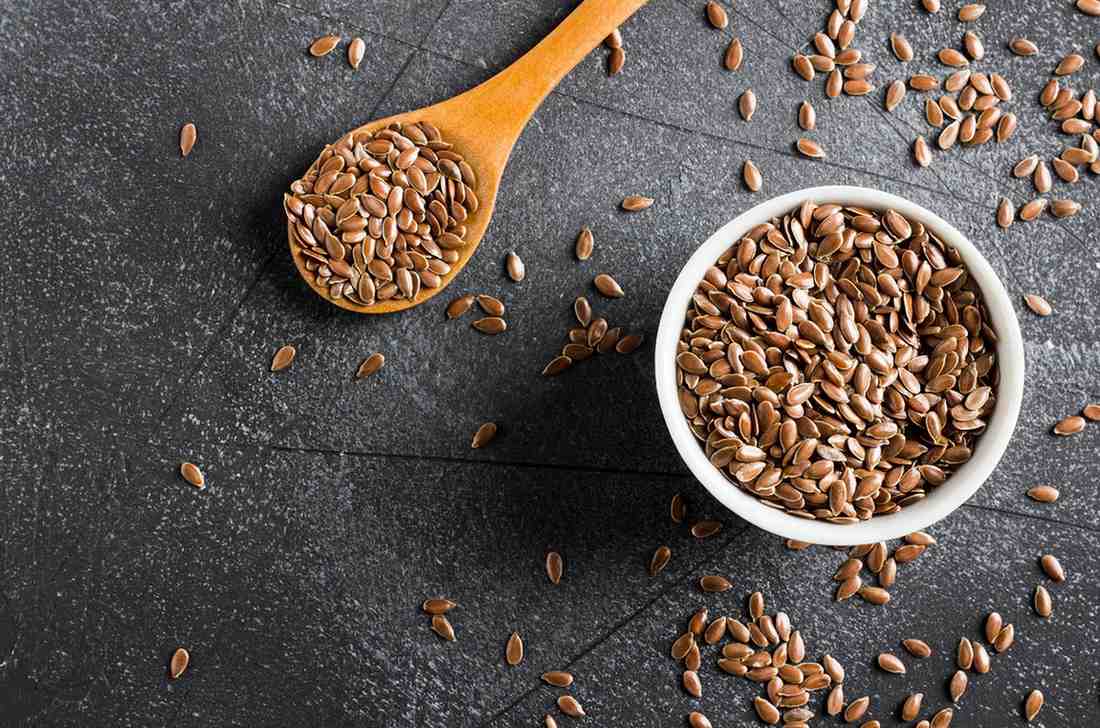

Flaxseed meal has emerged as a powerful ally in the quest for heart health and blood pressure management. Many individuals struggle with hypertension, a condition that can lead to serious cardiovascular issues if left unchecked. The incorporation of specific dietary elements can significantly influence blood pressure levels. Flaxseed meal, rich in omega-3 fatty acids and fiber, presents an appealing solution.
The heart benefits of flaxseed meal are not merely anecdotal. Scientific studies highlight its potential to lower blood pressure and improve overall cardiovascular health. This guide aims to provide a comprehensive understanding of how to effectively use flaxseed meal for heart health, focusing on practical applications, potential pitfalls, and the science behind its benefits.
Understanding the nuances of incorporating flaxseed meal into your diet is crucial. It is not just about adding it to meals but understanding the best practices for maximizing its benefits. This guide will delve deeply into various methods, ensuring you can make informed decisions about this superfood.
As you read on, prepare to discover actionable insights, from preparation methods to the science behind flaxseed meal, all designed to empower you in your journey toward better heart health and optimal blood pressure levels.
Contents
How to Use Flaxseed Meal for Real Results
- Best Form: Ground flaxseed meal
- Best Time: Morning with breakfast
- Expected Result: Improved blood pressure and heart health
For Daily Protection
The Prep: Start with one tablespoon of ground flaxseed meal. Combine it with your favorite breakfast options such as oatmeal or yogurt. You may also want to add some fresh fruits like berries for added flavor and nutrients.
The Action: Mix the flaxseed meal into your oatmeal or yogurt until well combined. If you prefer, you can blend it into a smoothie for a quick nutrient boost. Ensure you consume it within a few hours of preparation for the best results.
The Feeling: Expect a slightly nutty flavor that complements your breakfast. The texture may add a pleasant crunch, and you will likely feel more satisfied due to the fiber content, which can last for several hours.
Pro Tip: To enhance absorption, consider grinding whole flaxseeds before use. Whole seeds may pass through your digestive system without releasing their beneficial oils.
Boosting Your Smoothies
The Prep: Gather one tablespoon of flaxseed meal and your choice of fruits and vegetables. Spinach, banana, and almond milk work wonderfully together.
The Action: Blend the flaxseed meal with your fruits and vegetables until you achieve a smooth consistency. Adding ice can enhance the texture and make the smoothie more refreshing.
The Feeling: The smoothie will have a creamy consistency with a hint of nuttiness from the flaxseed meal. You may feel an energy boost from the natural sugars in the fruits, sustaining you until your next meal.
Pro Tip: For added protein, consider adding a scoop of your favorite protein powder to the mix, enhancing the smoothie’s nutritional profile.
The Evening Snack
The Prep: Prepare a simple evening snack using one tablespoon of flaxseed meal, along with a small bowl of cottage cheese or Greek yogurt.
The Action: Mix the flaxseed meal into the cottage cheese or yogurt. You can add a drizzle of honey or a sprinkle of cinnamon for extra flavor.
The Feeling: This snack will provide a satisfying creaminess and a slight crunch from the flaxseed meal. The protein will help you feel full, potentially preventing late-night cravings.
Pro Tip: Keep a jar of ground flaxseed meal in your pantry for easy access, ensuring you can add it to various meals without hassle.
Common Errors to Avoid
Neglecting to Store Properly
Many overlook the importance of proper storage for flaxseed meal. Exposure to light and air can lead to oxidation, diminishing its nutritional value. This can result in rancidity, making the meal less effective for health benefits.
To solve this issue, store flaxseed meal in an airtight container in a cool, dark place. For longer shelf life, refrigeration is advisable. This ensures you retain the essential fatty acids and nutrients, maximizing the health benefits.
Not Drinking Enough Water
Flaxseed meal is high in fiber, which can be beneficial for digestion. However, if you do not consume adequate water, it may lead to digestive discomfort or constipation.
To avoid this mistake, increase your water intake when incorporating flaxseed meal into your diet. A general guideline is to drink at least eight glasses of water daily. This aids in fiber absorption and promotes digestive health.
Ignoring Quality
Quality matters when it comes to flaxseed meal. Low-quality products may contain added fillers or lack the necessary nutrients for optimal health benefits.
To ensure you are purchasing a quality product, look for organic, non-GMO flaxseed meal. Check for freshness by examining the expiration date and the packaging. This attention to detail will enhance the effectiveness of flaxseed meal for heart health.
The Science Behind Flaxseed Meal
Flaxseed meal functions through several biological mechanisms that contribute to heart health. The omega-3 fatty acids in flaxseed, particularly alpha-linolenic acid, help reduce inflammation in the body. This reduction in inflammation can lower the risk of cardiovascular diseases, including hypertension.
Lignans are another key compound found in flaxseed meal. These phytoestrogens have antioxidant properties that can improve heart health. They help balance hormone levels and may also benefit blood pressure regulation.
Research supports the heart health benefits of flaxseed meal. A study published in the journal Hypertension found that daily consumption of flaxseed can lead to significant reductions in blood pressure levels. For more detailed information, refer to the research available at PubMed.
Choosing the Right Product
– **Potency:** Look for flaxseed meal that specifies a high level of omega-3 fatty acids. This ensures you are getting the maximum heart health benefits.
-
Purity: Choose organic and non-GMO flaxseed meal. This minimizes exposure to pesticides and ensures a cleaner product.
-
Form: Ground flaxseed meal is preferable to whole seeds. Ground flaxseed is easier for the body to digest, allowing for better nutrient absorption.
Benefits vs Risks
| The Benefits | Potential Downsides |
|---|---|
| Rich in omega-3 fatty acids, supporting heart health | May cause digestive upset if consumed in excess |
| High in fiber, promoting digestive health | Can interact with certain medications, such as blood thinners |
| Contains lignans that may help regulate hormones | Quality can vary, leading to ineffective products |
Habits for Enhanced Benefits
Incorporating regular exercise into your routine can significantly complement the benefits of flaxseed meal. Aim for at least 150 minutes of moderate aerobic activity weekly to support heart health.
Mindfulness practices such as yoga or meditation can also be beneficial. These practices help manage stress, a known factor in elevated blood pressure levels.
Who Should Avoid This?
– Individuals with a history of hormone-sensitive cancers.
– People taking anticoagulant medications or blood thinners.
– Those with digestive disorders that may be aggravated by high fiber intake.
– Pregnant or nursing women should consult a healthcare professional before adding flaxseed meal to their diet.
Common Questions
Can flaxseed meal help lower cholesterol?
Yes, flaxseed meal may help lower cholesterol levels due to its high fiber and omega-3 fatty acid content.
How much flaxseed meal should I consume daily?
A common recommendation is one to two tablespoons of flaxseed meal per day for optimal health benefits.
Is there a difference between flaxseed and flaxseed meal?
Yes, flaxseed is the whole seed, while flaxseed meal is ground flaxseed, which is easier to digest and absorb.
Can I use flaxseed meal in baking?
Absolutely. Flaxseed meal can be added to baked goods as a substitute for some of the flour, enhancing both nutrition and flavor.
The Bottom Line
Flaxseed meal can be a valuable addition to your diet for heart health and blood pressure management.
- The Truth: While flaxseed meal offers numerous benefits, it should not replace medical treatment for hypertension.
- The Strategy: Incorporate it into your morning routine for the best results.
- The Next Step: Consider pairing flaxseed meal with a regular exercise regimen for optimal benefits.
Get Your FREE Natural Health Guide!
Subscribe now and receive our exclusive ebook packed with natural health tips, practical wellness advice, and easy lifestyle changes, delivered straight to your inbox.