
Fennel seeds have been utilized for centuries in various cultures as a natural remedy for digestive issues. Many individuals experience discomfort due to gas, bloating, and indigestion. These common problems can stem from dietary choices, lifestyle habits, or even stress. For those seeking relief from these uncomfortable symptoms, fennel seeds emerge as a soothing, natural option.
The seeds, known for their aromatic flavor, contain several compounds that promote digestive health. They work by relaxing the muscles in the gastrointestinal tract, allowing for smoother digestion. This soothing effect can lead to a significant reduction in gas and bloating, making fennel seeds a desirable addition to one’s wellness routine.
Incorporating fennel seeds into daily habits can be simple and rewarding. Whether consumed as a tea, added to meals, or taken in supplement form, they offer versatile options for those looking to enhance their digestive wellness. Understanding how to effectively utilize these seeds can empower individuals to take control of their digestive health.
This guide will delve into the practical applications, scientific mechanisms, potential mistakes, and more, ensuring a comprehensive understanding of fennel seeds as a remedy for gas and digestion issues.

Contents
How to Use Fennel Seeds for Real Results
- Best Form: Tea or Chewed Seeds
- Best Time: After Meals
- Expected Result: Reduced Gas and Bloating
For Daily Protection
The Prep: Gather one teaspoon of fennel seeds and a cup of water. If preferred, add a slice of lemon or a touch of honey for flavor.
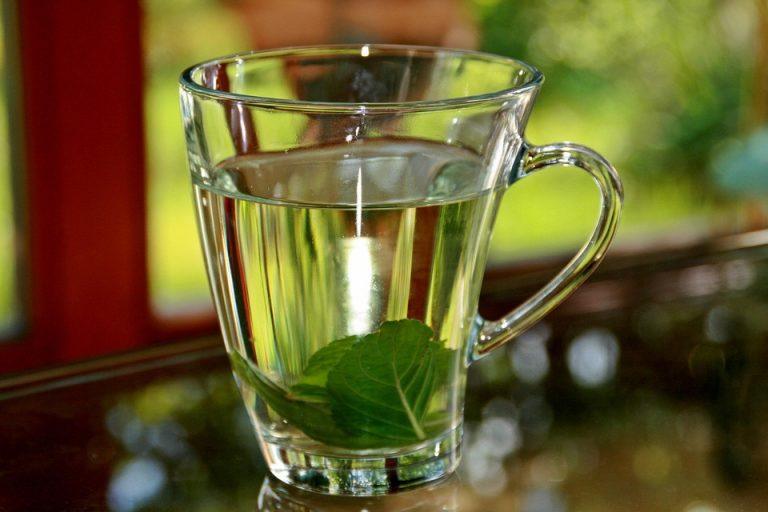
The Action: Boil the water in a small pot. Once boiling, add the fennel seeds. Let the mixture simmer for about five to ten minutes. Afterward, strain the tea into a cup.
The Feeling: Upon sipping the warm tea, a gentle warmth spreads through the stomach. The sensation is calming, often leading to a feeling of relief within 30 minutes.
Pro Tip: Drinking this tea daily after meals can help maintain digestive comfort.
Targeting Acute Pain
The Prep: For immediate relief, have a teaspoon of fennel seeds ready. Optionally, a small mortar and pestle can be used for crushing.
The Action: Crush the seeds lightly to release their essential oils. Chew the seeds slowly to maximize their digestive benefits.
The Feeling: As the seeds are chewed, a refreshing burst of flavor is felt. The sensation may turn into a mild tingling as the digestive system begins to relax within minutes.
Pro Tip: Keep fennel seeds on hand for unexpected digestive discomfort after meals.
The Nighttime Routine
The Prep: Prepare a calming environment. Use one teaspoon of fennel seeds and one cup of water.
The Action: Boil the water and add the fennel seeds. Let it steep for ten minutes. Strain and sip the tea slowly before bedtime.
The Feeling: The warm tea envelops the body in relaxation. A soothing sensation in the stomach usually follows, promoting a restful night free from digestive disturbances.
Pro Tip: Making this a nightly ritual can improve overall digestive health.
Avoiding Common Mistakes
Using Low Quality Herbs
Low quality fennel seeds can diminish their effectiveness. Poor-quality seeds may lack essential oils and nutrients that provide digestive benefits.
Choosing organic, high-quality fennel seeds ensures that you receive the full spectrum of health benefits. Always read labels and purchase from reputable sources.
Ignoring Dosage Guidelines
Overconsumption of fennel seeds can lead to unwanted side effects such as nausea or allergic reactions. It is easy to assume that more is better, but moderation is key.
Stick to recommended dosages, typically one to two teaspoons per day. This approach maximizes benefits while minimizing risks.
Not Considering Dietary Interactions
Fennel seeds may interact with certain medications, particularly those affecting hormone levels. Ignoring these interactions can lead to adverse effects.
Consulting with a healthcare provider before incorporating fennel seeds into a regimen is wise, especially for individuals with hormone-sensitive conditions.
The Science Behind Fennel Seeds
Fennel seeds contain compounds such as anethole, which is known for its anti-inflammatory and antispasmodic properties. These compounds work by relaxing the muscles in the digestive tract, reducing spasms that often lead to gas and bloating.
Anethole is also responsible for the distinct aroma and flavor of fennel seeds. This compound not only aids digestion but also enhances the secretion of digestive enzymes, further improving nutrient absorption.
Clinical studies have demonstrated the efficacy of fennel seeds in reducing gastrointestinal discomfort. For more detailed information on their health benefits, refer to PubMed.
Choosing the Right Product
- Potency: Ensure the product contains a sufficient amount of active compounds for desired effects. Higher potency often translates to better digestive support.
- Purity: Look for products that are free from additives and fillers. Pure fennel seeds provide the best health benefits without unwanted ingredients.
- Form: Consider whether you prefer whole seeds, ground powder, or tea. Each form has unique benefits, so choose based on personal preference and convenience.
Understanding the Benefits and Risks
| The Benefits | Potential Downsides |
|---|---|
| Natural remedy for gas and bloating | Possible allergic reactions in sensitive individuals |
| Rich in antioxidants | Excessive consumption may lead to nausea |
| Supports digestion and nutrient absorption | May interact with certain medications |
Habits for Enhanced Wellness
Incorporating mindfulness during meals can significantly improve digestion. Chewing food thoroughly and being present can reduce gas and bloating.
Regular physical activity also plays a crucial role in digestive health. Engaging in moderate exercise can stimulate the digestive system and reduce discomfort.
Who Should Avoid This?
– Pregnant individuals should consult a healthcare provider before use.
– Those on hormone-related medications need to be cautious.
– Individuals with allergies to celery, carrots, or related plants may react negatively.
– People with a history of seizures should approach fennel seeds with caution.
Common Questions
Can fennel seeds help with heartburn?
Fennel seeds may provide relief from heartburn due to their ability to soothe the digestive tract.
How often can I consume fennel seeds?
One to two teaspoons per day is generally recommended for optimal benefits.
Are there any side effects?
Possible side effects include allergic reactions or gastrointestinal discomfort if consumed in excess.
Can I use fennel seeds during pregnancy?
Consult a healthcare professional before using fennel seeds during pregnancy to ensure safety.
The Bottom Line
Fennel seeds offer a natural solution for digestive discomfort.
- The Truth: Limited evidence exists on their efficacy for all digestive issues.
- The Strategy: Use fennel seeds after meals for best results.
- The Next Step: Incorporate mindfulness into eating habits for improved digestion.
Get Your FREE Natural Health Guide!
Subscribe now and receive our exclusive ebook packed with natural health tips, practical wellness advice, and easy lifestyle changes, delivered straight to your inbox.