
Fennel seeds have long been celebrated for their culinary uses and medicinal properties. Their unique flavor enhances many dishes, while their health benefits extend far beyond the kitchen. One area where fennel seeds shine is eye health. Vision issues are increasingly prevalent, with many individuals seeking natural remedies to support their ocular well-being. Fennel seeds may offer a solution, boasting an array of nutrients that can contribute to better eye function.
Understanding the specific components of fennel seeds can empower individuals to make informed choices about their health. These tiny seeds are packed with vitamins, antioxidants, and essential oils that play a crucial role in maintaining eye health. As people become more aware of holistic approaches to wellness, incorporating fennel seeds into one’s diet can be a practical step toward enhancing vision and preventing eye-related issues.
The cultivation of fennel seeds dates back to ancient civilizations, where they were valued for their therapeutic properties. Their use continues today, as modern research sheds light on the specific benefits they offer. This guide aims to explore how fennel seeds can be used effectively to promote eye health, addressing practical applications, common mistakes, and the science behind their efficacy.
Equipping oneself with knowledge about fennel seeds can lead to better health outcomes. By understanding how to integrate these seeds into daily routines, individuals can take proactive measures toward preserving their eyesight and overall well-being.

Contents
How to Use Fennel Seeds for Real Results
- Best Form: Whole or crushed seeds
- Best Time: Morning or before meals
- Expected Result: Improved eye health and vision clarity
For Daily Protection
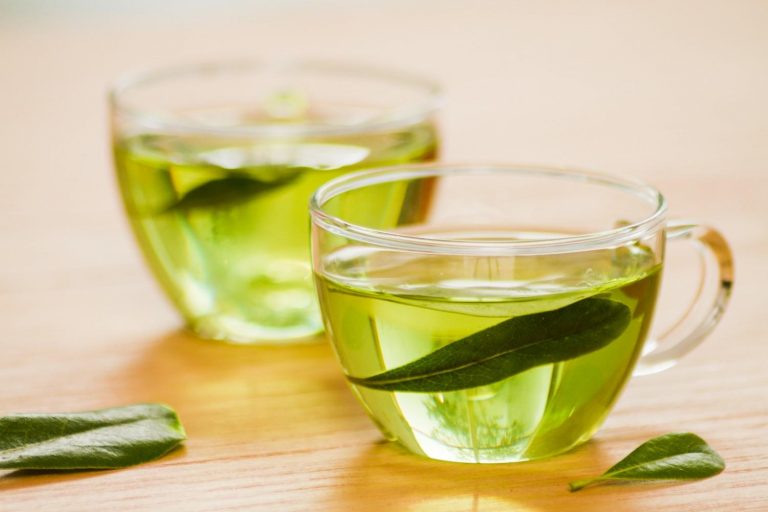
The Prep: Start with one teaspoon of whole fennel seeds and one cup of water. Optionally, add a teaspoon of honey for sweetness. Gather a small saucepan, a strainer, and a cup.
The Action: Boil the water in the saucepan. Once boiling, add the fennel seeds and let them steep for about ten minutes. After steeping, strain the liquid into a cup and stir in honey if desired. This infusion can be consumed warm or at room temperature.
The Feeling: Upon sipping this fennel infusion, expect a warm sensation that soothes the throat. The taste is mildly sweet with a hint of licorice. Many report feeling refreshed and alert after consumption.
Pro Tip: Prepare a larger batch and store it in the refrigerator for up to two days, reheating as needed.
Targeting Acute Discomfort
The Prep: Use two teaspoons of crushed fennel seeds and two cups of water. Gather a small pot, a strainer, and a cup.
The Action: Bring the water to a boil in the pot. Once boiling, add the crushed fennel seeds. Reduce the heat and let it simmer for about fifteen minutes. After simmering, strain the mixture into a cup.
The Feeling: Drinking this concoction provides a comforting warmth, which can relieve discomfort. Users often feel a sense of calmness, with effects lasting for several hours.
Pro Tip: This can be taken twice daily during periods of discomfort for enhanced relief.
The Nighttime Routine
The Prep: Combine one teaspoon of fennel seeds with a cup of warm milk. You may also add a pinch of turmeric for additional benefits. Gather a saucepan, a strainer, and a cup.
The Action: Heat the milk in the saucepan until warm but not boiling. Add the fennel seeds and turmeric, allowing them to steep for about five minutes. Strain the mixture into a cup for consumption.
The Feeling: This warm drink can induce a sense of relaxation, preparing the body for restful sleep. The combination of flavors is both soothing and comforting, often lasting through the night.
Pro Tip: Consuming this mix about thirty minutes before bedtime can enhance sleep quality.
Identifying Common Errors
Using Low Quality Herbs
Choosing low-quality fennel seeds can significantly diminish the health benefits. Poor quality seeds may have lost their potency due to age or improper storage. This can result in a lack of essential nutrients necessary for eye health.
To avoid this mistake, source your fennel seeds from reputable suppliers. Look for organic options that are fresh and aromatic. Fresh seeds are more likely to contain higher levels of beneficial compounds.
Neglecting Preparation Methods
Improper preparation can lead to ineffective use of fennel seeds. For instance, consuming them whole without grinding may limit the body’s ability to absorb their nutrients. Whole seeds pass through the digestive system without releasing their beneficial oils.
To maximize their effectiveness, crush or grind fennel seeds before consumption. This increases the surface area, allowing for better extraction of nutrients during digestion.
Overconsumption
While fennel seeds offer numerous health benefits, excessive intake can lead to unwanted side effects. Overconsumption may result in digestive issues or allergic reactions in sensitive individuals.
To prevent this, adhere to recommended dosages. One to two teaspoons daily is generally sufficient to reap the benefits without adverse effects. Listening to your body’s responses can guide appropriate usage.
The Science Behind Fennel Seeds
Fennel seeds contain several bioactive compounds that contribute to their health benefits. One of the primary mechanisms involves their rich antioxidant properties. Antioxidants combat oxidative stress, which is linked to various eye conditions. By reducing oxidative damage, fennel seeds may help maintain better eye function over time.
The key compound in fennel seeds is anethole, which has been shown to possess anti-inflammatory and antioxidant properties. This compound is believed to play a vital role in protecting the retina and supporting overall eye health. Its ability to reduce inflammation is particularly beneficial for conditions like dry eyes.
Clinical studies have explored the effects of fennel seeds on eye health. Research indicates that the consumption of fennel may improve vision and reduce the risk of conditions such as cataracts. For more detailed studies, refer to this PubMed search for scientific evidence supporting these claims.
Choosing the Right Product
- Potency: Look for products that specify the concentration of active compounds. Higher potency often correlates with better health outcomes.
- Purity: Ensure the product is free from additives and fillers. Pure fennel seeds provide the maximum benefits without unwanted ingredients.
- Form: Whole, crushed, or powdered forms are available. Choose a form that suits your intended use, as each has different applications in cooking and health routines.
Understanding the Trade-offs
| The Benefits | Potential Downsides |
|---|---|
| Rich in antioxidants that support eye health. | Possible allergic reactions in sensitive individuals. |
| Anti-inflammatory properties that reduce discomfort. | Excessive consumption may lead to digestive issues. |
| Supports digestion and overall wellness. | Quality varies among products, affecting efficacy. |
Incorporating Healthy Habits
Integrating fennel seeds into a balanced diet can be complemented by other healthy habits. Regular eye exercises can improve vision naturally. Simple activities like focusing on distant objects or performing eye rolls can enhance eye muscle strength.
Staying hydrated is equally important for eye health. Drinking adequate water helps maintain moisture in the eyes, preventing dryness and irritation. Combining these habits with fennel seeds can create a holistic approach to ocular wellness.
Who Should Avoid This?
- Individuals with allergies to plants in the carrot family.
- People on anticoagulant medications due to potential interactions.
- Pregnant or breastfeeding women should consult a healthcare provider before use.
Common Questions
What are fennel seeds?
Fennel seeds are the dried seeds of the fennel plant, known for their distinctive flavor and numerous health benefits.
How can fennel seeds benefit eye health?
Fennel seeds contain antioxidants and anti-inflammatory compounds that help protect the eyes from oxidative stress and inflammation.
How should I consume fennel seeds for eye health?
Fennel seeds can be consumed as an infusion, added to meals, or taken in powdered form. The method depends on personal preference.
Are there any side effects of fennel seeds?
While generally safe, overconsumption may lead to digestive discomfort or allergic reactions in sensitive individuals.
The Bottom Line
Fennel seeds can be a valuable addition to your wellness routine, particularly for eye health.
- The Truth: They are not a substitute for professional medical advice or treatment.
- The Strategy: Incorporate them into your diet through infusions or meals for maximum benefit.
- The Next Step: Pair their use with other healthy habits for a comprehensive approach to eye health.
Get Your FREE Natural Health Guide!
Subscribe now and receive our exclusive ebook packed with natural health tips, practical wellness advice, and easy lifestyle changes, delivered straight to your inbox.