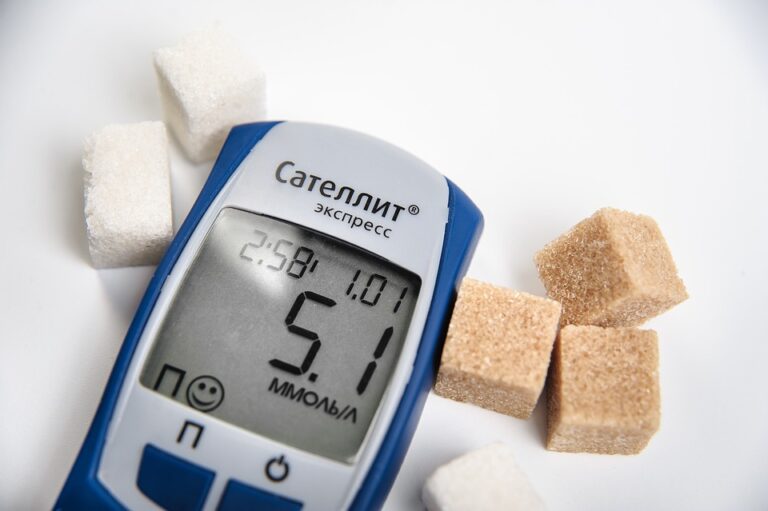
Understanding The Interplay Of Stress Management For Cortisol Blood Sugar
I often witness the mid afternoon slump that hits just as the work day drags toward its finish. This common experience of feeling drained or foggy frequently stems from how our bodies handle internal pressure and glucose levels.
Modern life keeps us in a state of constant go. Our bodies struggle to distinguish between a tight deadline and a true emergency.
Effective stress management for cortisol blood sugar involves using rhythmic movement and fiber rich nutrition to keep internal chemical levels stable. By prioritizing steady glucose regulation, individuals minimize the spikes that force the body to release emergency energy hormones.
Key Takeaways
- Morning cortisol levels naturally peak between 6:00 AM and 9:00 AM in most healthy adults.
- Chronic elevation of stress hormones can shift fasting glucose readings by 10 to 20 milligrams per deciliter.
- Slow deep breathing patterns can reduce heart rate variability markers by roughly 15 percent within five minutes.
Physiological Impact Of Sustained Pressure
The body maintains energy balance through complex feedback loops. When we feel overwhelmed, the adrenal system prepares for physical action.
This process signals the liver to release stored glucose into the bloodstream for immediate use. Without physical movement to burn this fuel, glucose levels climb rapidly.
Ongoing exposure to this cycle makes the cells less responsive to insulin. Research from the National Institutes of Health indicates that such metabolic shifts are common when high internal tension persists.
Nutritional Strategies For Stability
Food choices serve as the primary foundation for internal balance. Focusing on slow burning fuel prevents the quick swings that trigger hormonal responses.
Meals should contain a balance of healthy fats and quality protein. These components slow down the absorption of carbohydrates into the blood.
Fiber is another vital tool for metabolic health. It acts as a physical buffer in the digestive tract.
- Leafy Greens: These provide essential minerals that support metabolic function without adding glucose load.
- Legumes: These offer a steady supply of energy thanks to their high fiber content.
- Fatty Fish: These supply omega fatty acids which help calm systemic inflammatory markers.
Daily Movement And Glucose Regulation
Physical activity acts as a reset button for the system. Light movement after eating helps clear glucose from the bloodstream more efficiently.
This does not require a gym session or high intensity exertion. A simple ten minute walk serves this purpose well.
Guidance from the National Library of Medicine suggests that regular walks contribute to better overall glucose control. Consistent habits are more helpful than occasional strenuous workouts.
| Activity Type | Duration | Expected Benefit |
| Brisk Walking | Fifteen Minutes | Lowers glucose spikes |
| Deep Breathing | Five Minutes | Reduces nervous tension |
| Resistance Training | Thirty Minutes | Increases insulin sensitivity |
The Mathematics Of Metabolic Balance
Calculation of your personal energy needs helps identify gaps in your current routine. Most individuals function best when keeping glucose variability within a tight range.
Consider the ratio of protein to carbohydrates in your primary meals. A goal ratio of 1 to 2 by weight provides a starting point for stable energy.
For example, a meal with 30 grams of protein pairs well with 60 grams of high fiber vegetables. This approach keeps the internal environment calm throughout the afternoon.
Mindful Rest And Hormone Recovery
Sleep quality dictates how the body handles the following day. Poor rest forces the system to rely on emergency hormone production.
Creating a dark and cool environment helps the body transition into recovery mode. This transition is essential for resetting the chemical clock.
Limit exposure to bright screens one hour before bed. Blue light signals the brain to remain alert when it should be preparing for repair.
Techniques For Calming The System
Simple practices can shift the body from a state of alarm to a state of ease. These methods work by signaling the nervous system to slow down.
Incorporate intentional pauses during the work day. These moments act as breaks in the cycle of constant reaction.
- Box Breathing: Inhale for four counts and hold for four then exhale for four and hold for four.
- Journaling: Writing down pressing thoughts clears mental clutter before it affects physical states.
- Hydration: Drinking sufficient water supports every process in the body including temperature regulation and nerve signaling.
Integration Into Modern Life
Sustainability is the key to any successful wellness plan. Small adjustments are easier to maintain than total life overhauls.
Begin by tracking one variable at a time. Monitor how a change in breakfast protein changes your energy at four in the afternoon.
Information from the Centers for Disease Control highlights that lasting change comes from small consistent choices. Focus on habits that you enjoy rather than those that feel like a burden.
Frequently Asked Questions
Does caffeine intake impact glucose regulation?
Caffeine acts as a stimulant that can temporarily elevate internal stress signals. For many individuals, this leads to a subtle rise in glucose even if the beverage contains no sugar.
Sensitivity varies based on the individual and their current metabolic status. It is helpful to monitor how your body feels after your morning coffee compared to days without it.
Can evening exercise affect sleep quality?
High intensity activity late in the day can increase heart rate and body temperature. This makes it difficult for some individuals to initiate sleep cycles smoothly.
Gentle movement like yoga or stretching is often better for the evening hours. These activities help signal the body that the day is concluding.
How long does it take to see changes?
Metabolic shifts often occur within two to four weeks of consistent habit adoption. The body needs time to adjust to new nutritional and movement patterns.
Patience is essential during this transition period. Consistent application of these principles yields the most stable long term results.
Are there supplements that assist this process?
Specific vitamins and minerals support the body during times of internal pressure. Magnesium and zinc play roles in how the system processes fuel and manages signaling.
It is always preferable to obtain these through a nutrient dense diet first. Supplements should only fill specific gaps identified by a professional.
What is the role of breakfast in this routine?
The first meal of the day sets the metabolic tone for the following twelve hours. Starting with protein and fiber prevents the cycle of swings that often plagues the afternoon.
A balanced breakfast provides the resources needed for steady energy levels. This practice is a pillar of effective metabolic health for most adults.
The Bottom Line
Achieving stable energy requires a focus on steady habits rather than quick fixes. By balancing nutrition and movement, individuals successfully manage the physical effects of daily pressure.
Prioritize protein intake and gentle activity to keep your internal systems calm. Mastering stress management for cortisol blood sugar provides a foundation for long term vitality.
Never stop or change any medication without consulting the provider who recommended it. This guidance is for educational purposes only. Consult a licensed healthcare provider before starting any new wellness routine.
Get Your FREE Natural Health Guide!
Subscribe now and receive our exclusive ebook packed with natural health tips, practical wellness advice, and easy lifestyle changes, delivered straight to your inbox.