Early Signs Your Hair Is Recovering From Telogen Effluvium And What To Watch For
I often run my fingers through my hair after a period of high stress and wonder if the shedding will ever stop. Watching strands accumulate in the shower drain or on my brush causes a visceral reaction that impacts daily confidence. Understanding the shift from active loss to the regrowth phase provides a much needed sense of control during an uncertain time.
Most of us associate hair density with our overall sense of vitality and health. When the cycle of follicle transition goes awry, the entire scalp environment feels different. Monitoring the subtle changes in texture and volume helps track the return to normal growth patterns.
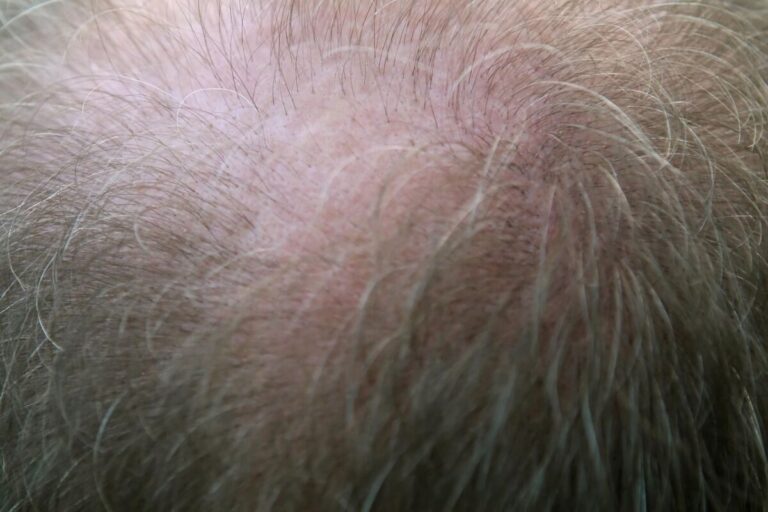
The primary Early Signs Your Hair Is Recovering From Telogen Effluvium involve the appearance of short, uniform length hairs along the hairline and a noticeable reduction in the volume of shed strands during grooming. This regrowth often feels like a fuzzy halo and indicates that the follicles have successfully exited the resting phase to begin producing new fiber.
Key Takeaways
- Hair growth cycles typically span 2 to 7 years, meaning visible restoration after a major shed takes several months to manifest.
- The average human scalp contains roughly 100,000 follicles, and losing 50 to 100 strands per day remains within the standard range.
- Clinical studies from the National Library of Medicine confirm that nutritional deficiencies in iron or zinc often influence the duration of shedding phases.
Identifying New Growth Patterns
New growth is the most reliable indicator that the shedding cycle has concluded. These baby hairs appear as fine, flyaway fibers that seem to stand up independently from the rest of the mane. They typically congregate around the temples or the front hairline where the skin is most visible.
The texture of these emerging strands often differs from the mature hair shaft. They may feel softer or lack the pigment of the surrounding tresses. This lack of pigment is temporary and usually resolves as the follicle matures.
Patience remains the most critical factor when observing these changes. The scalp operates on its own timeline regardless of how much we want the process to accelerate. Consistency in gentle grooming helps these fragile strands thrive without unnecessary tension.
Data Comparison Of Hair Cycles
| Phase Name | Duration Range | State Of Follicle |
|---|---|---|
| Anagen Phase | Two To Seven Years | Active fiber production |
| Catagen Phase | Two To Three Weeks | Transition and regression |
| Telogen Phase | Three Months | Resting and shedding |
The Impact Of Nutritional Support
Supporting the internal environment is essential for sustaining the growth of emerging fibers. Hair relies on a steady supply of micronutrients to build the structural proteins necessary for elongation. Research from the National Institutes of Health highlights how systemic health markers directly correlate with follicle output.
Iron stores are particularly relevant for those tracking recovery progress. When ferritin levels fall below the threshold required for healthy cell division, the hair cycle may linger in a stagnant state. Focus on whole food sources to ensure the body has the building blocks it needs.
- Leafy Greens: Spinach and kale provide essential vitamins that support cell turnover.
- Lean Proteins: Eggs and legumes contain the amino acids required for the production of keratin.
- Healthy Fats: Walnuts and seeds supply the fatty acids necessary for maintaining scalp moisture.
Step By Step Growth Monitoring
Tracking the density of the scalp requires a systematic approach to avoid misinterpreting daily fluctuations. Use the following method to quantify progress over a twelve week period. This process removes the emotional bias that often clouds our self assessment.
- Photograph Regularly: Take a photo in the same lighting every two weeks to document the density along the part line.
- Measure Shedding Volume: Collect the hair from your brush for three consecutive days each month to establish a baseline.
- Check Texture Uniformity: Feel for the presence of uniform stubble along the hairline which indicates active, healthy output.
Managing Scalp Health Barriers
External factors often inhibit the progress of new growth. Using harsh styling tools or tight hairstyles creates mechanical stress that can snap delicate new strands. Opt for wide tooth combs and loose, fabric covered hair ties to minimize this risk.
Heat styling is another common hurdle that dries out the scalp environment. Limiting the use of high temperature tools allows the cuticle to remain sealed and protected. If heat is necessary, always apply a protective layer to shield the fiber from excessive thermal damage.
Environmental pollutants can also clog the pores on the scalp. A clean scalp provides the best foundation for emerging fibers to push through the surface. Gentle, pH balanced cleansing routines support the health of the microbiome without stripping natural oils.
The Role Of Stress Management
High cortisol levels disrupt the natural rhythm of the hair growth cycle. Chronic tension often forces follicles into the resting phase prematurely. Finding ways to regulate the nervous system is a vital component of the recovery journey.
Data from the U.S. National Library suggests that the body prioritizes essential functions during times of extreme stress, often diverting resources away from secondary processes like hair production. Integrating movement or breathwork into your daily routine helps rebalance these internal demands.
The goal is to maintain a state of equilibrium. When the mind remains calm, the body can dedicate more energy to restoration. Focus on activities that lower your heart rate and promote systemic relaxation throughout the week.
Frequently Asked Questions
How long does the restoration phase typically last?
The process of regaining previous density is not immediate and often spans several months. Most individuals notice the arrival of baby hairs within three to six months after the initial shedding trigger has been removed.
Full visual restoration takes longer because the hair shaft must gain enough length to blend with the rest of the mane. Consistency in nutrition and gentle hair care practices supports the timeline during this transition.
Will my hair texture change permanently?
New growth is often finer and softer than mature hair. This is a temporary characteristic of the early stages of the cycle rather than a permanent change in your genetic hair type.
As the hair gains length and exposure to the environment, it usually adopts the characteristics of your previous growth. Proper hydration and avoiding damaging treatments help maintain the health of these emerging strands.
Should I use supplements to speed up the process?
Nutrients provided through a balanced diet are the most effective way to support follicle health. Unless a specific deficiency exists, extra supplements may not provide a faster result than consistent, whole food choices.
Always prioritize iron, zinc, and protein intake through your meals. If you feel a supplement is necessary, ensure you consult a licensed healthcare provider before starting any new wellness routine.
Is it normal to lose some hair during the recovery?
Shedding is a natural part of the cycle and continues even when recovery is underway. The goal is to see a decrease in the volume of shed strands compared to the peak of the shedding episode.
If you observe a sudden spike in loss, it may indicate a new stressor or an environmental factor. Continue to monitor your daily habits and focus on maintaining a calm scalp environment.
Can tight hairstyles cause a relapse?
Tension on the follicles creates a physical barrier to growth and causes damage to fragile, new strands. Avoiding tight ponytails or heavy extensions is essential to protect the hair during the recovery period.
Opt for styles that keep the hair loose and distribute weight evenly. This reduces the strain on the scalp and encourages the fibers to grow without interruption or breakage.
The Bottom Line
Early Signs Your Hair Is Recovering From Telogen Effluvium are marked by the appearance of short, soft hairs and a return to your normal shedding baseline. This phase signifies that your follicles are active and working to restore your previous density.
Focus on maintaining a gentle grooming routine and a nutrient dense diet to support this natural process. Never stop or change any medication without consulting the provider who recommended it. Consult a licensed healthcare provider before starting any new wellness routine.
Get Your FREE Natural Health Guide!
Subscribe now and receive our exclusive ebook packed with natural health tips, practical wellness advice, and easy lifestyle changes, delivered straight to your inbox.