Standardizing Water Before Meals For Metabolism As A Daily Routine
Most of us grapple with the persistent desire to feel more energized and focused throughout the day. We often look for complex fixes when basic habits might hold the answer. Simple shifts in our hydration schedule can potentially influence how our bodies process energy from food.
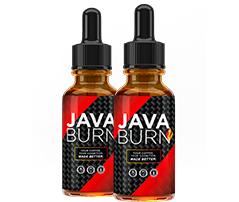
Java Burn™ Coffee Enhancer
- Tasteless nutrient blend designed to seamlessly stir into your daily coffee
- Formulated to support a steady, healthy metabolism without lifestyle disruptions
- Manufactured in a cGMP-compliant, FDA-registered facility
My interest in this subject grew from reviewing nutritional studies regarding fluid intake and cellular efficiency. I spend my time sorting through wellness data to find what actually makes a difference for our daily vitality. Small adjustments to when we consume fluids can offer a grounded approach to supporting our natural systems.
Drinking water shortly before consuming food helps the body prepare for digestion and may support efficient metabolic function. Studies suggest that this habit assists with appetite regulation and contributes to overall hydration levels during meals. This practice provides a low-cost, accessible strategy for those seeking to optimize their internal wellness routines.
Key Takeaways
- Individuals who consume approximately 500 milliliters of fluid before a meal may see a temporary increase in energy expenditure.
- Proper hydration levels correlate with improved enzyme activity during the breakdown of dietary nutrients.
- Research indicates that consistent fluid intake before eating supports a steady reduction in overall caloric intake by roughly 10 to 15 percent per meal.
Hydration Cycles And Energy Expenditure
Our bodies rely on water to facilitate nearly every chemical reaction involving energy production. When we are even mildly dehydrated, the efficiency of these systems drops significantly. Scientific evidence from the NIH indicates that consistent hydration levels are fundamental to maintaining a healthy metabolic rate. Without sufficient fluid, the body struggles to break down fats and carbohydrates for fuel.
The concept of consuming fluids before eating centers on the idea of preparing the digestive tract. Think of this as priming a pump before the main event. When the stomach contains fluid, it communicates fullness to the brain earlier than when consuming dry food alone. This sensation allows individuals to practice better portion control without feeling deprived or hungry.
Timing matters just as much as volume when it comes to this habit. Drinking too much fluid immediately during a meal can potentially dilute digestive juices for some individuals. By spacing your intake so you finish a glass roughly twenty minutes before your plate arrives, you allow the body time to process the liquid. This strategy separates hydration from digestion, keeping both processes running smoothly.
The Mathematical Logic Of Fluid Timing
We can look at this through a simple numerical example to understand the potential impact. If an individual eats three meals a day, adding a 16-ounce glass of water before each meal adds up to 48 ounces of additional daily hydration. This volume supports kidney function and cellular transport without requiring any extra equipment or expensive supplements.
| Variable | Timing | Expected Outcome |
| Fluid Intake | Before Meals | Increased Satiety |
| Metabolic Rate | Post-Hydration | Energy Activation |
| Caloric Density | Total Daily | Reduced Intake |
Consider the cumulative effect of these small changes over a full month. If you save 100 calories per meal by feeling full sooner, you reach a deficit of 300 calories each day. Over thirty days, this amounts to 9,000 calories saved through a simple behavioral adjustment. This calculation relies on consistent application rather than short-term intensity.
Common Barriers To Consistent Hydration
Many individuals find that remembering to drink fluid before a meal is the hardest part of the process. Our modern lives are hectic, and we often sit down to eat without a second thought. Building this habit requires intentional cues that align with existing behaviors. Place a reusable glass near your dining area to serve as a visual prompt.
Temperature also plays a role in how comfortable this habit feels. Some people prefer room-temperature fluid as it feels less jarring to the stomach than ice-cold water. Experiment with different temperatures to see what encourages you to drink your full glass without discomfort. If plain water feels boring, add a slice of lemon or cucumber for flavor without calories.
We should also recognize that medical history impacts how much fluid is appropriate for each person. Data from the USDA confirms that hydration needs vary based on age, activity level, and climate. Never force your body to consume fluids beyond a comfortable point. Listening to your internal signals of thirst remains the most reliable guide for health.
Nutritional Cofactors And Digestion
Digestion is an energy intensive process that requires adequate water to function. When we consume food, the body secretes enzymes and acids to break down nutrients into usable fuel. Government dietary guidelines emphasize the role of fluid in supporting these internal processes. Think of water as the medium through which your body moves its essential nutrients.
When we maintain high hydration levels, we support the health of the mucosal lining in the gut. This lining protects the digestive tract and allows for smooth nutrient absorption. Without sufficient water, the entire system slows down, which can lead to feelings of sluggishness after eating. Keeping your cells well-hydrated helps sustain energy levels throughout the afternoon.
Avoid relying on sugary beverages as a replacement for pure water. Soda, juices, and sweetened coffees introduce variables that interfere with your metabolic goals. These drinks often contain hidden calories that counteract the benefits of pre-meal hydration. Stick to plain water or unsweetened herbal tea for the most predictable results.
Frequently Asked Questions
Does drinking cold water burn more calories than warm water?
The theory suggests the body expends energy to bring cold water up to internal body temperature. While this process is technically true, the impact on total daily energy expenditure is relatively minor. Focusing on the consistency of your hydration habit provides greater value than worrying about the specific temperature of your glass.
Most wellness experts agree that the best fluid is the one you actually drink. Prioritize habit formation over finding the perfect temperature, as consistency drives better outcomes for your long-term health. Staying well-hydrated throughout the day offers more significant rewards than a temporary spike in calorie burn.
How long before a meal should I drink water?
Timing your intake to occur about 20 to 30 minutes before a meal provides the best balance. This window allows the stomach to begin sending signals of fullness to the brain before you start eating. It also provides enough time for the fluid to pass through the stomach so it does not interfere with the immediate process of breaking down your food.
If you drink right as you take your first bite, you might find that you feel bloated or uncomfortable. By creating that small buffer, you ensure that your digestive system remains comfortable while still receiving the fullness benefits. Find a routine that fits your schedule, but try to keep that buffer consistent for the best experience.
Can I drink too much water before eating?
Drinking excessive amounts of fluid before a meal can cause discomfort or distention in the stomach. This might lead to an inability to finish nutrient-dense meals, which is not the goal of this practice. Aim for a moderate amount, such as 8 to 16 ounces, which is enough to provide the benefits of fullness without causing physical strain.
Listen to your body to determine what feels right for your unique anatomy. If you feel physically uncomfortable or notice that your digestion slows down, reduce the volume of your pre-meal glass. Wellness is about finding what works for your specific needs rather than hitting an arbitrary numeric target.
What if I dislike the taste of plain water?
You can improve the flavor profile of your drink by adding natural, calorie-free ingredients. Slices of fresh cucumber, strawberries, or citrus fruits provide a crisp taste without the need for artificial sweeteners. Fresh herbs like mint or basil also offer a refreshing quality that makes the habit more enjoyable.
If you still struggle with the flavor, try carbonated or sparkling mineral water. The effervescence provides a different mouthfeel that many people find more satisfying than flat water. Just ensure that your choice remains free of added sugars or chemicals to maintain the integrity of your metabolic health goals.
Does this practice work for everyone?
This approach works well for most individuals looking to support their natural satiety signals. However, it is not a one-size-fits-all solution for every person. Some individuals may have medical conditions that require specific fluid restrictions or management protocols under the guidance of a professional.
Always pay attention to how your body reacts to new habits over time. If you experience negative digestive symptoms or discomfort, stop the practice and re-evaluate your approach. Your personal comfort and long-term health remain the priority over any specific wellness trend or recommendation.
The Bottom Line
Integrating hydration into your mealtime preparation offers a simple way to support metabolic health and satiety. By consuming a glass of water before you eat, you help your body prepare for digestion and practice mindful portion control. Consistency is the primary factor in seeing any noticeable change in how you feel throughout the day.
Start by adding one glass of water before your largest meal of the day to test this routine. Monitor how your hunger levels change over the next week to see if this strategy serves your needs. Never stop or change any medication without consulting the provider who recommended it. Consult a licensed healthcare provider before starting any new wellness routine.
Get Your FREE Natural Health Guide!
Subscribe now and receive our exclusive ebook packed with natural health tips, practical wellness advice, and easy lifestyle changes, delivered straight to your inbox.