Understanding Coffee And The Impact Of Artificial Sweeteners On Weight Within A Balanced Diet
I often find myself standing at the kitchen counter, waiting for the drip coffee to finish brewing while contemplating the habits that define our daily energy cycles. Many of us reach for those colorful packets of non-nutritive additives, hoping to keep our morning ritual guilt free. It is a common dance between the desire for a bitter morning jolt and the aspiration to manage body composition effectively.
There exists a complex relationship between these chemical compounds and the way our systems regulate appetite throughout the day. While these packets promise zero calories, their presence in a routine may influence long-term metabolic cues in subtle ways. Understanding this interaction requires looking past the marketing claims and toward the actual physiological responses observed in current human studies.
Coffee and the impact of artificial sweeteners on weight represent a nuanced intersection of habit and biology. While these additives do not contain calories themselves, they may influence hunger signals or cravings in some people. Balancing your intake involves focusing on whole foods while remaining mindful of how additives might alter your sensory perception of sweetness.
Key Takeaways
- Observational studies indicate that high consumption of non-nutritive additives correlates with varied weight outcomes across diverse populations.
- The National Institutes of Health provides data on how taste receptors respond to non-caloric substitutes.
- Metabolic shifts associated with sugar substitutes often depend on the baseline health of the individual and their total dietary patterns.
Physiological Responses To Sweetened Coffee
When you add a substitute to your morning beverage, you introduce a compound that triggers sweetness receptors without providing the accompanying energy. This creates a disconnect between the expected sugar content and the actual caloric intake. The brain anticipates an influx of energy that never arrives, which can lead to shifts in appetite regulation.
Research published by the National Library of Medicine suggests that these intense flavors might condition the palate to favor high intensity sweetness. Over time, this preference can make naturally sweet foods like fruit seem less satisfying by comparison. This cycle often drives people toward highly processed snacks later in the day.
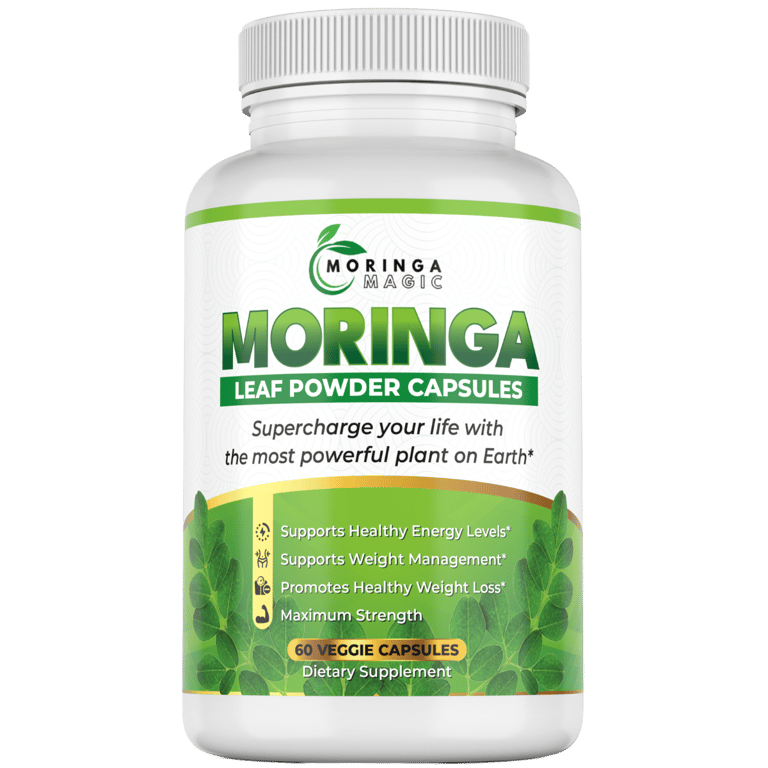
Moringa Magic™ Plant-Based Routine
- Highly bioavailable, plant-based routine designed to provide foundational nutritional support
- Helps your body optimize daily nutrient absorption and address hidden nutrient gaps
- Manufactured in a cGMP-compliant, FDA-registered facility without heavy stimulants
Furthermore, gut microbiota play a significant role in how we process various ingredients. Some animal research points toward shifts in gut flora that could influence glucose tolerance. While human data remains ongoing, it is worth considering if these additives align with your broader health objectives.
Evaluating The Metabolic Trade Off
Many people view zero calorie additives as a direct tool for managing body mass. They replace traditional sucrose to lower the total daily energy count. This strategy works for some who find it helps them stick to a specific caloric budget without feeling deprived of their favorite drink.
| Additive Type | Caloric Impact | Sensory Profile |
|---|---|---|
| Natural Stevia | Negligible | Clean bitter finish |
| Synthetic Aspartame | Zero | Intense lingering notes |
| Sugar Alcohol | Variable | Cooling mouth feel |
However, the psychological component of this trade off is equally important. If the substitute triggers a physiological desire for more food, the net result might not support your primary goals. Consistency in your overall dietary pattern remains a stronger predictor of success than any single choice regarding your coffee cup.
Identifying Nutritional Gaps In Morning Routines
A reliance on additives to make coffee palatable often masks a lack of genuine nutritional variety. Instead of focusing on removing sugar, consider why the bitterness of the bean feels unappealing. You might discover that the quality of the coffee itself is the primary issue.
- Quality Beans: High quality light roast coffee often has natural floral notes that reduce the need for any masking agents.
- Whole Milk: Adding a small splash of high fat dairy can provide a natural creaminess that satisfies the palate without chemical assistance.
- Spices: Cinnamon or nutmeg can provide warmth and depth to your beverage without the need for processed packets.
By slowly tapering your reliance on these additives, you allow your taste buds to recalibrate. This process usually takes about two weeks of consistent effort. You might find that you prefer the authentic flavor profile of the bean more than you previously expected.
Data Regarding Weight Management Trends
The U.S. National Library of Medicine maintains that weight management is multifaceted and relies on total lifestyle choices. Relying on a single substitution often overlooks the importance of fiber, protein, and physical activity. These variables dictate how your body manages energy storage more than the absence of caloric sugar in your morning cup.
Consider the cumulative impact of your daily choices. If your coffee is the only item in your day containing non-nutritive agents, the effect is likely minimal. If your day is full of these compounds through beverages, snacks, and pre-packaged meals, the collective load on your system increases.
Focusing on whole foods helps provide the necessary satiety that keeps your hunger signals steady. Protein at breakfast is often more effective at managing mid morning hunger than any specific sweetener choice. Prioritize a complete meal to support your body throughout the morning.
Frequently Asked Questions
Can these sweeteners cause insulin spikes?
Most research indicates that non-nutritive additives do not directly spike insulin in the same manner as glucose. They do not contain the carbohydrates necessary to trigger that specific hormonal response in most healthy individuals.
However, some studies suggest that the act of tasting sweetness might initiate a cephalic phase insulin release. This is a anticipatory response where the body prepares for sugar that never arrives, which could influence blood sugar stability in sensitive people.
Does the type of sweetener matter for long term health?
Different compounds carry different chemical structures, which means your body may interact with them in unique ways. Some people find that specific sugar alcohols cause digestive distress or bloating, which affects their overall comfort and daily movement.
Selecting a minimally processed option is often the preferred path for those concerned about long-term additive exposure. Prioritizing options that are plant-derived may provide a cleaner experience for your system compared to synthetic alternatives.
Is it better to use real sugar in moderation?
Using a small amount of real sugar allows you to experience authentic sweetness without the sensory confusion associated with chemical substitutes. This approach relies on portion control rather than total elimination, which can be easier for some people to maintain.
When you use a small, measured amount of natural sugar, you are less likely to overconsume later in the day. The satisfaction of a small amount of real sugar can prevent the craving for more intense, artificial sweetness.
Will removing these additives change my weight immediately?
Most individuals do not see an immediate shift in body mass simply by changing their coffee routine. Weight management is a cumulative process that occurs over weeks and months of consistent, healthy habits.
Removing these agents can, however, help you break the cycle of cravings for ultra-processed foods. This shift often leads to better choices across the entire day, which eventually contributes to more sustainable progress.
How can I adjust to drinking unsweetened coffee?
The most effective strategy involves a gradual reduction in the amount you add to each cup. Start by cutting your usual amount in half, then continue to lower it until you find a level that is tolerable.
Pair this reduction with high-quality, freshly roasted beans that have less inherent bitterness. You will soon find that the natural flavor of the coffee is quite complex and pleasant without any additives at all.
The Bottom Line
Coffee and the impact of artificial sweeteners on weight reflect a broader truth about our relationship with food. While these substitutes offer a low-calorie alternative for your morning beverage, they do not replace the need for a balanced, nutrient-dense diet. Your overall health outcomes depend more on your total intake of whole foods than on how you choose to flavor your daily brew.
If you find that these additives leave you craving more sweets throughout the day, consider slowly tapering your usage. Observe how your hunger levels change as you transition toward less processed alternatives. Focus on high-quality ingredients and sustainable habits to support your personal wellness journey.
This information is for educational purposes and does not replace medical advice. Never stop or change any medication without consulting the provider who recommended it. Consult a licensed healthcare provider before starting any new wellness routine.
Get Your FREE Natural Health Guide!
Subscribe now and receive our exclusive ebook packed with natural health tips, practical wellness advice, and easy lifestyle changes, delivered straight to your inbox.