
Contents
- A Personal Journey into Natural Remedies
- The Nutritional Profile of Cumin Seeds
- The Connection Between Cumin and Bladder Health
- Practical Applications of Cumin for Bladder Health
- Cultural Insights: Cumin Through the Ages
- Scientific Backing: What the Research Says
- Myths and Realities Surrounding Cumin
- A Step-by-Step Guide to Using Cumin for Bladder Health
- Personal Reflections and Observations
- Frequently Asked Questions
- Looking Ahead: The Future of Natural Remedies
- References
A Personal Journey into Natural Remedies
Years ago, I found myself grappling with frequent urinary discomfort. I was skeptical about natural remedies, often dismissing them as folk tales. However, after diving into research and experimenting with different herbs, I stumbled upon cumin seeds. Initially just a spice in my kitchen, cumin soon became a focal point in my quest for bladder health. The results were surprising and led me to explore the science behind this humble seed.


The Nutritional Profile of Cumin Seeds
Cumin seeds (Cuminum cyminum) boast a rich nutritional profile. They are packed with antioxidants, vitamins, and minerals that contribute to overall health. Notably, cumin is a source of iron, manganese, and magnesium, which play essential roles in bodily functions.
- Iron: Vital for oxygen transport in the blood.
- Manganese: Supports metabolism and bone health.
- Magnesium: Regulates muscle and nerve function.
In addition to these minerals, cumin seeds contain dietary fiber, which is crucial for digestive health. As I incorporated cumin into my diet, I noticed not just improvements in my urinary health but also a general sense of well-being.
The Connection Between Cumin and Bladder Health
Antimicrobial Properties
One of the most notable aspects of cumin seeds is their antimicrobial properties. Research has shown that cumin can inhibit the growth of certain bacteria, including those commonly associated with urinary tract infections (UTIs). A study published in the Journal of Ethnopharmacology highlighted that cumin extract demonstrated significant antibacterial activity against E. coli, a primary culprit in UTIs (1).
Anti-inflammatory Effects
Cumin seeds also possess anti-inflammatory properties, which can be particularly beneficial for bladder health. Chronic inflammation can lead to conditions such as interstitial cystitis, characterized by bladder pain and frequent urination. By incorporating cumin into my diet, I felt a reduction in inflammation and discomfort, likely due to these properties.
Diuretic Effects
A lesser-known benefit of cumin seeds is their diuretic effect. This can promote urinary flow, helping to flush out toxins and bacteria from the bladder. I found that adding cumin to my meals encouraged regular urination, which may have helped reduce the risk of UTIs.
Practical Applications of Cumin for Bladder Health
How to Incorporate Cumin into Your Diet
-
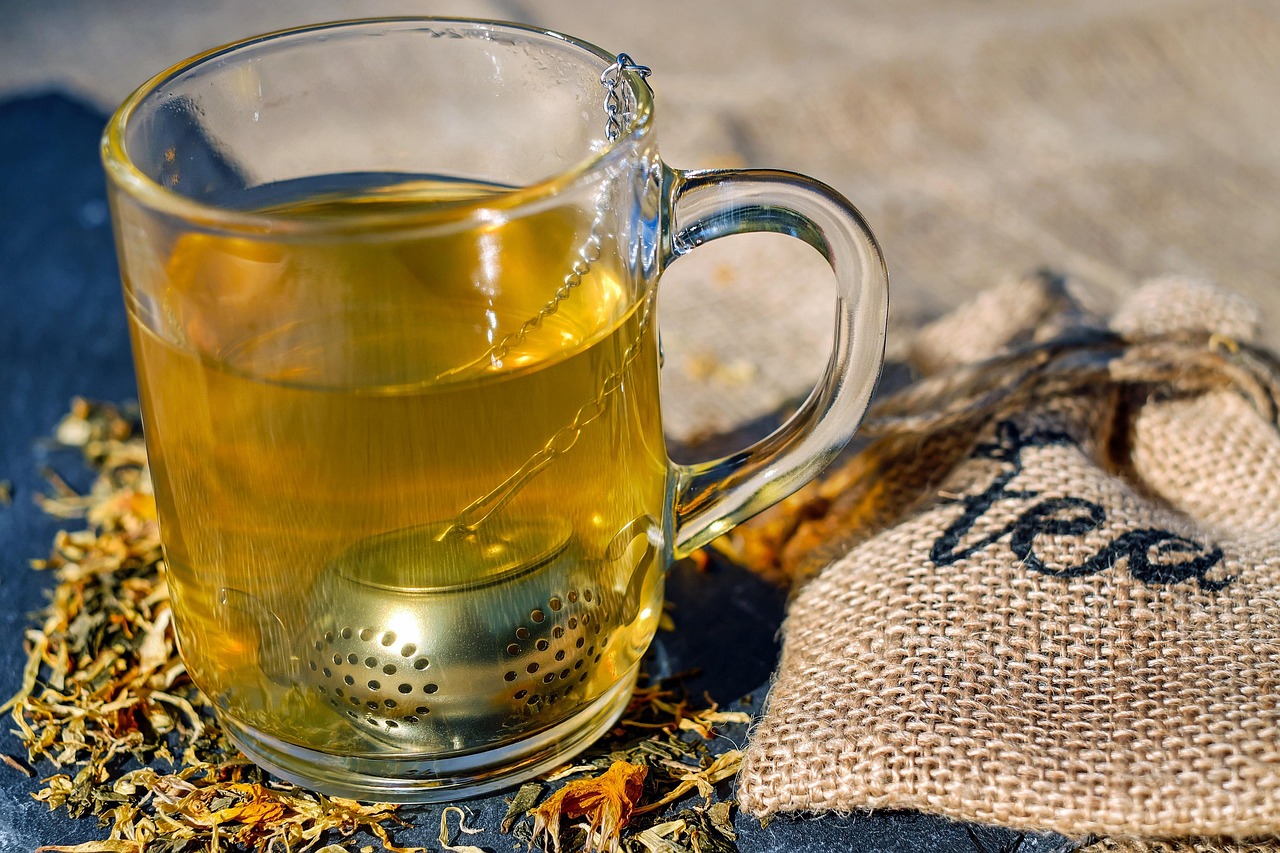
Cumin Tea: Boil a teaspoon of cumin seeds in water for 10 minutes. Strain and drink. This simple tea became a daily ritual for me.
-
Spice Blends: Mix cumin with other spices like turmeric and coriander for a flavorful seasoning on vegetables or meats.
-
Smoothies: Blend a pinch of cumin into your morning smoothie for an unexpected twist.
-
Soups and Stews: Add cumin to soups and stews for a warm, earthy flavor.
Common Mistakes to Avoid
While cumin is generally safe, moderation is key. Overconsumption may lead to digestive issues. Initially, I went overboard, thinking more would yield better results. Instead, I learned to balance my intake to reap the benefits without discomfort.
Cultural Insights: Cumin Through the Ages
Cumin has a rich history, dating back thousands of years. Ancient Egyptians used it as a spice and preservative, while the Romans believed it could ward off evil spirits. In many cultures today, cumin is a staple in cuisines from Indian curries to Middle Eastern dishes. Its global presence speaks to its versatility and health benefits.
Scientific Backing: What the Research Says
Several studies have explored the health benefits of cumin seeds, particularly concerning urinary health.
-
Antimicrobial Activity: A study published in the International Journal of Food Microbiology found that cumin essential oil exhibited significant antimicrobial activity against various pathogens, including those responsible for UTIs (2).
-
Anti-inflammatory Benefits: Research in the Journal of Medicinal Food highlights cumin’s potential in reducing inflammation, which can be beneficial for bladder conditions (3).
While the evidence is promising, it’s essential to approach these findings with a critical eye. Not all studies yield conclusive results, and individual experiences may vary.
Myths and Realities Surrounding Cumin
Myth: Cumin is Only a Culinary Spice
While cumin is widely recognized for its culinary uses, its medicinal properties are often overlooked. I’ve found that many people still regard it as merely a seasoning. However, its health benefits, particularly for bladder health, are gaining recognition.
Reality: Cumin Can Support Bladder Health
As I explored cumin’s properties, it became clear that this spice offers more than just flavor. Its antimicrobial, anti-inflammatory, and diuretic effects make it a valuable addition to a bladder-friendly diet.
A Step-by-Step Guide to Using Cumin for Bladder Health
Step 1: Start Small
If you’re new to cumin, begin with small amounts. I started with half a teaspoon in my meals and gradually increased it as I became accustomed to the flavor.
Step 2: Experiment with Recipes
Try different recipes that incorporate cumin. You might enjoy it in lentil soups, roasted vegetables, or even sprinkled on salads. This variety keeps things interesting and makes it easier to maintain a healthy diet.
Step 3: Monitor Your Body’s Response
Pay attention to how your body reacts. I noticed that after a few weeks of regular cumin consumption, my urinary discomfort diminished significantly. However, everyone’s body is different, so listen to yours.
Step 4: Combine with Other Health Practices
Cumin should complement a holistic approach to health. Stay hydrated, practice good hygiene, and consult with healthcare professionals for persistent issues.
Personal Reflections and Observations
Cumin has become more than just a spice in my kitchen. It has transformed my understanding of natural health remedies. I’ve met others who have experienced similar benefits, and it’s fascinating to see how a simple seed can impact well-being.
However, it’s essential to remain grounded. Cumin is not a cure-all. While it can aid in bladder health, it should be part of a balanced lifestyle.
Frequently Asked Questions
1. Can cumin seeds cure urinary tract infections?
Cumin seeds may help reduce the risk of UTIs due to their antimicrobial properties, but they should not replace medical treatment. Always consult a healthcare provider for infections.
2. How much cumin should I consume for bladder health?
Start with half a teaspoon daily and adjust based on your preference and tolerance.
3. Are there any side effects of consuming cumin?
In moderate amounts, cumin is generally safe. However, excessive consumption may lead to digestive issues.
4. Can I take cumin in supplement form?
While supplements are available, it’s best to consume cumin in its whole form for maximum benefits.
5. Is there anyone who should avoid cumin?
Individuals with specific allergies or those taking certain medications should consult a healthcare provider before incorporating cumin into their diet.
Looking Ahead: The Future of Natural Remedies
As I reflect on my journey with cumin, I’m reminded of the importance of holistic health. While research continues to unveil the benefits of various natural remedies, including cumin seeds for bladder health, it’s crucial to approach these findings with curiosity and caution.
The world of natural health is vast, and cumin is just one of many potential allies. As we continue to explore the intersection of traditional wisdom and modern science, who knows what other surprising benefits await us?
Disclaimer: This article is for educational purposes only and does not replace professional medical guidance. Always speak with a qualified healthcare provider before making changes to your health routine.
References
-
Alizadeh, A., et al. (2012). “Antibacterial activity of cumin (Cuminum cyminum) essential oil against uropathogenic Escherichia coli.” Journal of Ethnopharmacology. Link to study.
-
Kordali, S., et al. (2005). “Antimicrobial activity of essential oils from cumin (Cuminum cyminum) and other spice plants.” International Journal of Food Microbiology. Link to study.
-
Gholamnezhad, Z., et al. (2014). “The effect of Cuminum cyminum on inflammatory markers in patients with inflammatory bowel disease.” Journal of Medicinal Food. Link to study.
Get Your FREE Natural Health Guide!
Subscribe now and receive our exclusive ebook packed with natural health tips, practical wellness advice, and easy lifestyle changes, delivered straight to your inbox.