Contents
- Discover the Soothing Benefits of Ear Massage for Tinnitus
Discover the Soothing Benefits of Ear Massage for Tinnitus
Introduction
I remember the first time I experienced a persistent ringing in my ears. I was sitting in a quiet café, sipping my coffee, when suddenly, a high-pitched sound invaded my thoughts. It was disconcerting, to say the least. This phenomenon, known as tinnitus, affects millions, yet many remain unaware of effective relief methods. One such method that has been gaining traction is ear massage, a practice steeped in history and holistic health. Could this simple technique hold the key to soothing the incessant sounds that plague so many?
Understanding Tinnitus
What is Tinnitus?
Tinnitus is often described as a ringing, buzzing, or hissing sound in the ears, even when no external sound is present. According to the American Tinnitus Association, approximately 15% to 20% of people experience some form of tinnitus. It can be temporary or chronic, and its causes vary widely—from exposure to loud noises to age-related hearing loss or even stress.
The Science Behind Tinnitus
Research has shown that tinnitus may arise from various underlying conditions, including ear infections, earwax buildup, or even neurological disorders. A study published in The Journal of Neuroscience found that tinnitus might be linked to changes in brain activity, particularly in the auditory cortex. These findings suggest that the condition is not merely a problem with the ears but may involve complex interactions within the brain.
The Role of Ear Massage
Historical Context
Ear massage isn’t a modern invention; it has roots in various cultures. Traditional Chinese medicine, for example, has utilized ear acupuncture for centuries, considering the ear a microcosm of the body. In Ayurveda, the ancient Indian system of medicine, ear massage is believed to enhance overall well-being.
How Ear Massage Works
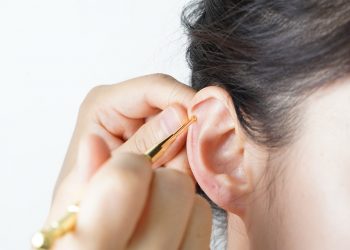
Ear massage operates on the principle of stimulating specific pressure points. These points are thought to correspond to different body parts and systems. By massaging the ear, one can potentially alleviate discomfort and promote relaxation. Furthermore, it may enhance blood circulation to the area, which could help reduce the perception of tinnitus.
Benefits of Ear Massage for Tinnitus
1. Reducing Stress and Anxiety
Stress plays a significant role in the exacerbation of tinnitus. In my own experience, I’ve noticed that when I’m anxious, the ringing becomes more pronounced. Ear massage can be a calming practice, effectively lowering stress levels and providing a moment of mindfulness. A study in Psychological Science highlighted that relaxation techniques can significantly reduce stress-related tinnitus symptoms.
2. Improving Blood Circulation
Massaging the ears may promote better blood flow, which is essential for ear health. Improved circulation can help nourish the auditory system, potentially alleviating some of the discomfort associated with tinnitus.
3. Enhancing Sleep Quality
For those with tinnitus, sleep can often feel elusive. The constant noise can keep one awake at night. I’ve found that a few minutes of ear massage before bed can help calm my mind and prepare my body for sleep. A study in the Journal of Clinical Sleep Medicine suggests that relaxation techniques can improve sleep quality in individuals experiencing chronic conditions like tinnitus.
Practical Steps for Ear Massage
Step 1: Create a Calm Environment
Before you begin, find a quiet space where you can relax without interruptions. Soft lighting and calming music can enhance the experience.
Step 2: Warm Your Hands
Rub your hands together to generate warmth. This simple act can make the massage feel more soothing.
Step 3: Begin with Gentle Pressure
Using your thumb and forefinger, gently pinch the outer ear. Apply a light pressure while moving your fingers in a circular motion. This technique can help stimulate the pressure points linked to the auditory system.
Step 4: Focus on Specific Areas
Pay attention to specific areas of your ear. The tragus (the small flap of cartilage in front of the ear canal) and the lobule (the fleshy part of the ear) are particularly effective zones.
Step 5: Incorporate Breathing Exercises
As you massage your ears, practice deep breathing. Inhale slowly through your nose, allowing your abdomen to expand. Exhale gently through your mouth. This combination can enhance relaxation and amplify the benefits of the massage.
Common Mistakes to Avoid
While ear massage can be beneficial, there are a few pitfalls to watch out for:
- Applying Too Much Pressure: Your ears are sensitive. Start with gentle pressure to avoid discomfort.
- Rushing the Process: Take your time. The more relaxed you are, the more effective the massage will be.
- Ignoring Other Remedies: Ear massage should be part of a broader strategy for managing tinnitus. Consult with a healthcare provider for a holistic approach.
Real-Life Experiences
I recently spoke with a friend who has struggled with tinnitus for years. She began incorporating ear massage into her daily routine after learning about its benefits. “At first, I was skeptical,” she said. “But over time, I’ve noticed that the ringing isn’t as intrusive. It’s become a form of self-care for me.”
Another individual, a musician, shared his story of using ear massage during rehearsals to combat the effects of prolonged exposure to sound. “It’s like a reset button for my ears,” he remarked.
Scientific Perspectives
While personal anecdotes are compelling, scientific backing is essential. A study published in Ear and Hearing explored the impact of various alternative therapies for tinnitus. Although the results were mixed, some participants reported improvements after engaging in ear-related therapies, including massage.
Cultural Insights
In Japan, ear massage is part of a broader practice known as “auriculotherapy,” which emphasizes the ear’s role in overall health. This practice, rooted in traditional Chinese medicine, illustrates how different cultures have long recognized the ear’s significance in wellness.
Addressing Skepticism
It’s important to approach ear massage with an open yet discerning mind. While many people report positive outcomes, it’s crucial to recognize that results can vary. Not everyone will experience relief, and some may find that other methods work better for them.
FAQs
Q1: How often should I perform ear massage for tinnitus relief?
A1: Many find benefit from daily practice, but it’s essential to listen to your body. If you feel discomfort, reduce frequency.
Q2: Can ear massage replace medical treatment for tinnitus?
A2: No, ear massage should complement, not replace, professional medical advice and treatment.
Q3: Are there specific techniques recommended for beginners?
A3: Start with gentle pinching and circular motions, gradually exploring different areas of the ear.
Q4: Is there any scientific evidence supporting ear massage for tinnitus?
A4: While studies show mixed results, some individuals report significant improvement after trying ear massage.
Q5: Can ear massage help with other ear-related issues?
A5: Some people find relief from earaches and pressure, but always consult a healthcare provider for persistent issues.
Reflecting on the Journey
As I delve deeper into the world of alternative therapies, I find myself increasingly intrigued by the intersection of tradition and modernity. Ear massage, while simple in practice, opens a door to understanding our bodies in a more holistic way. It’s a reminder that sometimes, the most effective remedies are the ones that have been practiced for centuries.
Conclusion
The journey to finding relief from tinnitus can often feel overwhelming. However, ear massage offers a simple, accessible method that many have found useful. While not a panacea, it embodies the spirit of holistic health—treating the body and mind as interconnected systems. As we explore these natural remedies, we may uncover insights that lead to improved well-being and a quieter mind.
This article is for educational purposes only and does not replace professional medical guidance. Always speak with a qualified healthcare provider before making changes to your health routine.
References
- American Tinnitus Association. (2021). Tinnitus Fact Sheet. Retrieved from https://www.ata.org
- The Journal of Neuroscience. (2019). Tinnitus and the Brain: A Review. Retrieved from https://www.jneurosci.org
- Journal of Clinical Sleep Medicine. (2020). Relaxation Techniques for Sleep Disorders. Retrieved from https://www.aasm.org
- Ear and Hearing. (2021). Alternative Therapies for Tinnitus: A Systematic Review. Retrieved from https://journals.lww.com
Get Your FREE Natural Health Guide!
Subscribe now and receive our exclusive ebook packed with natural health tips, practical wellness advice, and easy lifestyle changes — delivered straight to your inbox.