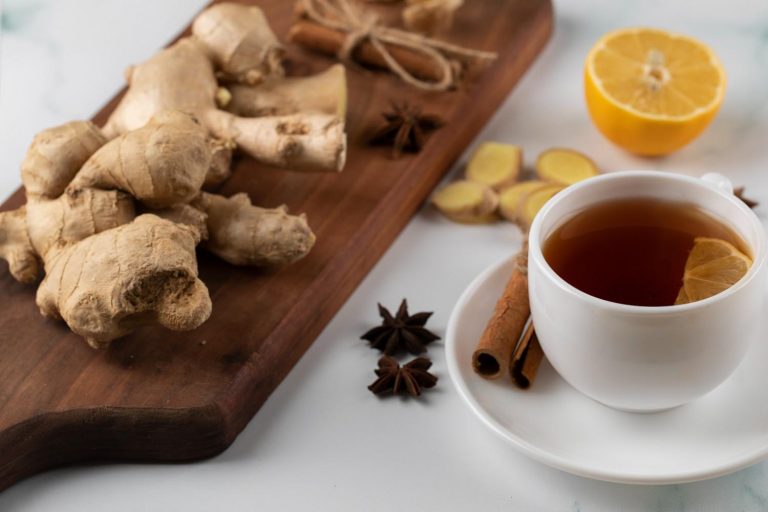
Have you ever taken a moment to appreciate the simple beauty of a cup of herbal tea? For me, one of the most intriguing is parsley tea. While it might seem humble, this vibrant green infusion is packed with potential benefits, particularly for kidney health. In a world where we often overlook the power of natural remedies, sipping on parsley tea could be a game-changer.
Contents
- The Nutritional Powerhouse of Parsley
- The Role of Diuretics in Kidney Health
- Historical Context: Parsley in Traditional Medicine
- Parsley’s Antioxidant Properties
- Myths vs. Reality: Debunking Common Misconceptions
- Personal Reflections: My Journey with Herbal Teas
- Step-by-Step Guide to Enjoying Parsley Tea
- Frequently Asked Questions
- Reflecting on the Journey Ahead
- References
The Nutritional Powerhouse of Parsley
Parsley (Petroselinum crispum) is more than just a garnish on your plate; it’s a nutritional powerhouse. Rich in vitamins A, C, and K, along with essential minerals like potassium and iron, parsley offers a broad spectrum of health benefits. Its diuretic properties, in particular, have garnered attention in the realm of kidney health.
What Does Research Say?
A study published in the Journal of Medicinal Food highlights the diuretic effects of parsley, suggesting it helps increase urine output. This can be particularly beneficial for individuals looking to flush out toxins and support kidney function (1). Notably, it contains compounds like apiol and myristicin, which may contribute to its diuretic effects.
Practical Application: Making Parsley Tea
Making parsley tea is straightforward. Here’s how I usually prepare it:
- Ingredients: Fresh parsley (a handful) and water (about 2 cups).
- Preparation: Rinse the parsley thoroughly to remove dirt. Chop it coarsely to release its oils.
- Brewing: Boil the water and add the parsley. Let it steep for about 5–10 minutes, depending on your taste preference.
- Strain: Use a fine mesh strainer to separate the leaves from the liquid.
I often find that a squeeze of lemon enhances the flavor and adds a dose of vitamin C.
Common Mistakes to Avoid
While parsley tea is generally safe for most, some people might overdo it. Consuming excessive amounts can lead to digestive issues or skin sensitivity. Moderation is key, just as with any herbal remedy.
The Role of Diuretics in Kidney Health
Diuretics help promote the excretion of water and salts through urine. For those with kidney concerns, a diuretic effect can be beneficial in managing fluid retention and reducing the workload on the kidneys.
Real-Life Example: A Case Study
Consider Sarah, a 45-year-old woman with a history of mild kidney stones. After incorporating parsley tea into her daily routine, she noticed a reduction in her symptoms and an improvement in her overall well-being. While her experience is anecdotal, it highlights the potential of integrating natural remedies into daily life.
Cautionary Notes
However, not everyone should indulge in parsley tea. Individuals with kidney disease or those on specific medications should consult a healthcare provider, as parsley can interact with certain drugs, including blood thinners.
Historical Context: Parsley in Traditional Medicine
Historically, parsley has been used in various cultures as a natural remedy. In ancient Greece, it was associated with death and used to crown victors in athletic competitions. However, its medicinal properties were also recognized, particularly for digestive and kidney health.
Cultural Insights
In Middle Eastern cuisine, parsley is a staple. Dishes like tabbouleh not only celebrate this herb but also highlight its nutritional benefits. When I visited a local Mediterranean restaurant, I was amazed at how often parsley featured in their dishes, and it sparked my curiosity about its health benefits.
Parsley’s Antioxidant Properties
Beyond its diuretic effects, parsley is rich in antioxidants. These compounds combat oxidative stress, which can be detrimental to kidney health. A study from the National Institutes of Health indicates that oxidative stress is linked to kidney disease progression (2).
Integrating Antioxidants into Your Diet
Incorporating parsley tea into your routine can be an easy way to boost your antioxidant intake. Pairing it with other antioxidant-rich foods like berries, nuts, and leafy greens can create a powerful synergy for kidney support.
Myths vs. Reality: Debunking Common Misconceptions
There are many myths surrounding herbal remedies, and parsley tea is no exception. One common misconception is that all herbs are safe in unlimited quantities. As mentioned earlier, moderation is essential.
Reality Check
While parsley tea can be beneficial, it’s not a cure-all. Some people believe it can replace medications prescribed for kidney issues. This is not the case. It should complement a well-rounded approach to health, not substitute for medical advice or treatment.
Personal Reflections: My Journey with Herbal Teas
When I first started exploring herbal teas, I was skeptical. Could something as simple as parsley really make a difference? But after several months of incorporating parsley tea into my diet, I noticed subtle improvements in my digestion and energy levels.
While I still enjoy a range of herbal teas, parsley holds a special place for me. Its fresh, grassy flavor is invigorating, and it reminds me of the power of nature’s remedies.
Step-by-Step Guide to Enjoying Parsley Tea
To make the most of your parsley tea experience, consider these steps:
- Choose Fresh Parsley: Look for vibrant, green leaves. Avoid wilted or yellowing parsley.
- Experiment with Flavors: Don’t hesitate to add other herbs like mint or lemon balm for a unique twist.
- Drink Mindfully: Take a moment to enjoy the aroma and flavor. Herbal teas can be a meditative experience.
- Pair with Healthy Foods: Enjoy your tea alongside meals rich in fiber and nutrients to support kidney health.
Anecdote: A Tea Ritual
I’ve found that sipping parsley tea in the morning, paired with a light breakfast, sets a positive tone for the day. It’s become a small ritual that I look forward to, grounding me in the present moment.
Frequently Asked Questions
1. Can parsley tea help with kidney stones?
While parsley tea may help promote urine flow, which can aid in flushing out small stones, it’s essential to consult a healthcare provider for tailored advice.
2. How often should I drink parsley tea?
Moderation is key. Drinking 1-2 cups a day is generally safe for most people, but individuals with specific health concerns should consult a doctor.
3. Are there any side effects of parsley tea?
In moderate amounts, parsley tea is safe for most. However, excessive consumption can lead to digestive issues or skin sensitivity.
4. Can I use dried parsley for tea?
Yes, dried parsley can be used, but fresh parsley typically offers stronger flavor and nutrient content.
5. Is parsley tea safe during pregnancy?
Pregnant women should consult a healthcare provider before consuming parsley tea, as high amounts might not be recommended.
Reflecting on the Journey Ahead
As I reflect on the journey of exploring parsley tea, I’m reminded of the delicate balance between nature and health. While research is still developing, the potential benefits of parsley for kidney health are compelling.
A Forward-Looking Perspective
In a world increasingly leaning towards holistic health approaches, herbal remedies like parsley tea deserve a place at the table. The integration of traditional knowledge with modern science can offer valuable insights into our health.
This article is for educational purposes only and does not replace professional medical guidance. Always speak with a qualified healthcare provider before making changes to your health routine.
References
-
Kaur, K., & Gupta, A. (2017). Diuretic activity of Petroselinum crispum. Journal of Medicinal Food. Link
-
Kato, M., & Nakanishi, T. (2019). Oxidative stress in chronic kidney disease. National Institutes of Health. Link
-
Mayo Clinic. (2021). Kidney disease: Symptoms and causes. Link
By embracing the wisdom of nature, we open ourselves to a world of possibilities for enhancing our health. Parsley tea is just one of many paths to explore.
Get Your FREE Natural Health Guide!
Subscribe now and receive our exclusive ebook packed with natural health tips, practical wellness advice, and easy lifestyle changes, delivered straight to your inbox.