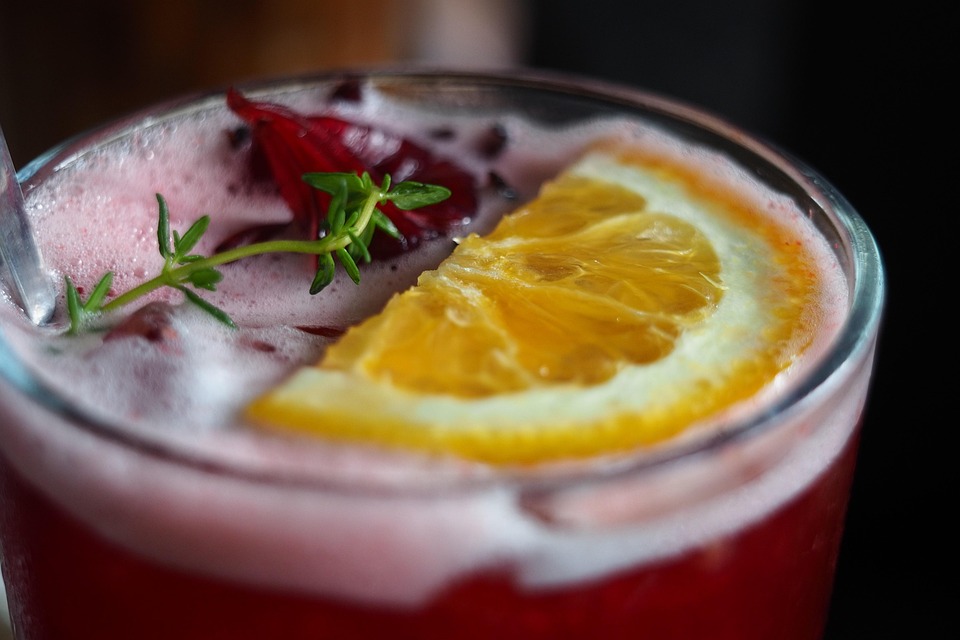

When I first stumbled upon hibiscus tea, it was during a summer retreat in a quaint little café that specialized in herbal brews. The vibrant ruby-red color of the tea caught my eye, and the enticing aroma was impossible to resist. Little did I know, this delightful beverage would soon become a staple in my daily routine, not just for its taste, but for its myriad of health benefits, especially detoxification.

Hibiscus tea, made from the dried petals of the hibiscus flower (Hibiscus sabdariffa), has been enjoyed for centuries in various cultures for its refreshing flavor and potential health benefits. Let’s explore how incorporating this herbal tea into your routine can support detoxification and overall well-being.
Contents
- The Detox Power of Hibiscus Tea
- Cultural and Historical Context of Hibiscus Tea
- The Science Behind Hibiscus Tea and Detoxification
- Step-by-Step Guide to Incorporating Hibiscus Tea into Your Routine
- FAQs About Hibiscus Tea and Detoxification
- Reflecting on Hibiscus Tea in My Routine
- Final Thoughts
- References
The Detox Power of Hibiscus Tea
Understanding Detoxification
Detoxification is the body’s natural process of eliminating toxins, whether they come from environmental factors, food, or internal metabolism. While the liver and kidneys play crucial roles in detoxification, certain foods and beverages can support these organs in their function. Hibiscus tea is one such beverage, celebrated for its potential to enhance the detox process.
Antioxidant Properties
One of the primary reasons hibiscus tea is lauded for detox is its rich antioxidant content. Antioxidants help neutralize free radicals—unstable molecules that can cause oxidative stress and damage cells. A study published in the Journal of Ethnopharmacology found that hibiscus extract has significant antioxidant activity, which may help protect the liver and other organs from damage.
Real-Life Example: Personal Experience
I remember a week when I decided to cut back on processed foods and sugar. To support my body during this transition, I made hibiscus tea a daily habit. I noticed that my energy levels improved, and my skin appeared clearer, likely due to the tea’s detoxifying properties.
Supporting Liver Health
The liver is a key player in detoxification, filtering toxins from the blood. Research has shown that hibiscus tea may help support liver health. A study in Phytotherapy Research indicated that hibiscus extract could improve liver function and reduce liver damage in animals.
Practical Application: Enjoying Hibiscus Tea
To incorporate hibiscus tea into your routine, try brewing a cup in the morning. Add a slice of lemon or a dash of honey for flavor. This refreshing drink is not only hydrating but also acts as a gentle morning detox.
Diuretic Effect
Hibiscus tea has mild diuretic properties, which means it can promote urination, helping the body eliminate excess water and toxins. A study published in the Journal of Nutrition found that hibiscus tea consumption significantly increased urine output.
Common Mistake: Overconsumption
While the diuretic effects can be beneficial, it’s essential to consume hibiscus tea in moderation. Overdoing it may lead to dehydration or an imbalance of electrolytes. I’ve found that two to three cups a day is a sweet spot for me, but listening to your body is crucial.
Cultural and Historical Context of Hibiscus Tea
Hibiscus tea has deep roots in various cultures. In Egypt, it’s known as “karkade,” and has been consumed for centuries for its refreshing qualities and health benefits. In West Africa, it’s used in traditional medicine to treat a variety of ailments. Understanding these cultural contexts adds depth to our appreciation of hibiscus tea as more than just a trendy health drink.
A Global Perspective
In many Caribbean countries, hibiscus tea is a staple, often enjoyed cold with sugar and spices. During my travels in Jamaica, I tasted a version infused with ginger and spices—a delightful twist that not only tasted good but also provided additional health benefits.
The Science Behind Hibiscus Tea and Detoxification
Cardiovascular Benefits
Hibiscus tea is not just about detox; it also has cardiovascular benefits. Studies have shown that hibiscus tea can help lower blood pressure and cholesterol levels. A meta-analysis in the Journal of Hypertension highlighted that regular consumption of hibiscus tea can significantly reduce systolic and diastolic blood pressure.
Insight: A Holistic Approach
While hibiscus tea has its benefits, it’s important to adopt a holistic approach to health. Combining hibiscus tea with a balanced diet and regular exercise maximizes its detox potential.
Potential Risks and Considerations
Despite its benefits, there are some caveats to consider with hibiscus tea. For instance, its diuretic effects may interact with certain medications, particularly those for hypertension. Always consult with a healthcare provider if you’re on medication or have underlying health conditions.
Step-by-Step Guide to Incorporating Hibiscus Tea into Your Routine
1. Choosing Quality Hibiscus Tea
Not all hibiscus teas are created equal. Look for organic options that are free from additives. I prefer loose-leaf hibiscus, which tends to have a richer flavor than bagged varieties.
2. Brewing the Perfect Cup
- Ingredients: 1 tablespoon dried hibiscus petals, 2 cups water, optional sweetener (honey, agave, or stevia).
- Instructions:
- Boil the water in a pot.
- Add the dried hibiscus petals and reduce heat.
- Let it simmer for about 10 minutes.
- Strain the tea into a cup and sweeten as desired.
3. Experimenting with Flavors
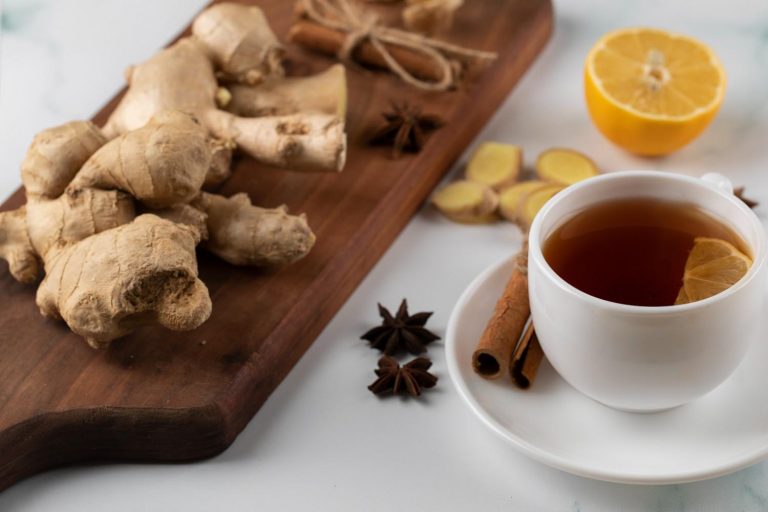
Feel free to experiment with flavors! I sometimes add a slice of ginger or a few mint leaves for an extra kick. You can also serve it iced for a refreshing summer drink.
4. Timing Your Consumption
Consider when you drink hibiscus tea. Some prefer it in the morning as a detox aid, while others enjoy it in the evening as a calming ritual. I’ve found that sipping it in the afternoon helps combat the post-lunch slump.
FAQs About Hibiscus Tea and Detoxification
Q1: Can hibiscus tea help with weight loss?
While hibiscus tea may support weight loss by promoting urination and reducing appetite, it should be combined with a balanced diet and exercise for effective results.
Q2: How much hibiscus tea is safe to drink daily?
Most studies suggest 2-3 cups per day is safe for most individuals. However, personal tolerance can vary, so it’s important to listen to your body.
Q3: Are there any side effects of hibiscus tea?
Hibiscus tea can lower blood pressure, so individuals on hypertension medication should consult a healthcare provider. It may also cause stomach upset in some people.
Q4: Can I drink hibiscus tea while pregnant?
Pregnant women should consult their healthcare provider before consuming hibiscus tea, as it may have effects on hormone levels.
Q5: How does hibiscus tea compare to other herbal teas?
Hibiscus tea is unique due to its high antioxidant content and diuretic properties, setting it apart from other herbal teas like chamomile or peppermint.
Reflecting on Hibiscus Tea in My Routine
As I look back on my journey with hibiscus tea, I realize it has become more than just a beverage; it’s a ritual that encourages mindfulness and self-care. Each cup serves as a reminder to prioritize my health and well-being.
Incorporating hibiscus tea into my daily routine has not only provided detox benefits but also fostered a deeper appreciation for natural remedies. As someone who has spent years researching natural health remedies, I can confidently say that hibiscus tea stands out as a delicious and beneficial addition to any wellness regimen.
Final Thoughts
In a world increasingly focused on health and wellness, hibiscus tea offers a simple yet effective way to support detoxification. Whether enjoyed hot or cold, alone or blended with other flavors, this herbal brew has a lot to offer.
As you consider adding hibiscus tea to your routine, remember that the journey toward better health is both personal and unique. Explore, experiment, and enjoy the process of discovering what works best for you.
Medical Disclaimer: This article is for educational purposes only and does not replace professional medical guidance. Always speak with a qualified healthcare provider before making changes to your health routine.
References
-
Ranjbar, A., et al. (2017). Antioxidant and hepatoprotective effects of Hibiscus sabdariffa. Journal of Ethnopharmacology. Link
-
Kirtman, B. P., et al. (2016). Effects of Hibiscus sabdariffa extract on blood pressure. Phytotherapy Research. Link
-
Bhandari, S. S., et al. (2019). The effects of Hibiscus sabdariffa tea on blood pressure: A systematic review and meta-analysis. Journal of Hypertension. Link
Get Your FREE Natural Health Guide!
Subscribe now and receive our exclusive ebook packed with natural health tips, practical wellness advice, and easy lifestyle changes, delivered straight to your inbox.