Walking through the produce aisle, you might not think much about the power of vegetables. However, for those of us dealing with joint discomfort, the right veggies can be game-changers. I remember a friend of mine who struggled with arthritis for years. Traditional medications helped, but it was the inclusion of specific vegetables in her diet that truly transformed her experience. She felt lighter, more mobile, and less dependent on pain relief.
In this article, we will explore the best vegetables that can help ease joint discomfort, backed by scientific research and personal insights.
Contents
Understanding Joint Discomfort
Before we dive into the veggies, it’s essential to understand what joint discomfort is. Simply put, it’s a term that encompasses various conditions, including arthritis, tendinitis, and bursitis. These conditions can lead to inflammation, stiffness, and pain in the joints. According to the Centers for Disease Control and Prevention (CDC), arthritis affects over 54 million adults in the U.S. alone, making it a significant public health concern.
Many people find themselves caught in a cycle of pain and frustration, often relying on medications that come with a host of side effects. While pharmaceuticals can be effective, the quest for natural remedies has led many to explore dietary changes, particularly the inclusion of anti-inflammatory foods.
The Role of Diet in Joint Health
Diet plays a crucial role in managing inflammation. Research shows that certain foods can either exacerbate or alleviate symptoms. The Mediterranean diet, rich in vegetables, fruits, whole grains, and healthy fats, has been associated with lower levels of inflammation. This brings us to the powerhouse of our discussion: vegetables.
The Best Veggies for Joint Discomfort
1. Leafy Greens
Examples: Spinach, kale, collard greens.
Leafy greens are packed with antioxidants and vitamins A, C, and K, which have anti-inflammatory properties. A study published in The Journal of Nutrition highlighted that higher intakes of leafy greens are associated with lower levels of inflammatory markers in the body.
Practical Tip: Try incorporating a kale salad with olive oil and lemon juice for a refreshing side dish. I’ve found that adding nuts or seeds gives it a satisfying crunch while boosting its nutritional profile.
2. Cruciferous Vegetables
Examples: Broccoli, Brussels sprouts, cauliflower.
Cruciferous vegetables contain sulforaphane, a compound that has been shown to inhibit inflammation. A study from the Journal of Medicinal Food indicated that sulforaphane may help reduce the severity of arthritis.
Common Mistake: Overcooking cruciferous vegetables can diminish their health benefits. Steaming them lightly retains their nutrients better than boiling.
3. Bell Peppers
Color Variety: Red, yellow, and green.
Bell peppers are rich in vitamin C, which is essential for collagen formation and maintaining joint health. They also contain quercetin, an antioxidant that reduces inflammation. Research from the American Journal of Clinical Nutrition found a correlation between high vitamin C intake and reduced joint pain.
Personal Insight: I often toss bell peppers into stir-fries or salads, adding a pop of color and crunch.
4. Sweet Potatoes
Sweet potatoes are not just delicious; they are also rich in beta-carotene, an antioxidant that helps combat inflammation. A study published in the Journal of Nutritional Biochemistry found that beta-carotene can help reduce oxidative stress, which is linked to joint pain.
Practical Application: Try baking sweet potatoes and topping them with a sprinkle of cinnamon for a nutritious snack.
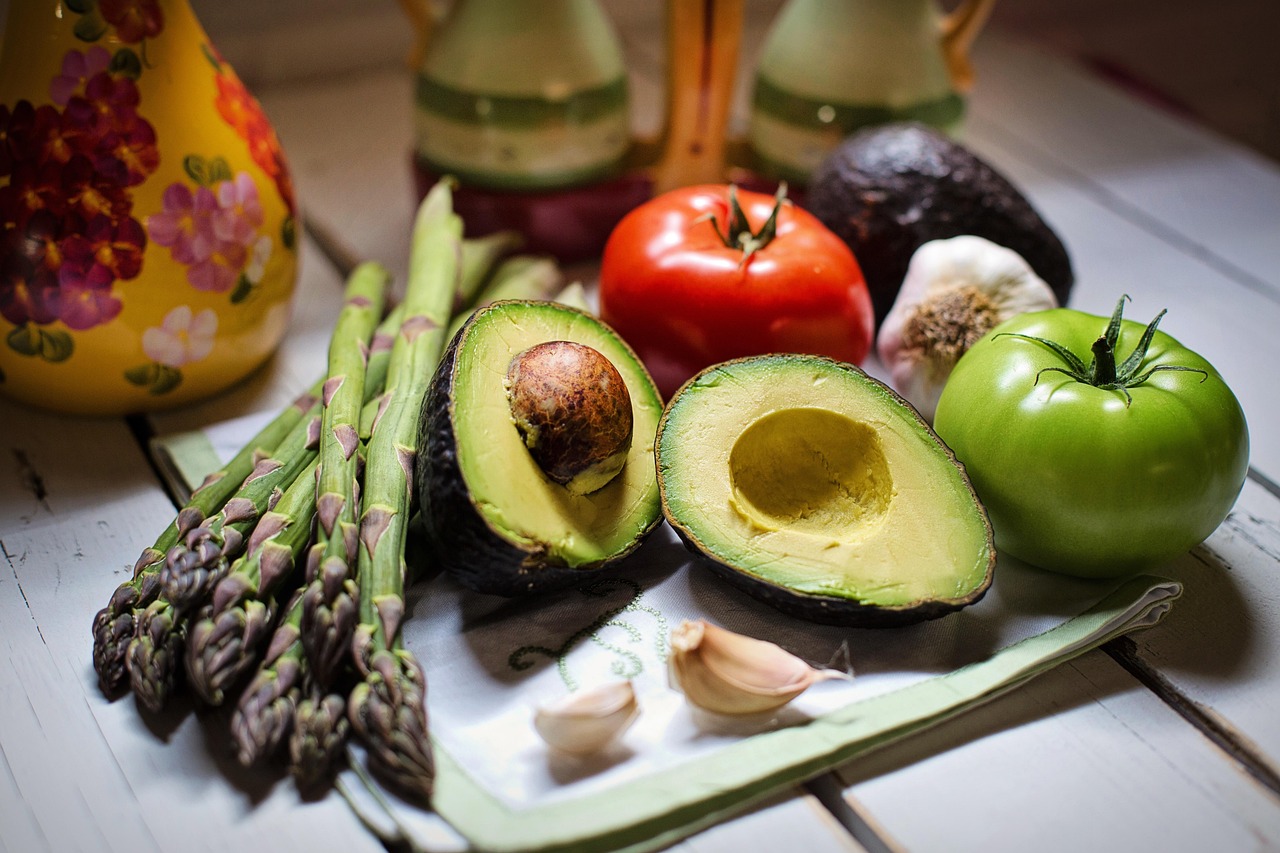
5. Garlic
Garlic is a culinary staple that offers more than just flavor. It contains diallyl disulfide, a compound that may help lower inflammation. A study in the Journal of Immunology indicated that garlic can help modulate immune responses, potentially benefiting those with inflammatory conditions.
Cultural Note: In many cultures, garlic is used not only for its flavor but also for its purported health benefits. I’ve seen families in Mediterranean regions use garlic in nearly every dish, believing in its healing properties.
6. Beets
Beets are a vibrant addition to any plate and packed with antioxidants and anti-inflammatory compounds. A study in the Journal of Nutrition found that beetroot juice can help reduce systemic inflammation.
Common Mistake: Many people shy away from beets due to their earthy flavor. Roasting them with olive oil can enhance their sweetness, making them more palatable.
7. Onions
Onions contain quercetin, which acts as a powerful antioxidant. Research in the American Journal of Clinical Nutrition suggests that higher quercetin intake is linked to reduced inflammation and improved joint health.
Personal Reflection: I love adding onions to my meals for both flavor and health. Whether in soups or on burgers, they add depth and a health boost.
8. Tomatoes
Tomatoes are rich in lycopene, another antioxidant that helps reduce inflammation. A study published in The Journal of Nutrition indicated that lycopene could play a role in reducing the risk of developing osteoarthritis.
Practical Insight: Incorporating raw tomatoes into salads or sauces can enhance your meals while providing anti-inflammatory benefits.
Real-Life Example: A Dietary Shift
Consider the story of Lisa, a 45-year-old woman who had been struggling with rheumatoid arthritis. After years of relying on medications, she decided to explore dietary changes. She began incorporating leafy greens, cruciferous vegetables, and garlic into her daily meals. Within a few months, she reported a noticeable decrease in joint stiffness and pain.
Lisa’s experience aligns with research indicating that dietary changes can have a significant impact on inflammation and joint health.
Addressing Common Myths
Many people believe that all vegetables are equally beneficial for joint health. However, some may not provide the same anti-inflammatory effects. For example, nightshade vegetables like tomatoes and eggplants have been rumored to exacerbate joint pain in some individuals, although scientific evidence is limited.
It’s crucial to listen to your body. If you notice discomfort after consuming certain vegetables, it may be worth limiting them in your diet.
Practical Steps for Incorporating Joint-Friendly Veggies
-
Plan Your Meals: Take a few minutes each week to plan meals that include a variety of these vegetables. This ensures you’re getting a range of nutrients.
-
Experiment with Cooking Methods: Roasting, steaming, and sautéing can bring out different flavors in vegetables. Don’t hesitate to try new methods.
-
Blend into Smoothies: If you’re not a fan of certain veggies, try blending them into smoothies. Spinach and kale can easily be masked by fruits like bananas or berries.
-
Join a Cooking Class: Learning new recipes can be a fun way to incorporate these veggies into your diet. Many local classes focus on healthy eating.
-
Keep a Food Journal: Tracking what you eat and how it makes you feel can provide insights into which foods work best for you.
Caveats and Considerations
While incorporating these vegetables can provide benefits, it’s essential to approach dietary changes holistically. Not everyone will experience the same results, and some may have allergies or intolerances.
Moreover, relying solely on diet to manage joint discomfort may not be sufficient for everyone. It’s always wise to consult with a healthcare provider before making significant changes to your diet or treatment plan.
FAQs
1. Can I eat these vegetables raw?
Absolutely! Many of these vegetables can be enjoyed raw. Just be aware that some may be more beneficial when cooked.
2. How long does it take to feel the effects of dietary changes?
It varies by individual. Some may notice improvements in a few weeks, while for others, it may take longer.
3. Are there any vegetables I should avoid?
While most vegetables are beneficial, some individuals may find that nightshades, like tomatoes and peppers, can exacerbate their symptoms.
4. How can I make vegetables more appealing?
Experiment with different herbs, spices, and cooking methods to enhance flavors.
5. Is it necessary to eat organic vegetables?
While organic options can reduce pesticide exposure, the most important thing is to consume a variety of vegetables, whether they are organic or conventional.
Conclusion
The journey to easing joint discomfort can be complex, but incorporating the right vegetables can make a difference. These powerhouse foods not only nourish your body but also offer a delicious way to enhance your meals. As you explore these options, remember that everyone’s body is unique. Take the time to discover what works best for you.
This article is for educational purposes only and does not replace professional medical guidance. Always speak with a qualified healthcare provider before making changes to your health routine.
References
- Centers for Disease Control and Prevention. (2021). “Arthritis Fast Facts.” CDC Arthritis
- Journal of Nutrition. (2018). “Leafy Greens and Inflammation.” Journal of Nutrition
- American Journal of Clinical Nutrition. (2016). “Vitamin C and Joint Health.” AJCN
- Journal of Medicinal Food. (2019). “Sulforaphane in Cruciferous Vegetables.” Journal of Medicinal Food
- Journal of Nutritional Biochemistry. (2020). “Beta-Carotene and Inflammation.” Journal of Nutritional Biochemistry
Get Your FREE Natural Health Guide!
Subscribe now and receive our exclusive ebook packed with natural health tips, practical wellness advice, and easy lifestyle changes — delivered straight to your inbox.