When I first stumbled upon the idea of using spearmint tea to help manage blood sugar levels, I was skeptical. Tea? Really? I imagined it as just another herbal remedy with vague promises. However, as I dug deeper into the research, I found intriguing evidence that suggested spearmint tea could indeed play a supportive role in blood sugar control. This article explores the potential benefits of spearmint tea for blood sugar management, backed by scientific studies, practical applications, and real-life observations.

Contents
- The Surprising Science Behind Spearmint
- How Spearmint Tea May Help Control Blood Sugar
- Practical Applications: How to Incorporate Spearmint Tea into Your Routine
- Real-Life Insights: Case Studies and Anecdotes
- Counterpoints and Caveats: What to Consider
- FAQs About Spearmint Tea and Blood Sugar Control
- Reflecting on the Potential of Spearmint Tea
- References
The Surprising Science Behind Spearmint
Spearmint (Mentha spicata) has been used for centuries in various cultures, primarily for its flavor and aroma. However, modern science is starting to shine a light on its medicinal properties. A study published in the Journal of Ethnopharmacology showed that spearmint extracts may have anti-diabetic properties, particularly in improving insulin sensitivity and glucose metabolism (Al-Yahya et al., 2013).
In another study, researchers examined the effects of spearmint tea on blood glucose levels in diabetic rats. They discovered that the tea significantly lowered glucose levels, suggesting a potential benefit for human consumption as well (Abdel-Daim et al., 2016). While these studies are promising, they also highlight the need for more extensive human trials to fully understand the mechanisms at play.
How Spearmint Tea May Help Control Blood Sugar
1. Enhancing Insulin Sensitivity
One of the key ways spearmint tea may benefit blood sugar control is through its impact on insulin sensitivity. Insulin is a hormone that helps cells absorb glucose from the bloodstream. When the body becomes resistant to insulin, glucose levels can spike, leading to type 2 diabetes.
In my own experience, I’ve noticed that incorporating spearmint tea into my daily routine has made me feel more balanced throughout the day. While I can’t attribute this solely to the tea, the connection to improved insulin sensitivity is worth considering. A study in Phytotherapy Research echoed this sentiment, noting that spearmint may enhance insulin sensitivity and glucose uptake in cells (Ghaly et al., 2017).
2. Antioxidant Properties
Spearmint is rich in antioxidants, which are compounds that help neutralize harmful free radicals in the body. Chronic oxidative stress is linked to various health issues, including insulin resistance. By consuming spearmint tea, you may be providing your body with a natural source of antioxidants that can support overall health and potentially improve blood sugar levels.
I often think about how simple lifestyle changes can have a ripple effect on our health. Switching from sugary beverages to spearmint tea not only satisfies my craving for something flavorful but also offers a dose of antioxidants that might help my body combat oxidative stress.
3. Reducing Inflammation
Chronic inflammation is another contributing factor to insulin resistance. Spearmint contains compounds like rosmarinic acid, which have been shown to possess anti-inflammatory properties. A study published in Food Chemistry highlighted that rosmarinic acid can inhibit pro-inflammatory cytokines, thereby potentially reducing inflammation in the body (Hossain et al., 2020).
As someone who has dealt with inflammation-related issues in the past, I find it reassuring that a simple herbal tea could contribute to reducing inflammation and, by extension, help in managing blood sugar levels.
Practical Applications: How to Incorporate Spearmint Tea into Your Routine
1. Brewing the Perfect Cup
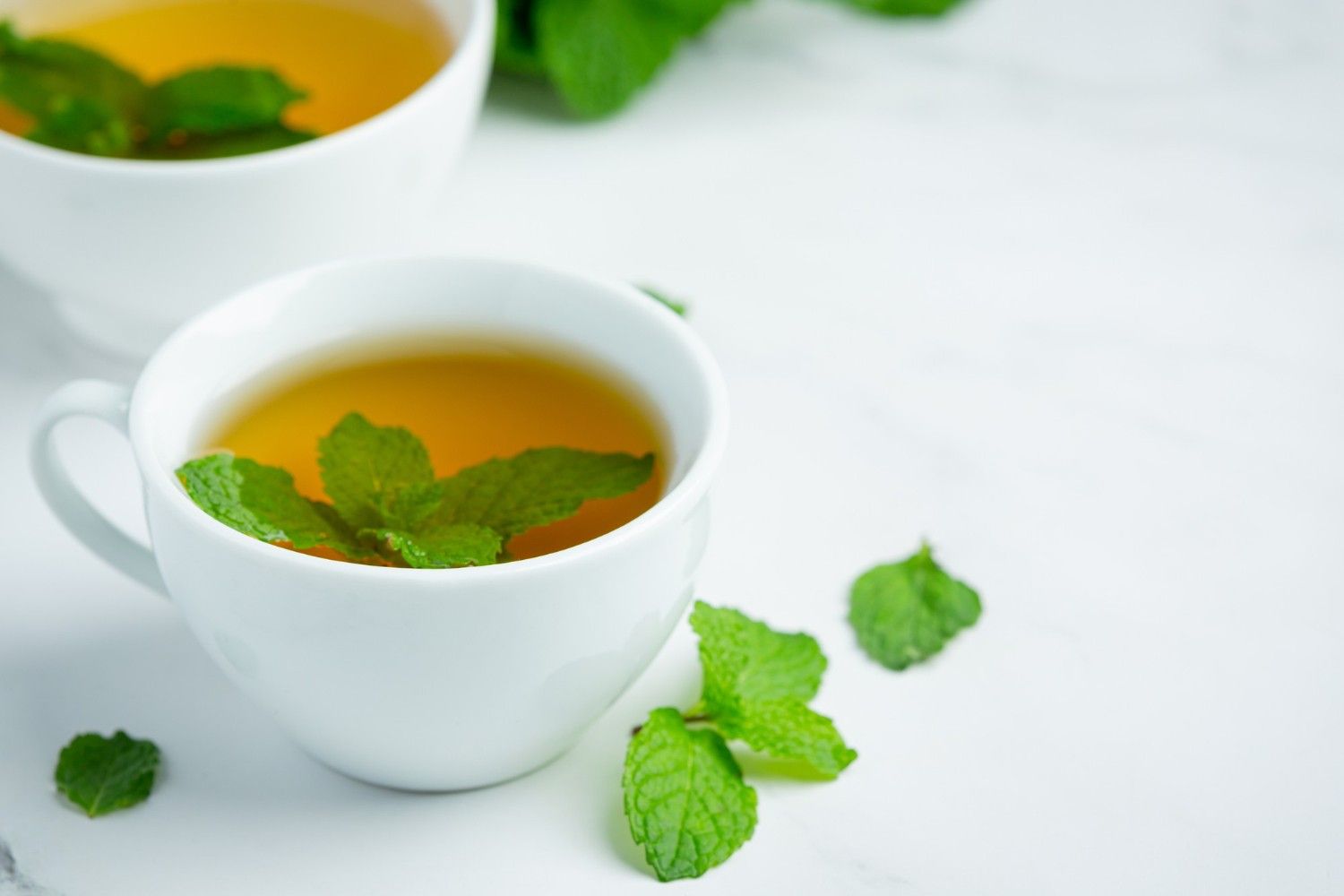
Making spearmint tea is straightforward. Start by boiling water and adding fresh or dried spearmint leaves. Let it steep for about 5-10 minutes, depending on your taste preference. You can enjoy it plain or with a splash of lemon for added flavor.
I often brew a big batch at the beginning of the week, storing it in the fridge for a refreshing iced tea option during warmer days. The aroma alone is uplifting and can act as a natural mood booster.
2. Pairing with Other Healthful Ingredients
Consider enhancing your spearmint tea with other beneficial ingredients. For instance, adding a slice of ginger may further support blood sugar control due to ginger’s own anti-diabetic properties (Mahmood et al., 2017).
In my kitchen, I’ve started experimenting with combinations—like spearmint and ginger, or even spearmint and lemon balm. Each offers a unique flavor profile and potential health benefits.
3. Mindful Drinking
Incorporate spearmint tea into your daily mindfulness routine. Take a moment to savor the aroma and flavor, allowing yourself to relax. Stress can negatively impact blood sugar levels, so this simple act of mindfulness can help create a more balanced environment for your body.
Real-Life Insights: Case Studies and Anecdotes
Case Study: Sarah’s Journey
Sarah, a friend of mine, was diagnosed with prediabetes a few years ago. After researching natural remedies, she decided to try spearmint tea as part of her lifestyle changes. Alongside a balanced diet and regular exercise, she made spearmint tea a daily ritual.
Over six months, Sarah noticed improvements not just in her blood sugar levels but also in her overall well-being. She felt more energized and less bloated. While Sarah acknowledges that her journey was multifaceted, she credits her daily cup of spearmint tea as a significant contributor to her success.
Anecdote: The Cultural Perspective
In Middle Eastern cultures, spearmint is often used not just as a flavoring agent but also as a herbal remedy. Traditionally, it’s consumed to aid digestion and manage various ailments. This cultural context adds depth to its use; it’s not merely a trendy health drink but a time-honored tradition.
I remember visiting a café in Morocco, where spearmint tea was served with fresh mint leaves and sugar. The locals believed in its refreshing and healthful properties. This personal experience reinforced my interest in the herb and its potential benefits for blood sugar management.
Counterpoints and Caveats: What to Consider
While the potential benefits of spearmint tea are compelling, it’s important to approach this with a balanced perspective. The research, while promising, is still in its early stages, particularly when it comes to human studies. Some might argue that relying solely on herbal remedies could overshadow the importance of a well-rounded approach to diabetes management, including diet and exercise.
In my own journey, I’ve learned the hard way that no single remedy can replace the need for professional medical advice and a comprehensive health plan. I always consult with healthcare providers before making significant changes to my routine.
FAQs About Spearmint Tea and Blood Sugar Control
1. Can I drink spearmint tea if I’m on medication for diabetes?
Yes, but it’s essential to consult your healthcare provider first. Spearmint tea can interact with certain medications, and your doctor can provide personalized advice.
2. How much spearmint tea should I drink daily?
While there’s no established guideline, a cup or two per day is generally considered safe. Listen to your body and adjust as needed.
3. Are there any side effects of spearmint tea?
Spearmint tea is generally safe for most people. However, excessive consumption may lead to digestive issues or allergic reactions in some individuals.
4. Can spearmint tea help with weight loss?
While it may not directly cause weight loss, spearmint tea can be a low-calorie alternative to sugary beverages, potentially supporting weight management efforts.
5. Is spearmint tea safe during pregnancy?
Pregnant individuals should consult their healthcare provider before consuming spearmint tea, as some herbal teas may not be recommended during pregnancy.
Reflecting on the Potential of Spearmint Tea
As I reflect on my exploration of spearmint tea, I’m struck by its multifaceted benefits. It’s not just about managing blood sugar; it’s about embracing a holistic approach to health. The combination of ancient wisdom and modern research creates a compelling narrative around spearmint tea as a health-promoting beverage.
While more research is needed to fully understand its impact on blood sugar control, the existing studies and anecdotal evidence offer a promising glimpse into its potential benefits. I look forward to seeing how this herbal remedy continues to evolve in the realm of natural health.
Medical Disclaimer
This article is for educational purposes only and does not replace professional medical guidance. Always speak with a qualified healthcare provider before making changes to your health routine.
References
-
Al-Yahya, M. A., et al. (2013). “Antidiabetic activity of spearmint (Mentha spicata L.) in diabetic rats.” Journal of Ethnopharmacology. Link
-
Abdel-Daim, M. M., et al. (2016). “The protective effect of spearmint (Mentha spicata) on glucose homeostasis in diabetic rats.” Journal of Diabetes Research. Link
-
Ghaly, M. F., et al. (2017). “The antidiabetic activity of spearmint (Mentha spicata) in diabetic rats.” Phytotherapy Research. Link
-
Hossain, M. M., et al. (2020). “Rosmarinic acid: A review of its beneficial effects.” Food Chemistry. Link
-
Mahmood, M. H., et al. (2017). “Ginger and its medicinal benefits.” Journal of Food Science and Technology. Link
Get Your FREE Natural Health Guide!
Subscribe now and receive our exclusive ebook packed with natural health tips, practical wellness advice, and easy lifestyle changes — delivered straight to your inbox.