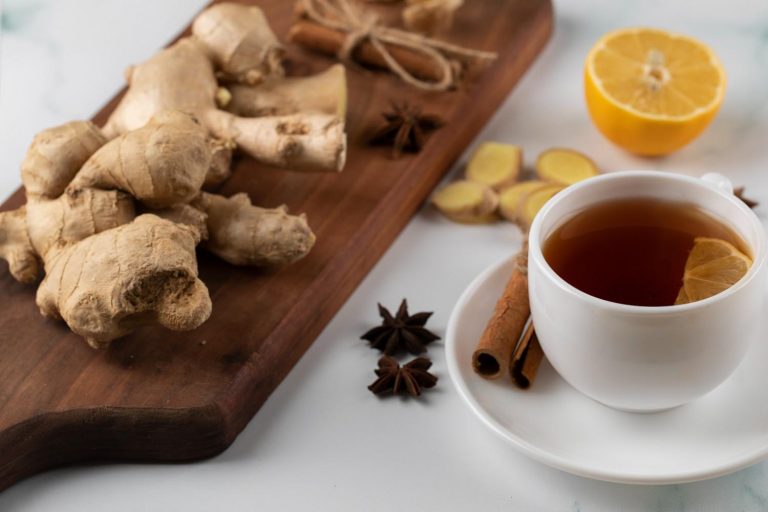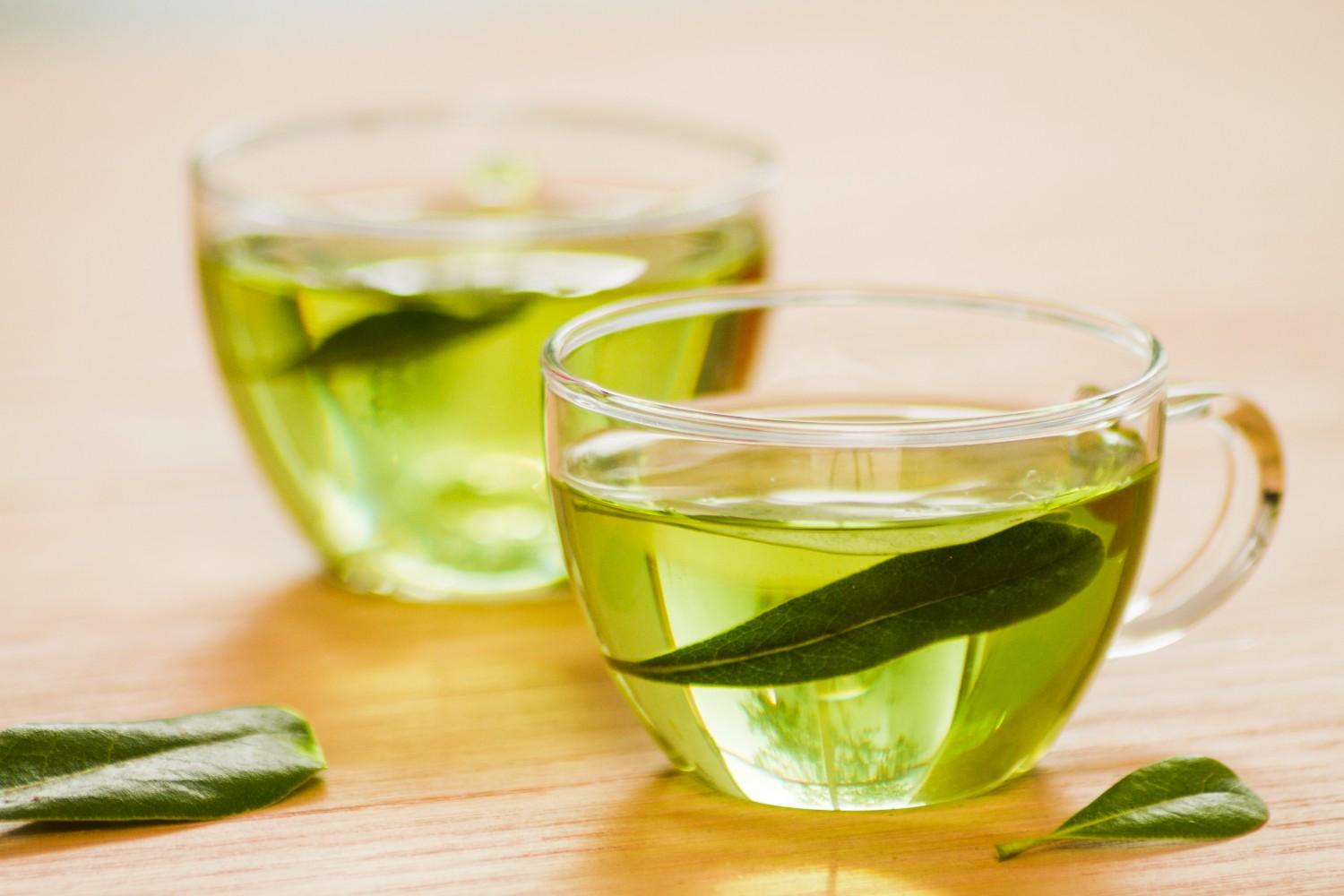

Have you ever tried a cup of moringa tea infused with ginger and lemon? If you haven’t, you might be missing out on a delightful blend that not only tantalizes the taste buds but also offers an array of health benefits. This concoction is gaining popularity, and for good reason. As someone who has spent years researching natural health remedies, I’ve discovered that this powerful trio—moringa, ginger, and lemon—can be a game-changer for your wellness routine.

Contents
The Power of Moringa
What Is Moringa?
Moringa, often referred to as the “miracle tree,” is native to parts of Africa and Asia. Its leaves, seeds, and pods are packed with nutrients. In fact, moringa leaves contain significant amounts of vitamins A, C, and E, calcium, potassium, and protein. A study published in the Journal of Food Science and Technology highlights that moringa leaves have antioxidant properties, which can help combat oxidative stress in the body (1).
Nutritional Profile
Moringa is rich in essential amino acids and contains more vitamin C than oranges and more calcium than milk. This unique nutritional profile makes it a fantastic supplement for those looking to boost their overall health. I’ve noticed that many people, including myself, use moringa as a natural energy booster, especially during the mid-afternoon slump.
Real-Life Example
Consider Sarah, a busy professional who struggled with fatigue. After incorporating moringa tea into her daily routine, she reported feeling more energetic and focused. This anecdote highlights how something as simple as a herbal tea can significantly impact one’s quality of life.
Ginger: A Spicy Health Ally
Why Ginger?
Ginger has been used for centuries in traditional medicine, particularly in Asian cultures. It’s renowned for its anti-inflammatory properties, which can aid digestion and reduce nausea. A study published in the Journal of Pain found that ginger can be effective in reducing muscle pain and soreness (2).
Digestive Benefits
One of the most notable benefits of ginger is its ability to soothe the digestive system. If you’ve ever experienced an upset stomach, ginger tea is often recommended. The warming nature of ginger can help to stimulate digestion and alleviate bloating, making it an excellent companion to moringa tea.
Personal Reflection
I remember a particularly heavy holiday meal that left me feeling sluggish. A warm cup of ginger tea afterward helped settle my stomach and invigorated me for the evening. It’s fascinating how nature provides us with remedies that are not only effective but also enjoyable.
Lemon: The Zesty Booster
Vitamin C Powerhouse
Lemon is often celebrated for its high vitamin C content, which supports the immune system. According to the American Journal of Clinical Nutrition, vitamin C is essential for the growth and repair of tissues in the body and acts as an antioxidant (3).
Flavor and Function
Adding lemon to moringa tea not only enhances the flavor but also provides an extra boost of nutrients. The acidity of lemon helps to balance the earthy taste of moringa, creating a refreshing drink that can be enjoyed hot or cold.
Cultural Context
In many cultures, lemon is used as a natural remedy for colds and flu. The combination of lemon with warm water is a common morning ritual, believed to detoxify the body and jumpstart metabolism. My grandmother always swore by her morning lemon water, claiming it kept her youthful and vibrant.
The Perfect Brew: Moringa Tea with Ginger and Lemon
How to Make It
Making moringa tea with ginger and lemon is simple and can be done in just a few steps:
-
Ingredients:
- 1 teaspoon of dried moringa leaves or 1 moringa tea bag
- 1-inch piece of fresh ginger, sliced
- Juice of half a lemon
- Honey (optional, to taste)
- 2 cups of water
-
Preparation:
- Boil the water in a pot.
- Add the sliced ginger and let it simmer for about 10 minutes.
- Remove from heat and add the moringa leaves or tea bag.
- Steep for an additional 5 minutes.
- Strain into a cup, add lemon juice, and honey if desired.
Common Mistakes
One common mistake is using too much ginger, which can overpower the delicate flavor of moringa. Another is not allowing the tea to steep long enough, which can result in a weak brew.
Personal Anecdote
When I first tried making this tea, I was overly generous with the ginger. The result was a fiery concoction that was hard to enjoy. After adjusting the ginger to a more moderate amount, I found the perfect balance. It’s all about personal preference, and experimentation can lead to delightful discoveries.
Health Benefits of Moringa Tea with Ginger and Lemon
Anti-Inflammatory Properties
Combining moringa, ginger, and lemon creates a powerhouse of anti-inflammatory benefits. Chronic inflammation is linked to various health issues, including heart disease and diabetes. Regularly consuming this tea may help reduce inflammation in the body, promoting overall health.
Immune Support
The combination of vitamin C from lemon and the antioxidant properties of moringa makes this tea a fantastic immune booster. During cold and flu season, sipping on this blend could provide the extra defense your body needs.
Weight Management
Interestingly, some studies suggest that moringa may play a role in weight management. The plant is low in calories and high in nutrients, making it an ideal addition to a balanced diet. Coupled with ginger’s metabolism-boosting properties, this tea could assist in managing belly fat naturally.
Cautionary Notes
While the benefits are compelling, it’s essential to approach any natural remedy with caution. Some individuals may experience allergic reactions to moringa or ginger. It’s always wise to consult with a healthcare professional before adding new supplements or remedies to your routine.
Research and Evidence
Studies Supporting Moringa
- A study published in Food Science and Human Wellness highlights the potential of moringa as a functional food due to its high nutritional content (4).
- Another research article in Phytotherapy Research discusses the anti-inflammatory and antioxidant properties of moringa, supporting its role in health promotion (5).
Authoritative Sources
For further reading, you can explore studies on the National Institutes of Health (NIH) and the Harvard Health Blog, which provide insights into the benefits of herbal teas and their components.
FAQs
-
Can I drink moringa tea daily?
Yes, many people enjoy moringa tea daily. However, moderation is key, as excessive amounts may lead to potential side effects. -
Is moringa tea safe during pregnancy?
Pregnant individuals should consult their healthcare provider before consuming moringa tea, as its effects during pregnancy are not well-studied. -
What are the side effects of moringa?
Some people may experience digestive upset or allergic reactions. Always start with small amounts to assess your tolerance. -
Can I add other ingredients to this tea?
Absolutely! Many people enjoy adding turmeric, honey, or other herbs to enhance flavor and benefits. -
How does moringa tea compare to other herbal teas?
Moringa tea is unique due to its high nutrient density. While other herbal teas offer various benefits, moringa stands out for its comprehensive nutritional profile.
A Reflective Conclusion
Moringa tea with ginger and lemon is not just a drink; it’s a holistic approach to wellness. It’s a blend steeped in cultural traditions and backed by science, offering a delicious way to nourish the body. As I continue to explore the world of natural remedies, I find that simple ingredients often hold the most profound health benefits.
Whether you’re looking to enhance your immune system, manage weight, or simply enjoy a flavorful beverage, this tea is worth incorporating into your routine. With each sip, you might just find a little more vitality and a lot more flavor in your life.
Disclaimer: This article is for educational purposes only and does not replace professional medical guidance. Always speak with a qualified healthcare provider before making changes to your health routine.
References
- Journal of Food Science and Technology. “Nutritional and Medicinal Properties of Moringa.” Link
- Journal of Pain. “Ginger for Muscle Pain.” Link
- American Journal of Clinical Nutrition. “Vitamin C and Immune Function.” Link
- Food Science and Human Wellness. “Moringa: A functional food.” Link
- Phytotherapy Research. “Anti-inflammatory properties of Moringa.” Link
Get Your FREE Natural Health Guide!
Subscribe now and receive our exclusive ebook packed with natural health tips, practical wellness advice, and easy lifestyle changes, delivered straight to your inbox.