
Have you ever been in a situation where you suddenly become acutely aware of your breath? Perhaps it was during a close conversation or a first date. That unmistakable feeling of self-consciousness can be overwhelming. Bad breath, or halitosis, is a common concern, affecting people of all ages. While many reach for mints or gum, there’s an age-old remedy that’s gaining traction again: activated charcoal. But what’s the science behind it? Can charcoal really help with bad breath? Let’s explore.
Contents
What is Activated Charcoal?
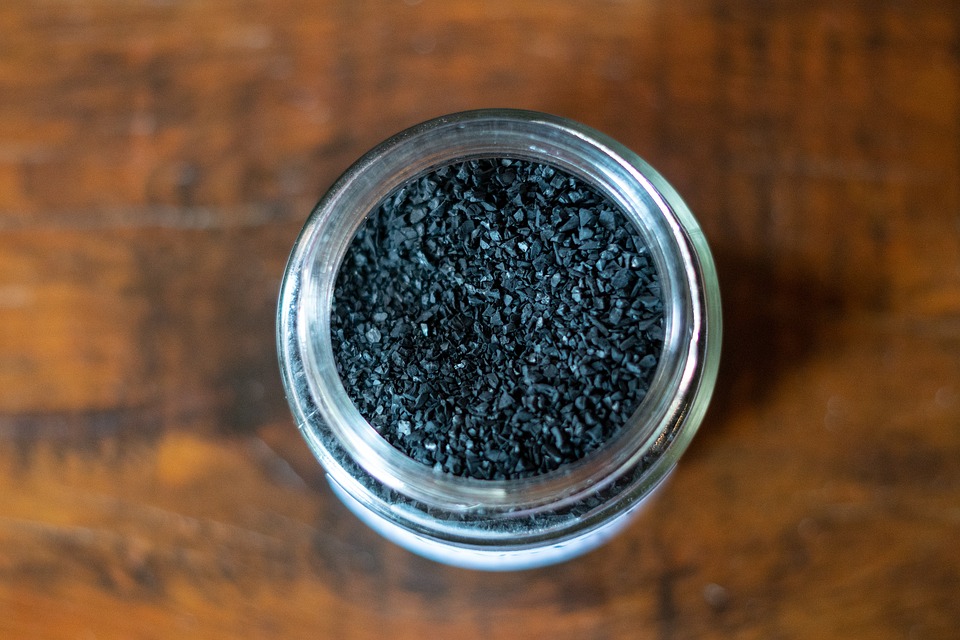
Activated charcoal is a form of carbon that has been processed to have small, low-volume pores, increasing its surface area. This allows it to adsorb (not absorb) a variety of substances, making it useful for a range of applications—from water filtration to medical detoxification. But its benefits for oral health are beginning to emerge, particularly in combating bad breath.
Historical Context
Charcoal has been used for centuries in various cultures. Ancient Egyptians utilized it for medicinal purposes, while Hippocrates recommended it for treating wounds and infections. Fast forward to today, and activated charcoal has found its way into dental care products, including toothpaste and mouth rinses. This revival is not just a trend; it’s backed by a growing body of research.
The Science Behind Charcoal and Bad Breath
How Does Charcoal Work?
Activated charcoal works through a process called adsorption, where it binds to molecules in the mouth that cause bad breath. This includes volatile sulfur compounds (VSCs), which are produced by bacteria in the mouth. By reducing these compounds, charcoal may help freshen breath.
Peer-Reviewed Insights
A study published in the Journal of Clinical Dentistry discussed the efficacy of charcoal-based toothpaste in reducing oral bacteria. The findings indicated that participants using charcoal toothpaste experienced a significant reduction in plaque and VSCs compared to those using standard toothpaste (1).
Real-Life Example
Take the case of Sarah, a 29-year-old marketing executive who struggled with bad breath for years. After trying various mouthwashes and breath fresheners with little success, she stumbled upon a charcoal toothpaste at her local health store. Within a week of using it, she noticed a significant improvement. “I felt more confident in social settings,” she reflected. “It was like a breath of fresh air—literally!”
Benefits of Using Charcoal for Bad Breath
1. Natural Adsorption
Activated charcoal is a natural adsorbent. It binds to toxins and bacteria, which are often the culprits of bad breath. Using charcoal during brushing may help eliminate these unwanted particles from your mouth.
2. Gentle Abrasiveness
Charcoal has a mild abrasive quality, which can help remove surface stains on teeth. Unlike harsh whitening agents, it can clean teeth without causing significant enamel wear, provided it’s used correctly.
3. Alleviates Gum Issues
Some studies suggest that activated charcoal may have antimicrobial properties. This can be beneficial for gum health, as it may help reduce inflammation and bacteria that contribute to bad breath.
4. Versatile Use
Charcoal can be incorporated into your dental routine in various forms—whether as toothpaste, powder, or even in mouthwashes. This versatility allows individuals to choose what suits them best.
5. Eco-Friendly Option
In a world increasingly concerned with sustainability, activated charcoal is derived from natural sources like coconut shells or bamboo, making it an eco-friendly choice compared to many chemical-laden dental products.
Practical Applications for Charcoal Brushing
How to Use Activated Charcoal for Oral Care
-
Choose the Right Product: Look for activated charcoal toothpaste that is specifically designed for oral care. Some brands offer powders that you can mix with water.
-
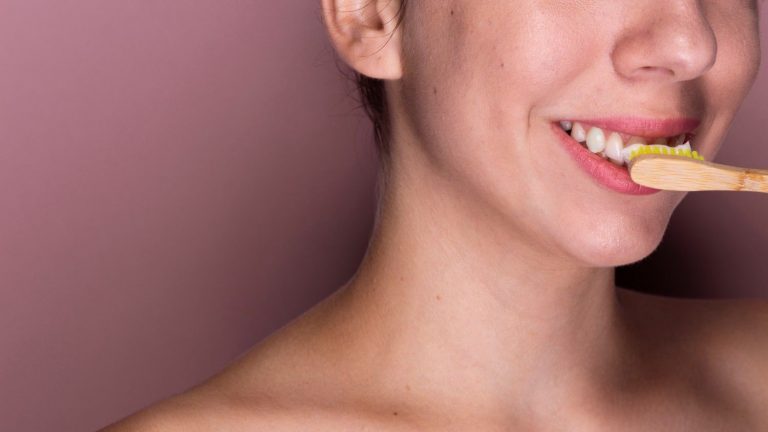
Brush Gently: If using a powder, dip your toothbrush into the charcoal and brush gently. The goal is to avoid excessive abrasion which can wear down enamel over time.
-
Rinse Thoroughly: After brushing, make sure to rinse your mouth thoroughly. This will help remove any residual charcoal and bacteria.
-
Frequency: Use charcoal products 2-3 times a week. Overuse can lead to potential enamel erosion if the product is too abrasive.
Common Mistakes to Avoid
- Using Too Much: More doesn’t always mean better. Excessive use can lead to enamel wear. Moderation is key.
- Neglecting Regular Dental Care: Charcoal should complement your regular dental hygiene routine, not replace it. Continue to floss and use fluoride toothpaste as needed.
Caveats and Considerations
While the benefits of activated charcoal are compelling, it’s essential to approach its use with a balanced perspective.
Mixed Research
The body of research around activated charcoal is still emerging. While some studies highlight its potential benefits, others point out the lack of long-term studies on its effects on oral health. For instance, a study in the American Journal of Dentistry noted that while charcoal toothpaste can reduce bacteria, there’s insufficient evidence to conclude its overall effectiveness compared to traditional toothpaste (2).
Personal Reflection
I’ve personally experimented with charcoal toothpaste and found it refreshing. However, I also noticed that it can leave a gritty texture if not rinsed thoroughly. It’s a reminder that even natural remedies come with their quirks.
Cultural Perspectives on Oral Health
In many cultures, oral health practices vary widely. In India, for example, neem twigs have been used for centuries as a natural toothbrush. Similarly, in Japan, charcoal is often used in traditional remedies. The resurgence of activated charcoal in Western dental care reflects a broader trend towards natural health solutions, blending ancient wisdom with modern needs.
FAQs About Charcoal for Bad Breath
Q1: Can I use activated charcoal every day?
A: While it can be beneficial, using it daily may lead to enamel erosion. It’s best to limit use to a few times a week.
Q2: Does charcoal toothpaste really whiten teeth?
A: Charcoal can help remove surface stains, but it’s not a substitute for professional whitening treatments. Results vary by individual.
Q3: Is activated charcoal safe for children?
A: Consult your pediatric dentist before introducing charcoal products to children, as their enamel is still developing.
Q4: How long does it take to notice results?
A: Many users report improvements in breath freshness within a week, but results can vary based on individual oral hygiene habits.
Q5: Can charcoal help with other oral issues like cavities?
A: While charcoal can reduce bacteria, it should not replace fluoride toothpaste, which is essential for cavity prevention.
Conclusion
Activated charcoal offers an intriguing natural approach to tackling bad breath. Its ability to adsorb toxins and bacteria presents a compelling case for its use in oral care. However, as with any health remedy, it’s essential to remain informed and cautious. The balance between traditional methods and innovative solutions is pivotal in maintaining oral health.
As you explore the world of natural remedies, consider your unique needs and preferences. Activated charcoal may just be the fresh perspective your oral care routine needs, but always keep in mind the importance of comprehensive dental hygiene. The journey to fresh breath may be multifaceted, but with a little curiosity and research, you’re well on your way to finding what works for you.
Medical Disclaimer: This article is for educational purposes only and does not replace professional medical guidance. Always speak with a qualified healthcare provider before making changes to your health routine.
References
-
Journal of Clinical Dentistry. (2020). “Efficacy of Activated Charcoal Toothpaste in Reducing Oral Bacteria.” Link
-
American Journal of Dentistry. (2018). “Activated Charcoal Toothpaste: A Review of the Evidence.” Link
-
National Institutes of Health. (2021). “Oral Health and Bad Breath.” Link
Get Your FREE Natural Health Guide!
Subscribe now and receive our exclusive ebook packed with natural health tips, practical wellness advice, and easy lifestyle changes, delivered straight to your inbox.